適格販売により収入を得る場合があります。
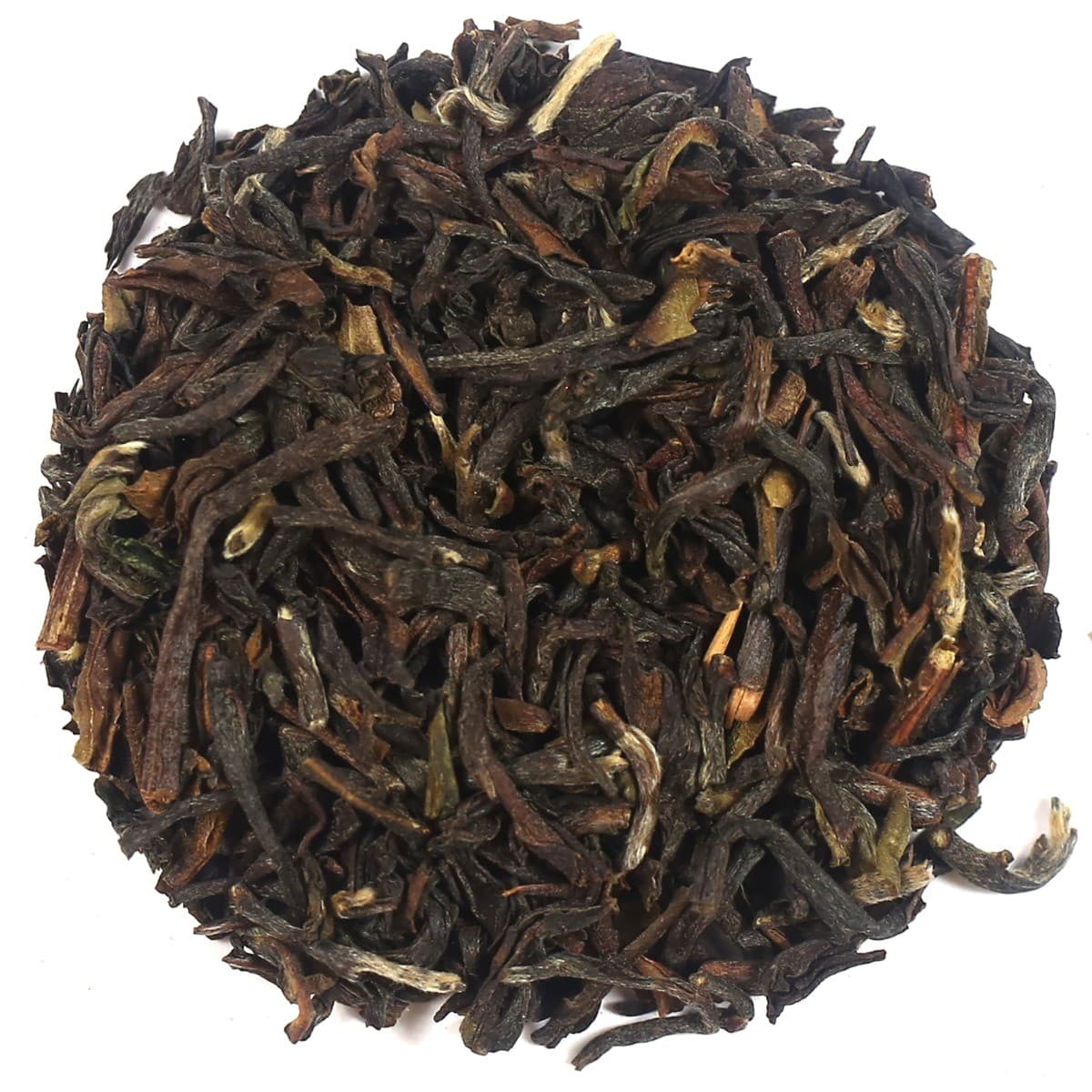
A tea from Shree Antu, in Nepal's Ilam district, a hilly stretch east of the country known for growing some of its best leaf. The garden sits close enough to Darjeeling that the cup shows a family resemblance — muscatel notes running through it, alongside lemon and honey, with the option of milk if that's how you take it. Expect a large, loosely rolled leaf flecked with pale green tips, and a coppery, light-toned liquor once it's brewed. Nepal's tea industry is younger than people often assume: production started in 1863, but political instability kept it small for decades, and it only really grew after the democratic movement of the 1950s opened things up. Altitude, monsoon rain, steep slopes and well-drained soil around Shree Antu all show up in the cup, which is why the region has built a reputation alongside its better-known Darjeeling neighbour. In Nepal itself, tea is often an everyday habit rather than an occasion — a hot cup to start the morning against the Himalayan chill, repeated later in the day. This is a first flush, which means an early-season pick, and it carries the caffeine load typical of black tea — enough to make it a reasonable choice first thing in the day. Steep it in freshly boiled water for three to five minutes. Black is the traditional way to drink it, though there's nothing wrong with adding milk, sugar, honey or a twist of lemon if you prefer.