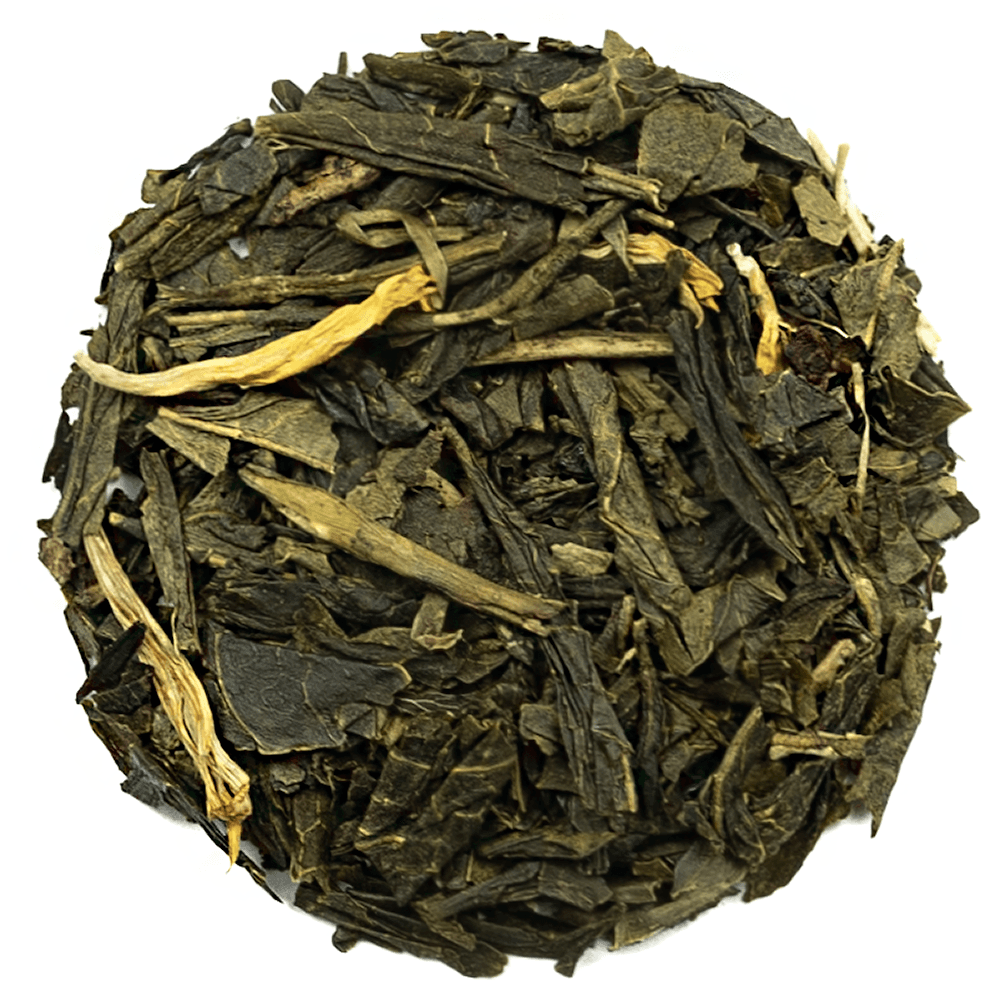
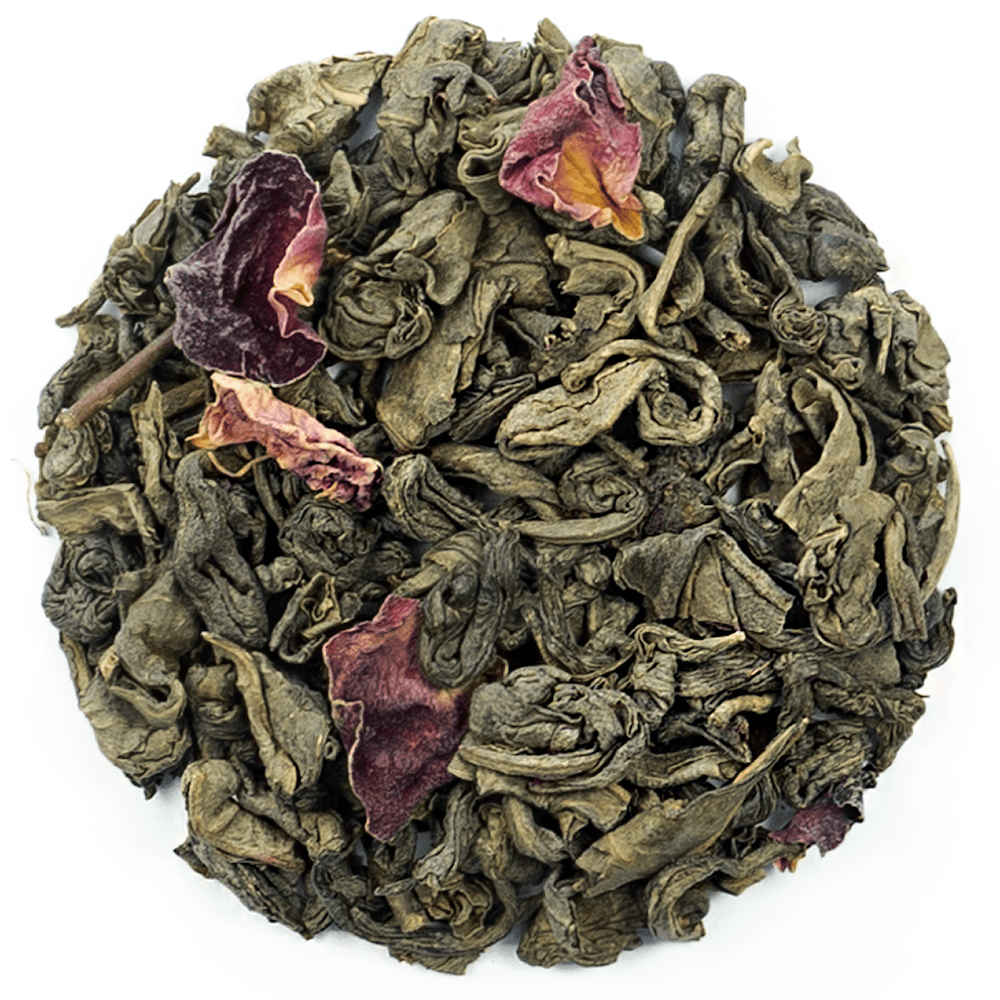
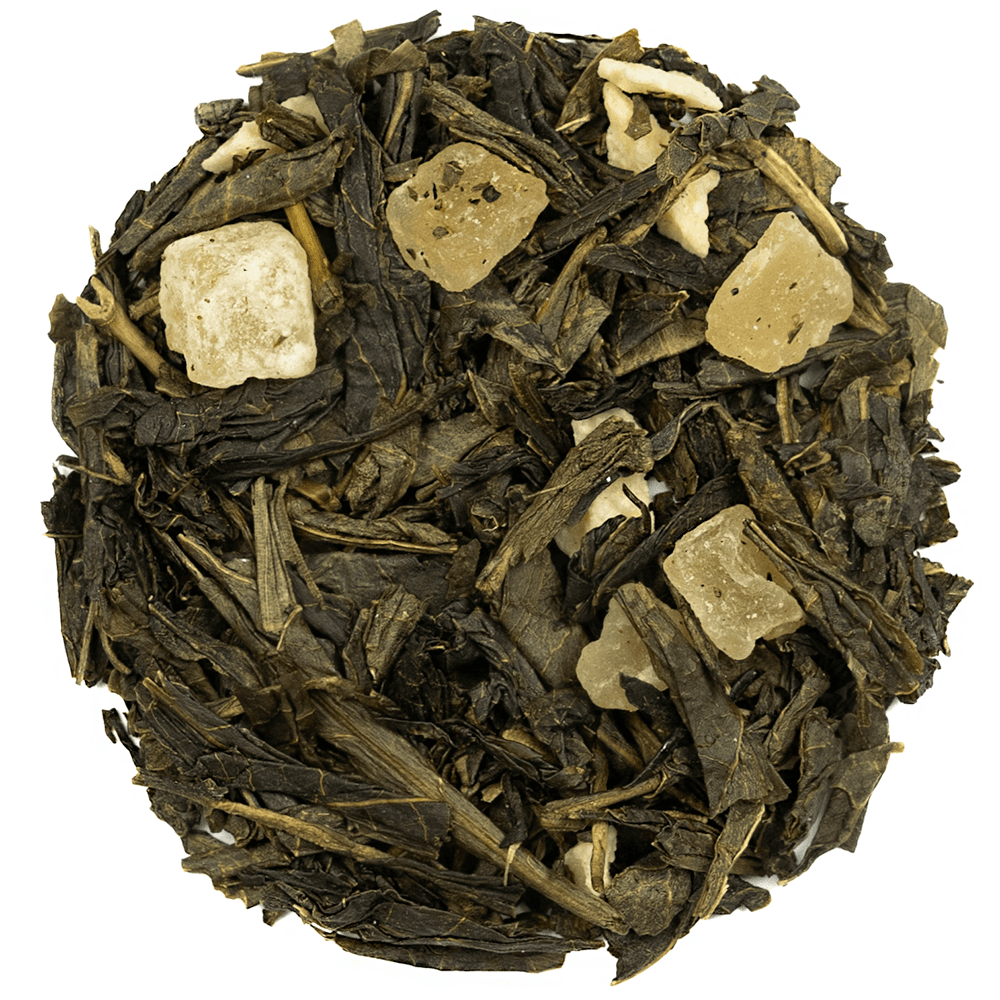
Grassy and smooth, with a clean vegetal edge and a finish that stays refreshing rather than heavy — that's the character of this Chinese green tea, grown and processed under organic methods that skip synthetic fertilisers, herbicides and pesticides. The leaves are often likened to Sencha in style, and their light body suits mornings or a mid-afternoon lift rather than an evening wind-down.
Organic certification here is not a single stamp. The tea is first certified in China, where it is grown, then checked and certified again once it enters the EU, under regulations that apply uniformly across the bloc. Any batch that fails inspection is sealed and sent back rather than sold. The Kent and Sussex Tea and Coffee Company sources its stock only from tea that has cleared both checks, and packs it fresh to order.
A cup carries a modest caffeine load, roughly 30 milligrams per 8-ounce serving, noticeably gentler than coffee: enough for a mild lift without the jitteriness of a stronger brew. Alongside the caffeine sits L-theanine, an amino acid some drinkers find takes the edge off the alertness, making for a steadier kind of focus rather than a spike.
The leaf also carries a broad spread of naturally occurring compounds: vitamins A, B, C and D, the catechin EGCG, manganese, potassium and zinc among them. None of this makes the tea medicine, but green tea has long been drunk for its polyphenols, and some research points to EGCG supporting healthy cholesterol and easing oxidative stress, to a mild astringency that's traditionally considered soothing after a meal, and to antioxidants linked with skin resilience. Traditional use also credits it with a gentle assist to metabolism when paired with regular exercise.
To brew it, use one teaspoon of leaf per cup and water cooled to around 80 to 90 degrees Celsius rather than a full boil, which keeps bitterness from creeping in. Steep for one to three minutes depending on how strong you like it, and drink it black. A slice of lemon or a little honey suits it better than milk.