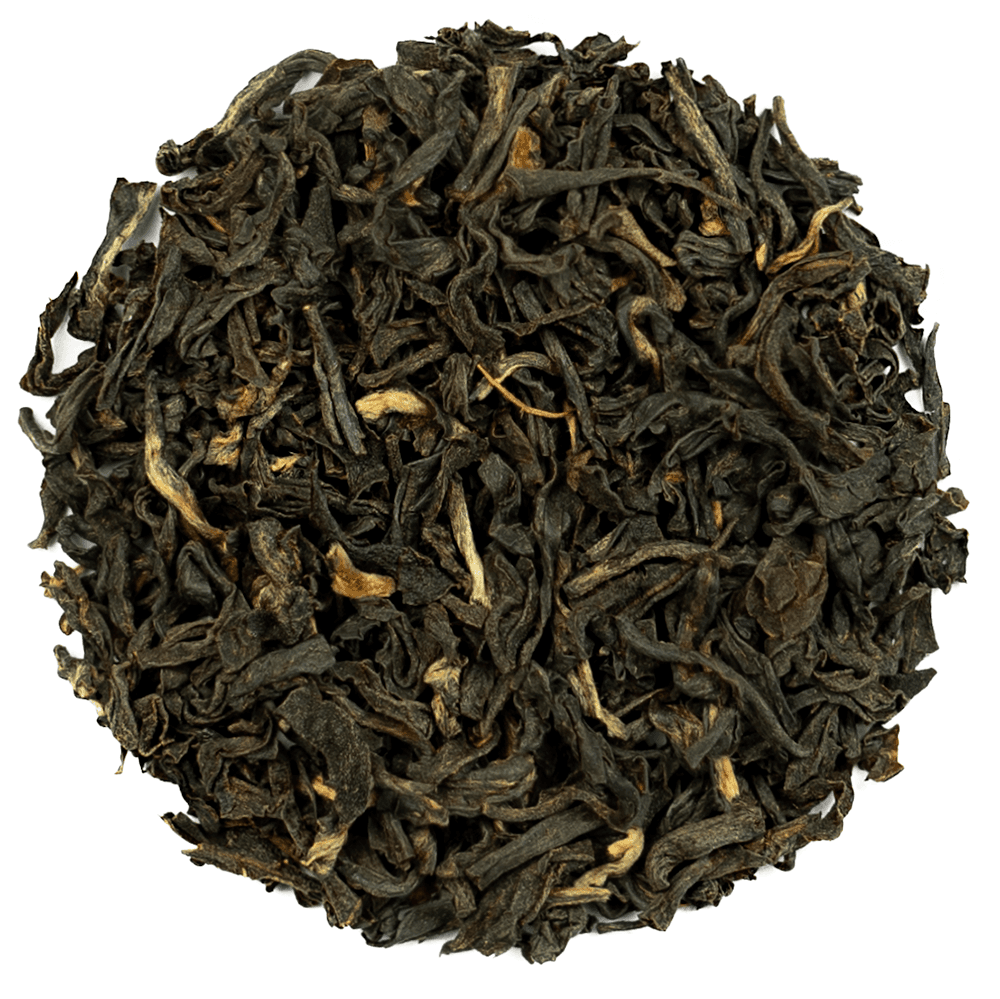
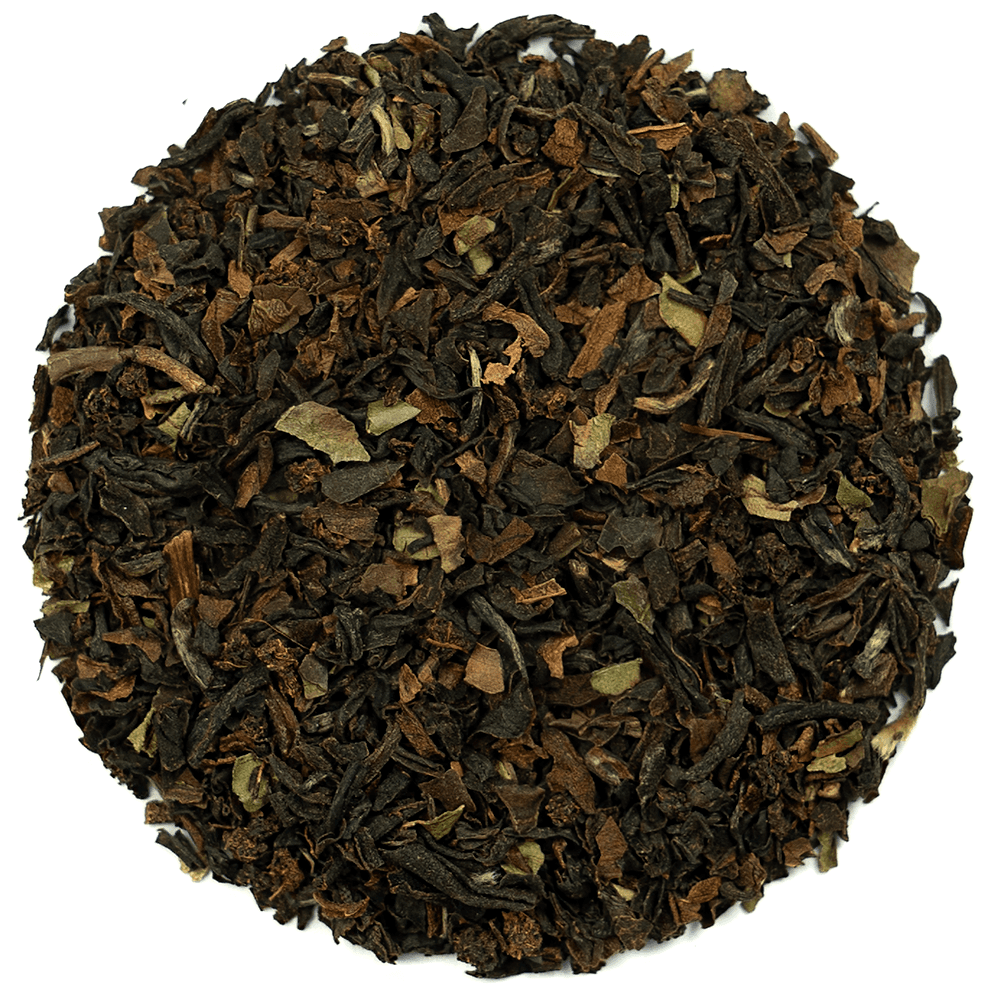
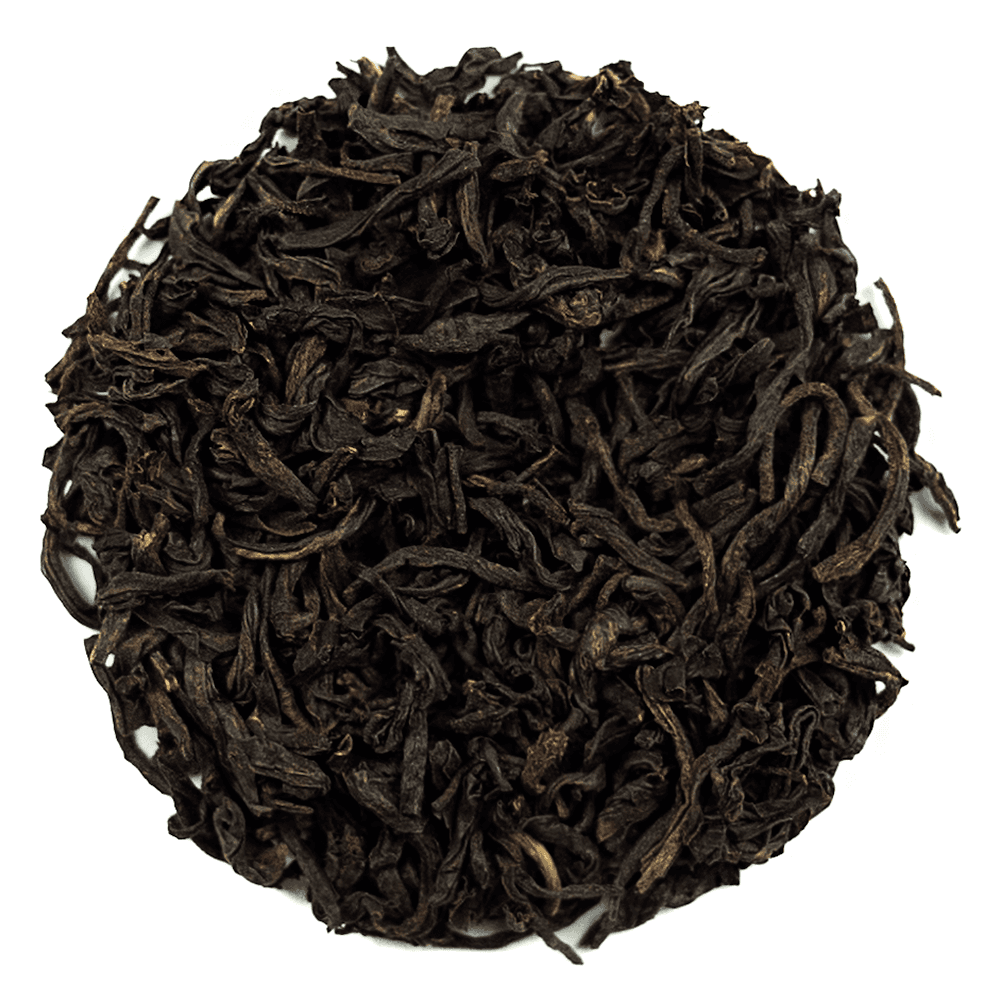
Brew a cup of this Ceylon Orange Pekoe and you get a deep red liquor with a fine aroma and a smooth, mild character — notes of lemon and orange sit alongside honey sweetness, and it takes milk well without turning heavy. The leaves are long, wiry and dark, grown at the Pettiagalla Tea Estate near Balangoda, in Sri Lanka's Ratnapura District, Sabaragamuwa Province. Bushes there grow at altitudes between 1,670 and 3,600 feet, and that range of elevation is part of what shapes the character you taste in the finished cup.
Orange Pekoe causes some confusion, since people assume it names a type of tea. In fact it's a leaf grade, meaning the leaves are larger than FOP (Flowery Orange Pekoe), a common grading for Ceylon teas. So when a cafe or restaurant serves something billed simply as "Orange Pekoe Tea," this is often close to what actually ends up in the cup.
Tea & Coffee packs this tea fresh to order at its factory in Pluckley, in the Kent countryside, as a way of keeping quality consistent from batch to batch. An 8-oz cup carries around 45mg of caffeine. Black tea has long been associated with supporting the immune system, largely credited to compounds like alkylamine and tannins, with tannins traditionally thought to help the body resist viruses such as influenza. Black tea's antibacterial properties and its polyphenols are traditionally linked to warding off common colds, though these should be read as traditional associations rather than established medical claims.
To brew, add the leaves to a filter or infuser, pour over freshly boiled water, and steep for three to five minutes. Serve it with milk (dairy or non-dairy), sugar, honey, or lemon, or drink it black. It works as a warming cup in cooler months and just as well cold, over ice.