Teatico
Herbal Tea

Hibiscus Flower Tea

United States
593
teas
Buy this tea
2 offers
Best pick
Tea & Coffee
£3.08Unit: Product Weight: 100g / 3.5oz | 125g / 4…
View
Amazon
Marketplace
Price variesSearch results on Amazon
View
Offers may change. Prices shown are the latest we’ve seen.

We may earn a commission from qualifying purchases.

Steep time
5–10 min
Recommended
Steeps
1
Recommended
Water temp
100°C
Adjust to taste
Leaf ratio
Oxidation
Caffeine
none
Typical
Highlighted notes

No notes yet.

Overview
Tip: start at ~95°C, then adjust down 3–5°C if it turns sharp.

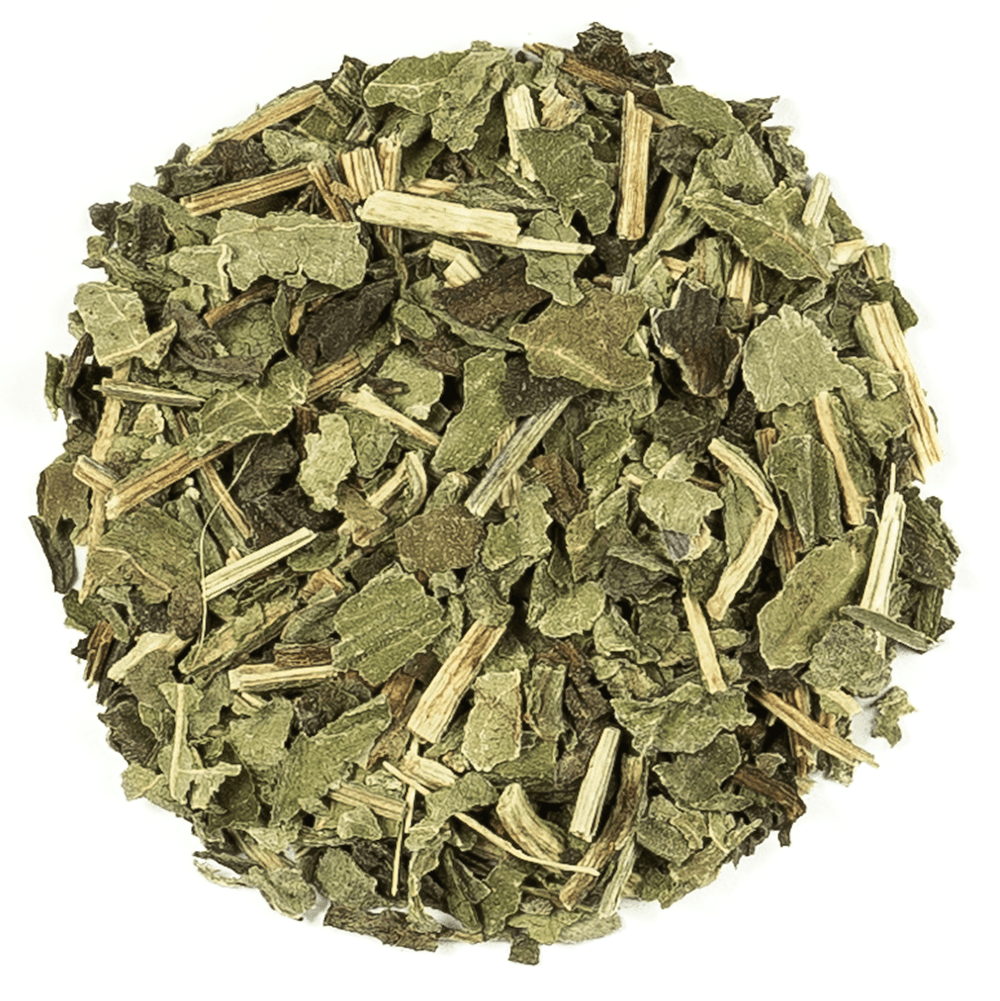
This is the best Hibiscus Flower Tea . Known for its tart flavour considered reminiscent of cranberries or pomegranates, it is a Herbal Tea that has become increasingly popular in recent years. The primary reason is that drinking it for high blood pressure can help reduce levels. Whether you’re here for its taste or health benefits, you’ll find it to be of the utmost quality and consistency. Hibiscus Flower Tea Origins and History There are around three hundred species of hibiscus within the Malvaceae family, but it is the sabdariffa variety that is most commonly used in herbal teas. The plant has long held cultural and ceremonial significance. In Hindu tradition, the flower is associated with the goddess Kali, while in Hawaiian custom, it is worn behind the ear to signify relationship status. Though traditionally consumed in African regions as a cooling drink, hibiscus tea has become popular worldwide for its distinctive tartness and striking appearance. It is also the national flower of Malaysia and the state flower of Hawaii, reflecting its deep-rooted cultural importance. How to Make Hibiscus Flower Tea To enjoy a full-flavoured cup of Hibiscus Flower Tea: Add one heaped teaspoon of dried hibiscus petals to a tea filter or infuser. Place it into your mug or teapot. Pour over freshly boiled water (100°C). Steep for five to ten minutes depending on preferred strength. Serving suggestion: Enjoy plain or add a slice of lemon or a drizzle of honey for extra brightness. What Does Hibiscus Flower Tea Taste Like This infusion delivers a bold, fruity flavour with a natural tartness. The taste is crisp and refreshing, offering a tangy profile that lingers on the palate. It can be enjoyed hot for a soothing moment or served cold as a bright and cooling drink. Hibiscus Flower Tea Caffeine Content Hibiscus Flower Tea is naturally caffeine-free, making it an ideal choice for those avoiding stimulants. Unlike Yerba Mate, most herbal teas contain no caffeine. For a stronger lift, consider switching to Black Tea or Roast Coffee. Health Benefits of Hibiscus Flower Tea Hibiscus Flower Tea offers a wealth of natural compounds that support wellness. Rich in Vitamins A, B1, B2, B9, and C, as well as Magnesium, Calcium, Iron, and Potassium, it provides gentle support for the heart, skin, metabolism, and more. Supports healthy blood pressure Hibiscus is best known for helping to manage blood pressure. A 2010 study in the Journal of Nutrition showed that six weeks of daily intake significantly reduced systolic levels in adults with mild hypertension. Weight and metabolism support Low in calories and free from sugar, it makes an excellent alternative to soft drinks. A 2014 study found reductions in body fat, BMI, and waist-to-hip ratio among hibiscus drinkers. Rich in antioxidants High levels of anthocyanins and vitamin C help neutralise free radicals, reduce oxidative stress, and may protect against signs of premature ageing. Mild anti-inflammatory effects Hibiscus contains natural compounds that may help calm minor inflammation and support immune function. Liver and cholesterol support Some research suggests hibiscus may aid liver health and help manage LDL cholesterol, though further evidence is needed. While generally well-tolerated, it’s best enjoyed in moderation. Those with medical conditions or on medication should consult their doctor before use. Hibiscus Flower Tea and Pregnancy Due to the herb’s potential hormonal effects, hibiscus is not recommended during pregnancy. Some studies suggest possible associations with delayed puberty in children if consumed in large amounts during gestation. We advise expecting mothers to consult their healthcare provider before consuming this tea.
Reviews

No ratings yet · 0 reviews
5
4
3
2
1
Overall score 0.0 out of 5
Aroma
0.0
Flavor
0.0
Aftertaste
0.0
No reviews yet

Be the first to write a review