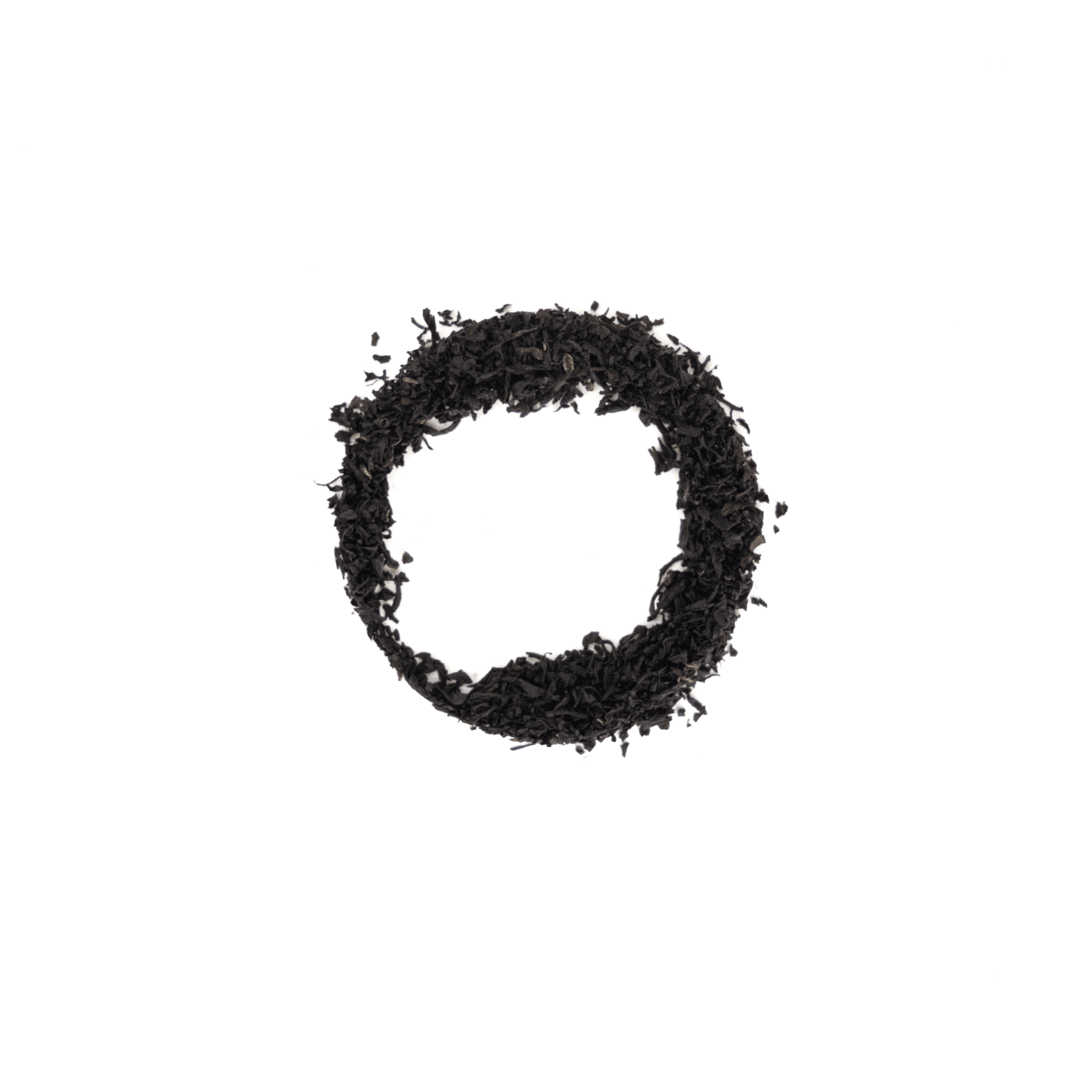
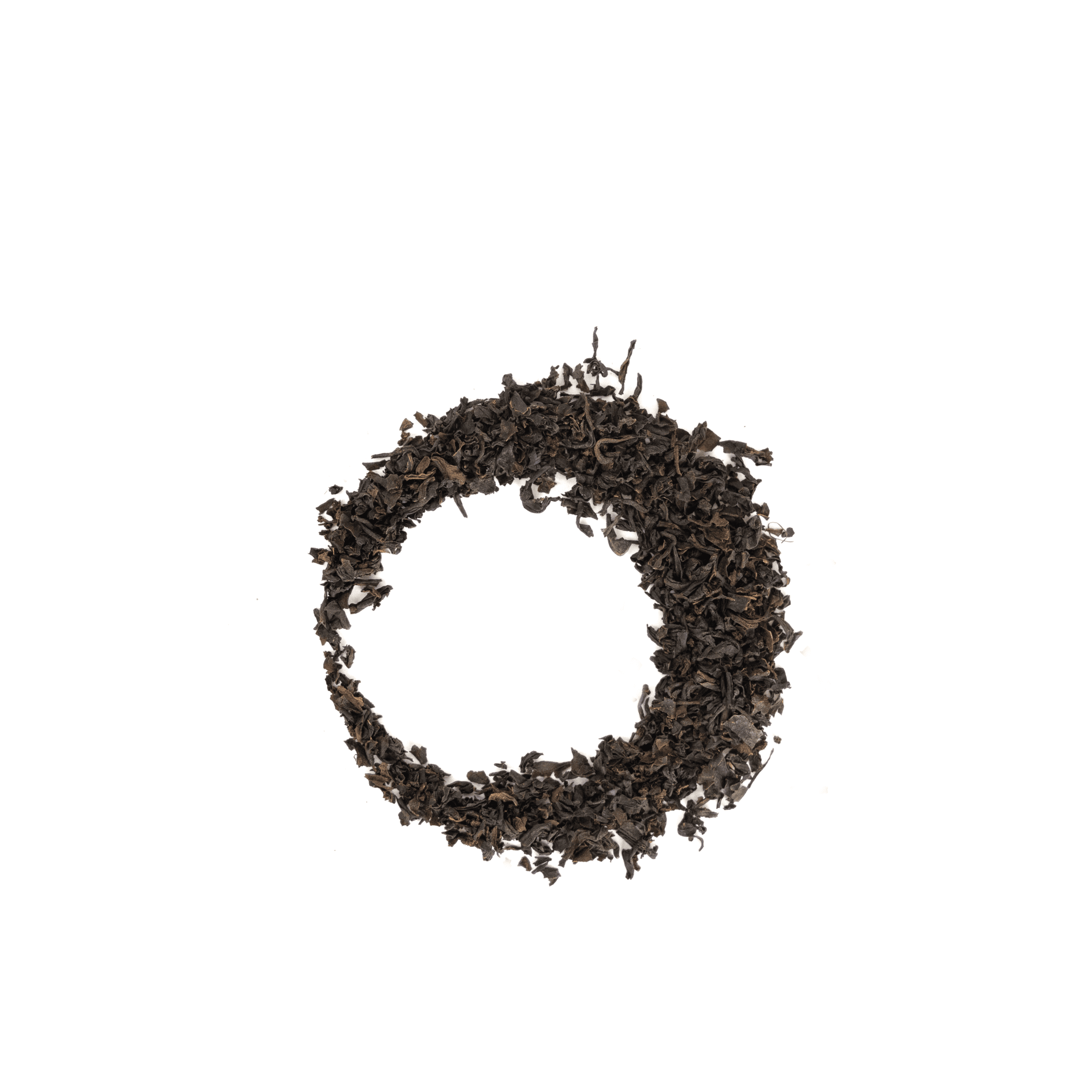
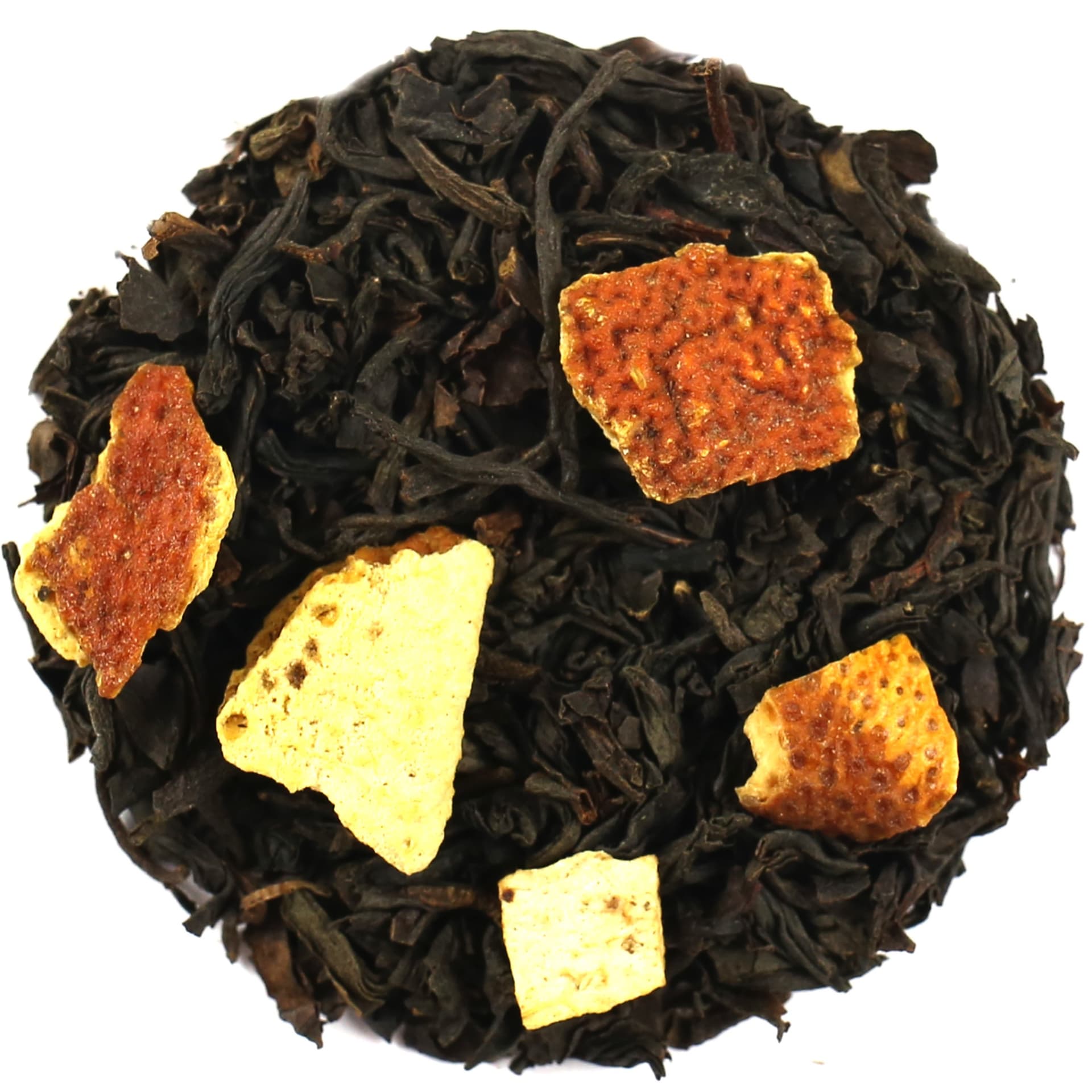
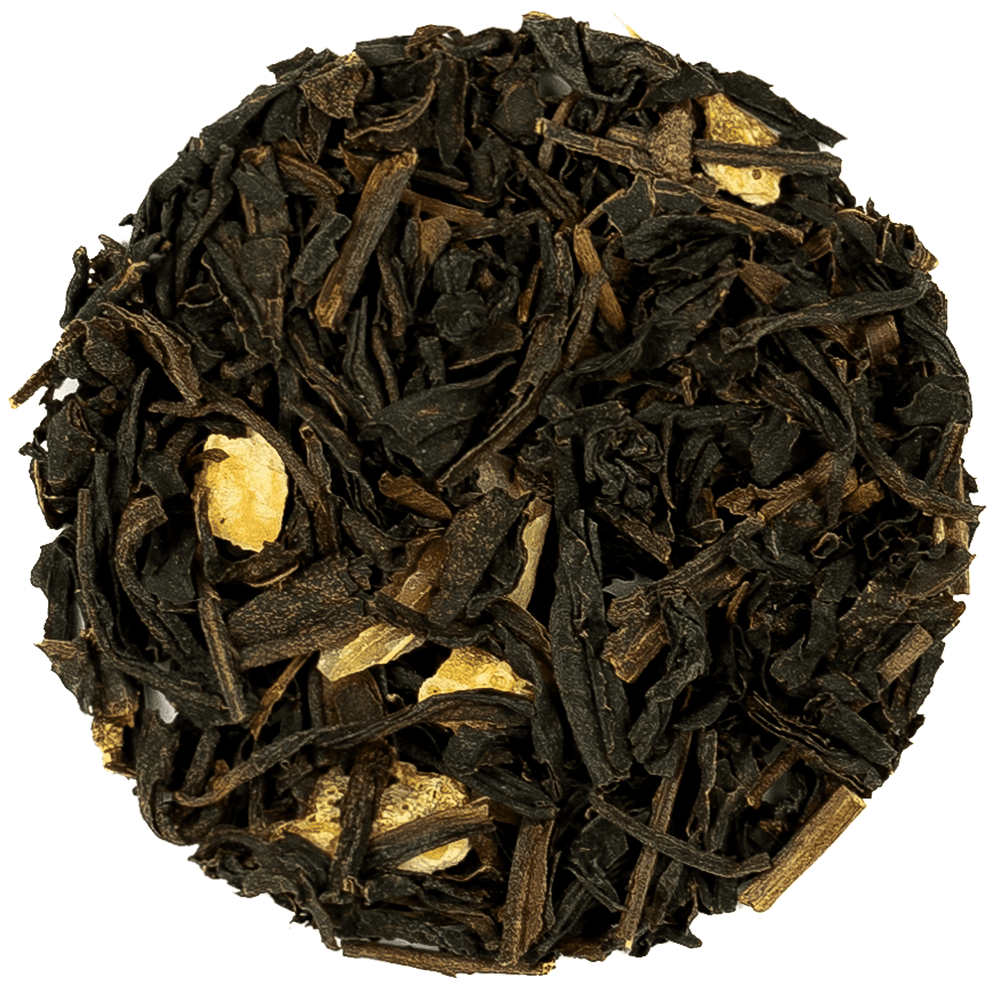
Cornflowers scattered through the leaf are mostly there for the eye rather than the cup, but the real work in this blend is bergamot oil layered over Chinese black tea, with Sri Lankan leaf rounding out the base. Steep it and the liquor turns coppery and light in tone, carrying citrus and lemon up front, sweetened by honey, with malt and something close to coffee sitting underneath and a milky roundness that keeps the bergamot from turning sharp.
The name comes attached to a legend that doesn't really hold up. The story credits Charles Grey, the 2nd Earl Grey, with saving a boy from drowning while on a diplomatic mission to China, after which the boy's grateful father gifted him black tea leaves scented with bergamot oil, which in time took the Earl's name. It's a good story, but the 19th-century prime minister never actually made that trip to China, so the tale is generally treated as myth. Where Earl Grey tea really comes from is still an open question, and probably always will be.
Black tea more broadly has long been credited with aiding digestion, supporting alertness, and keeping the immune system in working order, among other traditional claims passed down over generations. None of that is well established, and it's more folklore than a reason to reach for this particular blend over any other Earl Grey.
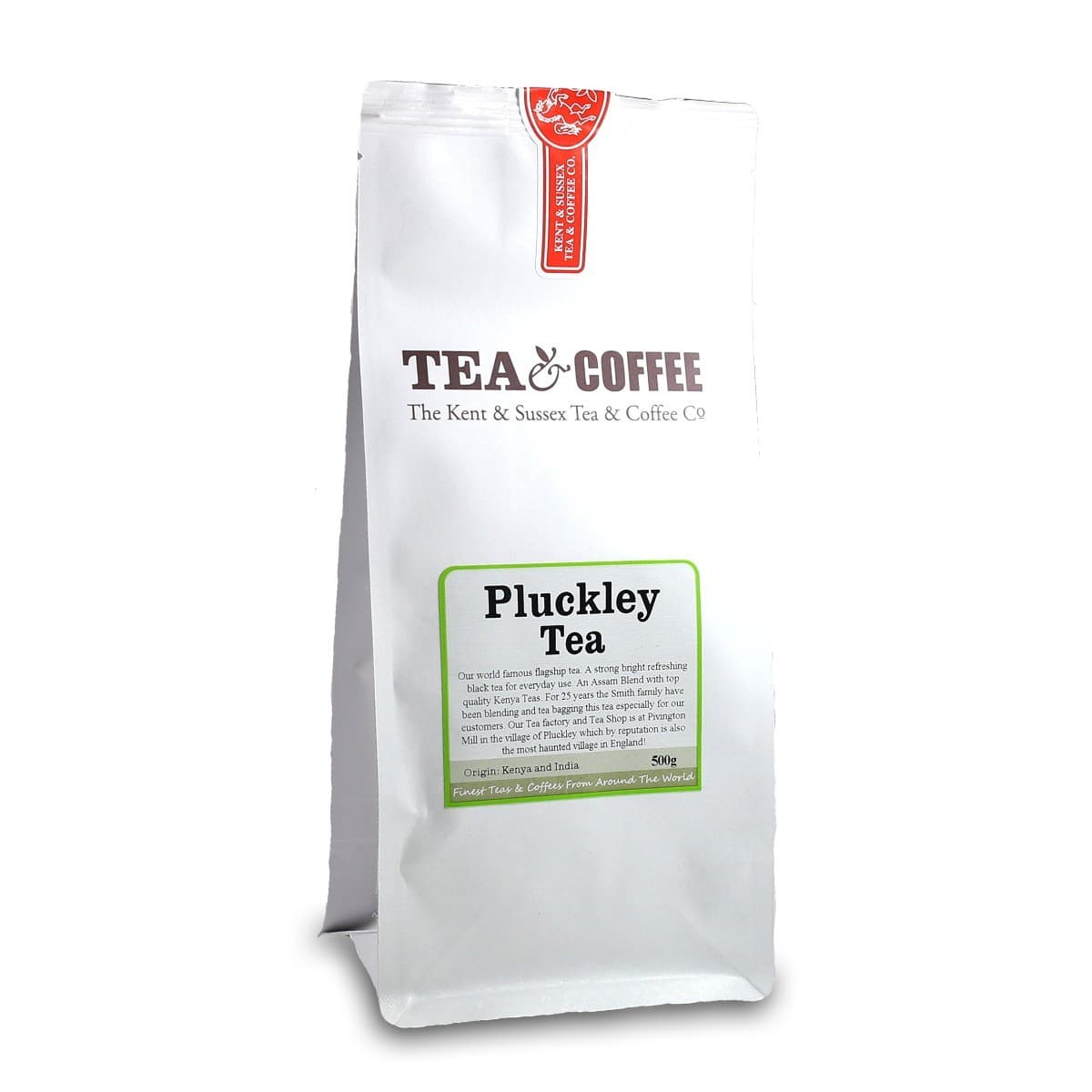
To brew it, use freshly boiled water and steep for three to five minutes. Serve it with milk or a milk alternative, sweetened with sugar or honey, or brightened with a squeeze of lemon, or simply drink it black and let the bergamot and malt carry the cup on their own. Kent and Sussex Tea and Coffee Company packs this one fresh to order rather than holding stock, worth knowing if you care about how recently your tea was actually put in the bag.