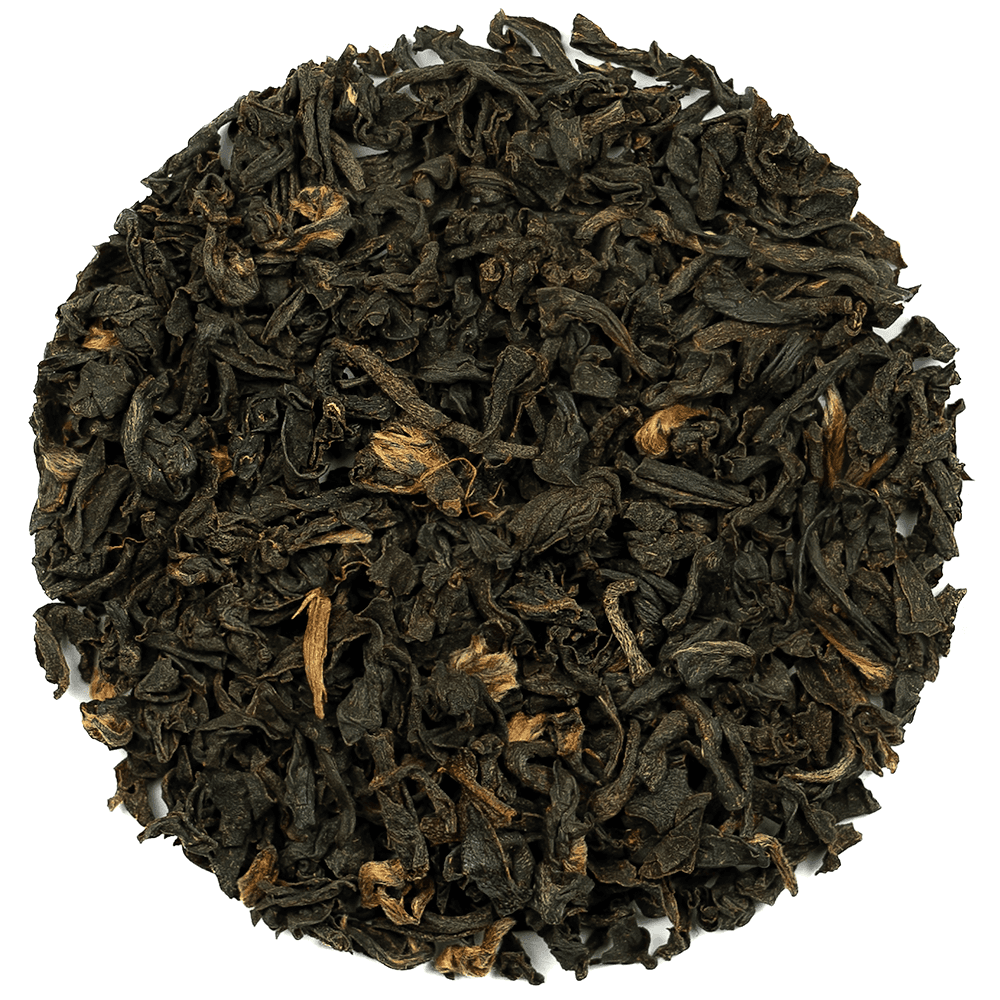
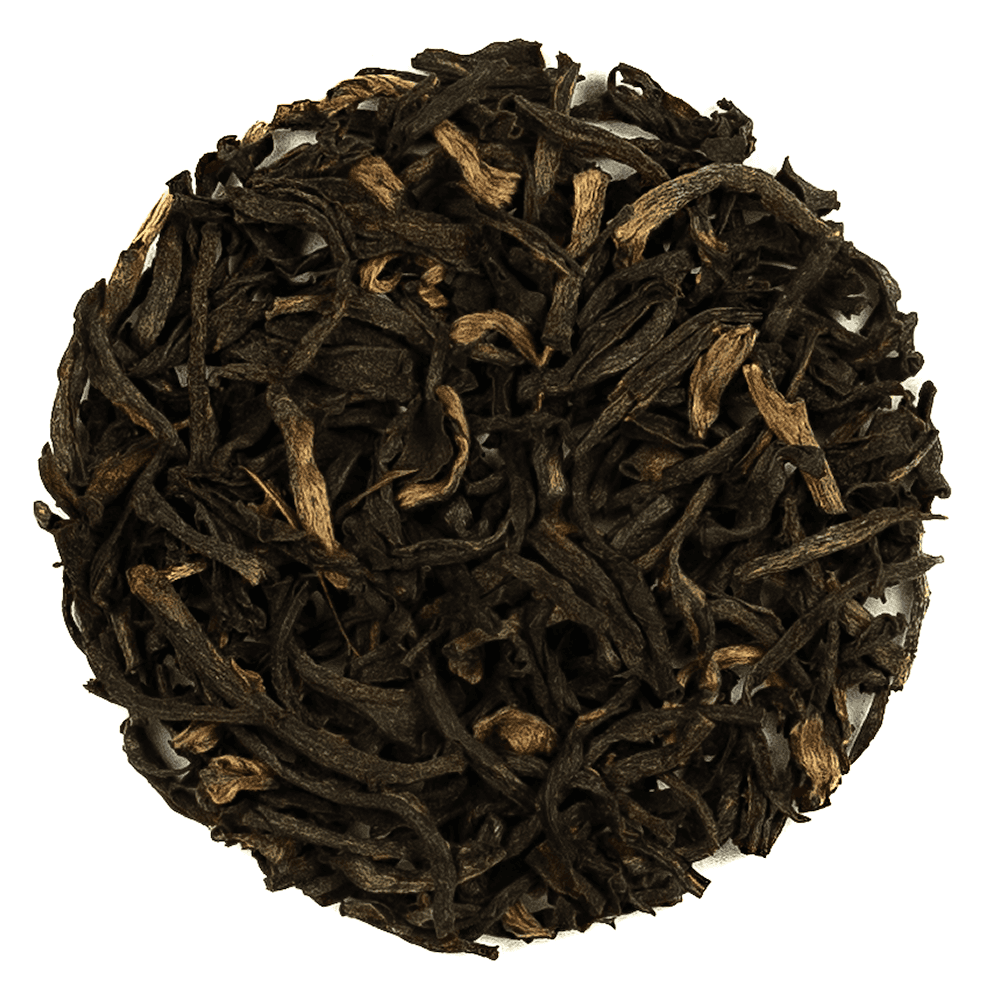
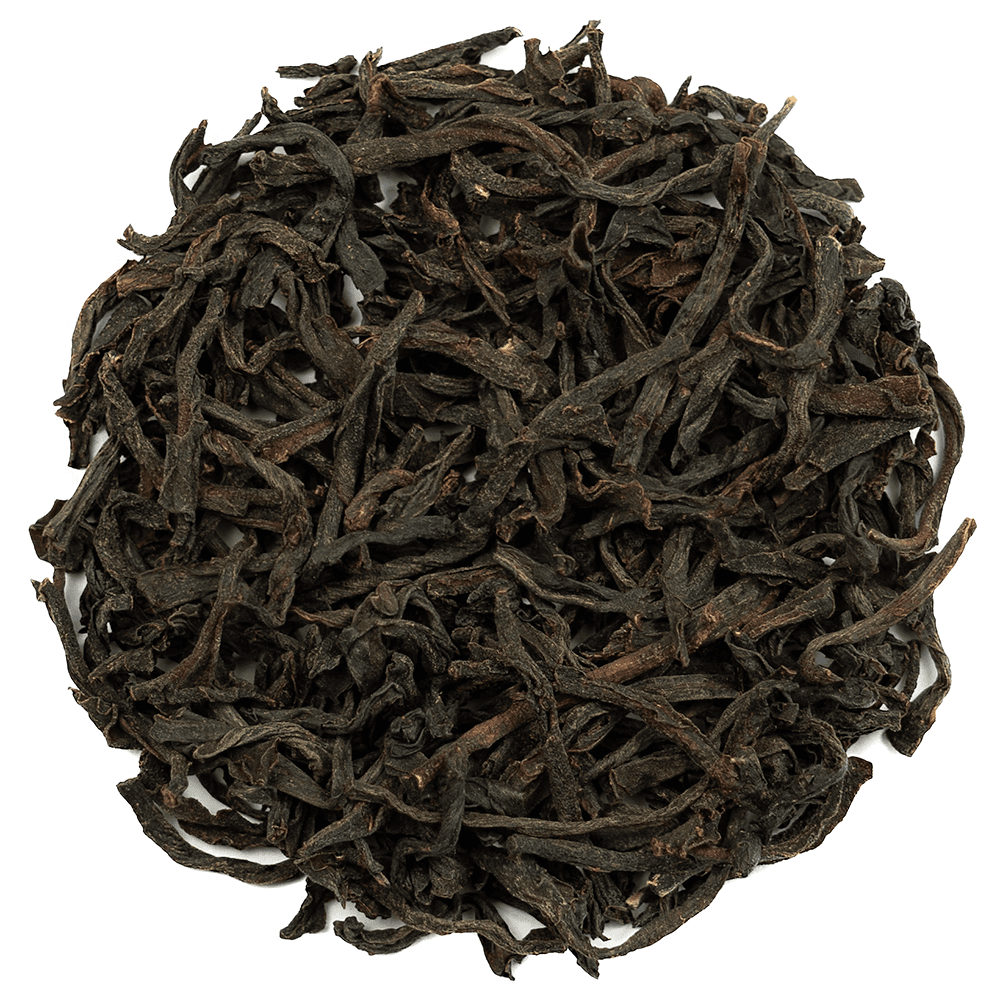
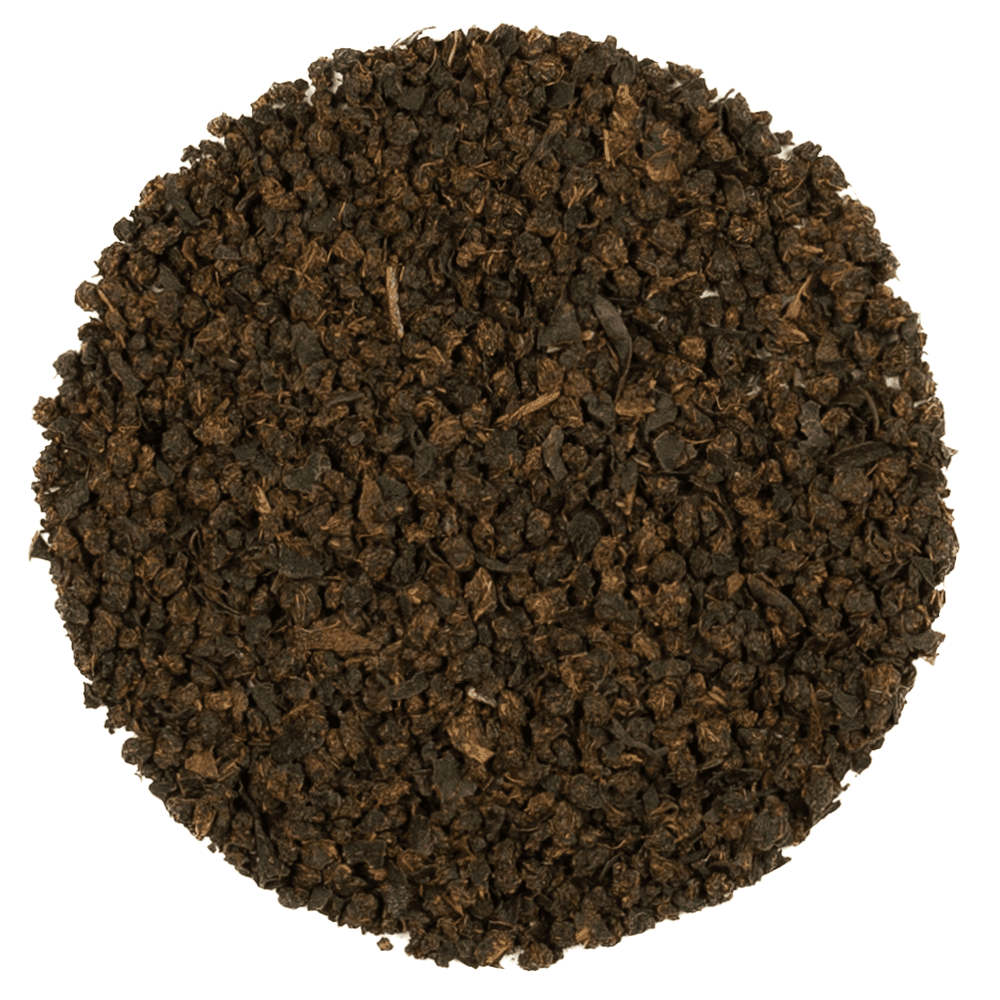
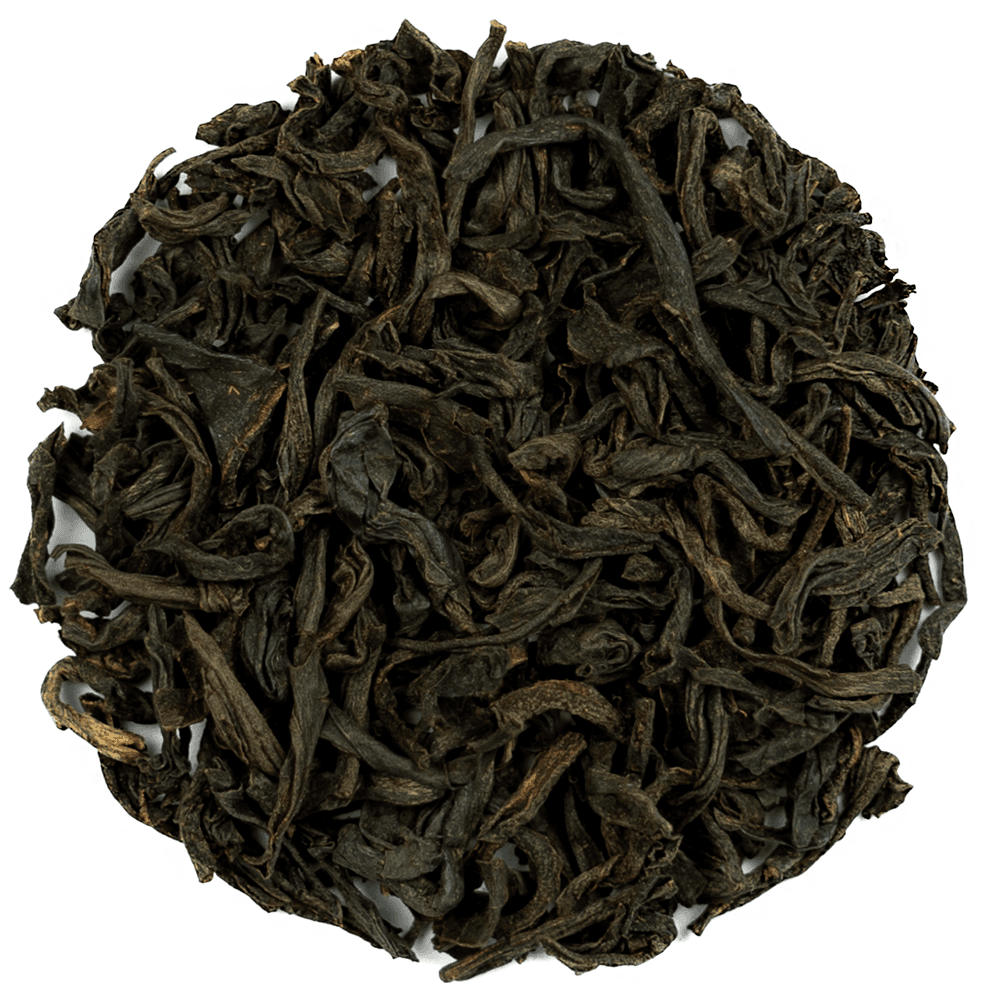
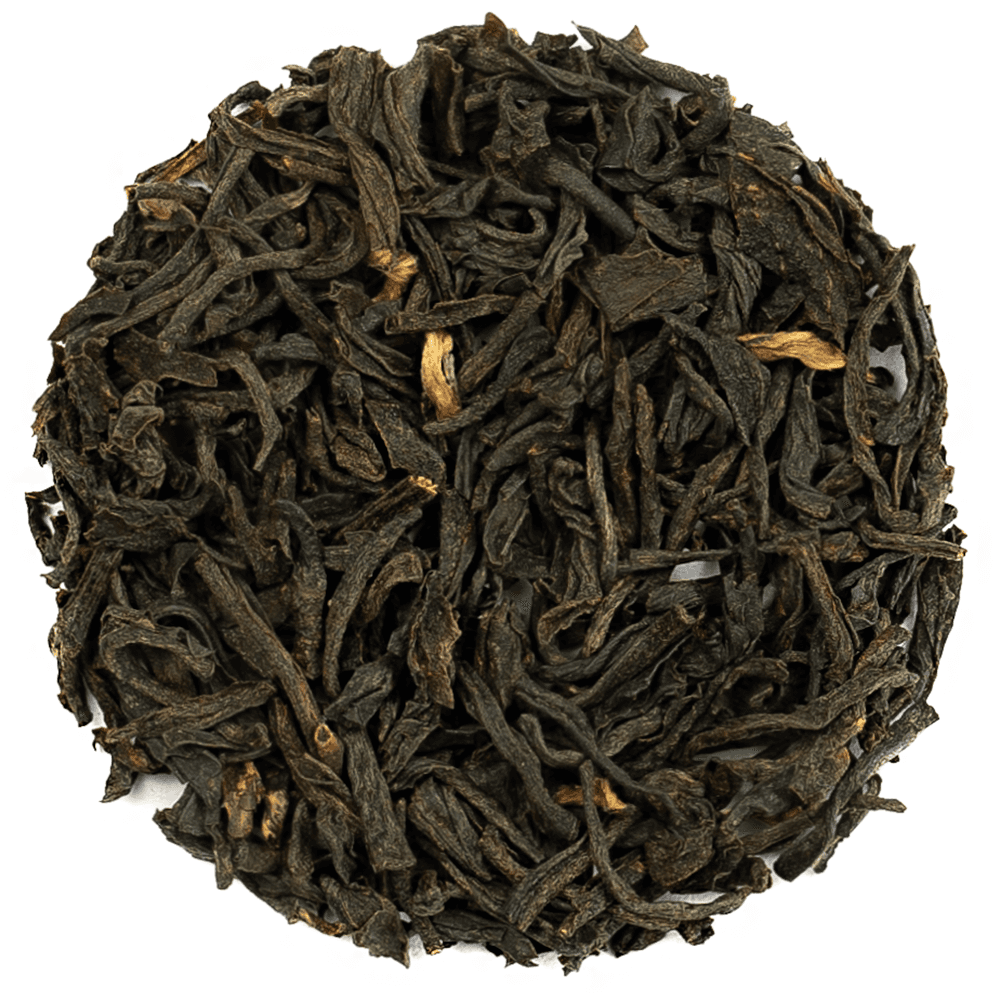
This Assam comes on strong: malty from the first sip, thicker-bodied than most Assams, with a coppery, almost mahogany liquor in the cup. Alongside the malt sit notes of lemon, orange, honey and a faint coffee-like bitterness, with enough body to take milk without disappearing into it. An 8-oz cup carries around 45mg of caffeine, a fair jolt for a morning brew.
It comes from the Dimakusi Tea Estate in Assam, established on 15 February 1900 under the Williamson Magor Co. Ltd. The garden sits with the Bhutan hills to the north, the Kala and Nonai rivers to the northeast, and the township of Khairbari to the southwest, with the well-regarded Borengajuli estate further west. Since its founding, Dimakusi has built a name for some of the more interesting Assam teas grown in the district. Assam tea itself dates to the 19th century, when a Scotsman named Robert Bruce first identified the local tea plant, a find his brother Charles Alexander Bruce later confirmed, opening the way for an Indian tea industry that now makes Assam responsible for roughly 55% of the country's total output.
The grade, TGFOP1, spells out Tippy Golden Flowery Orange Pekoe. FOP marks leaf plucked from the top bud and first two leaves of each new shoot: young, tender leaf with a good ratio of tip to bud. The TG in front signals an especially high proportion of golden tips among that same leaf.
Brew it with freshly boiled water for three to five minutes to bring out the full malt and body. It takes milk, sugar, honey or lemon equally well, or drink it black if you want the malt undiluted. The Kent and Sussex Tea and Coffee Company packs this one fresh to order rather than holding it as stock.