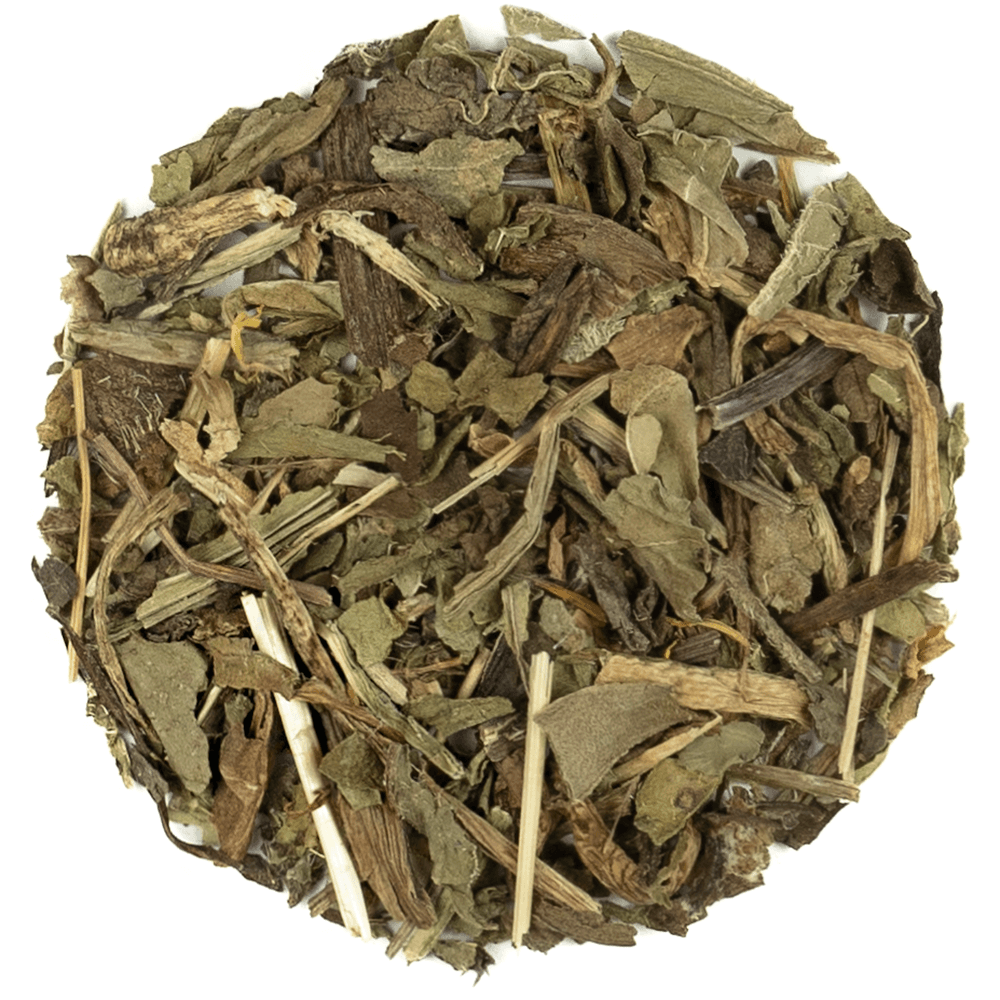
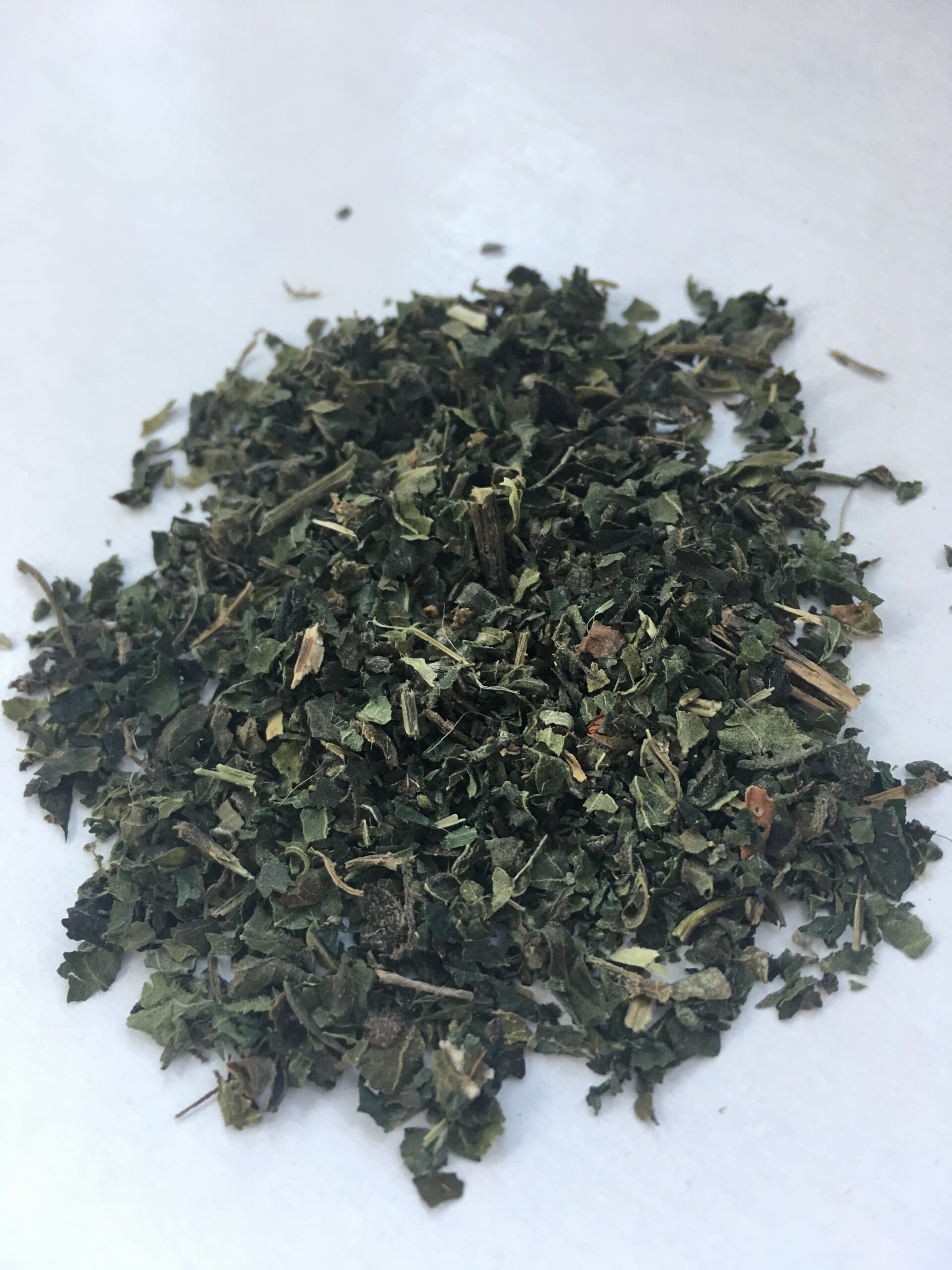
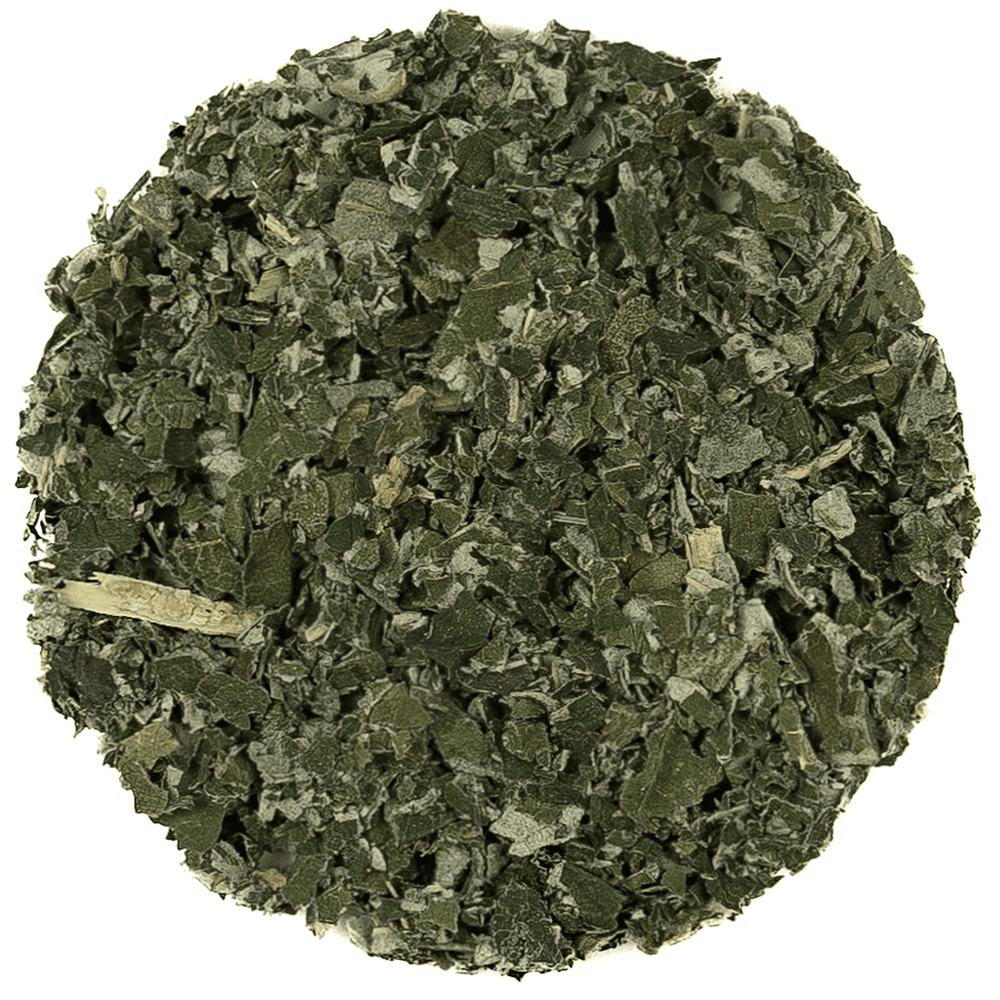
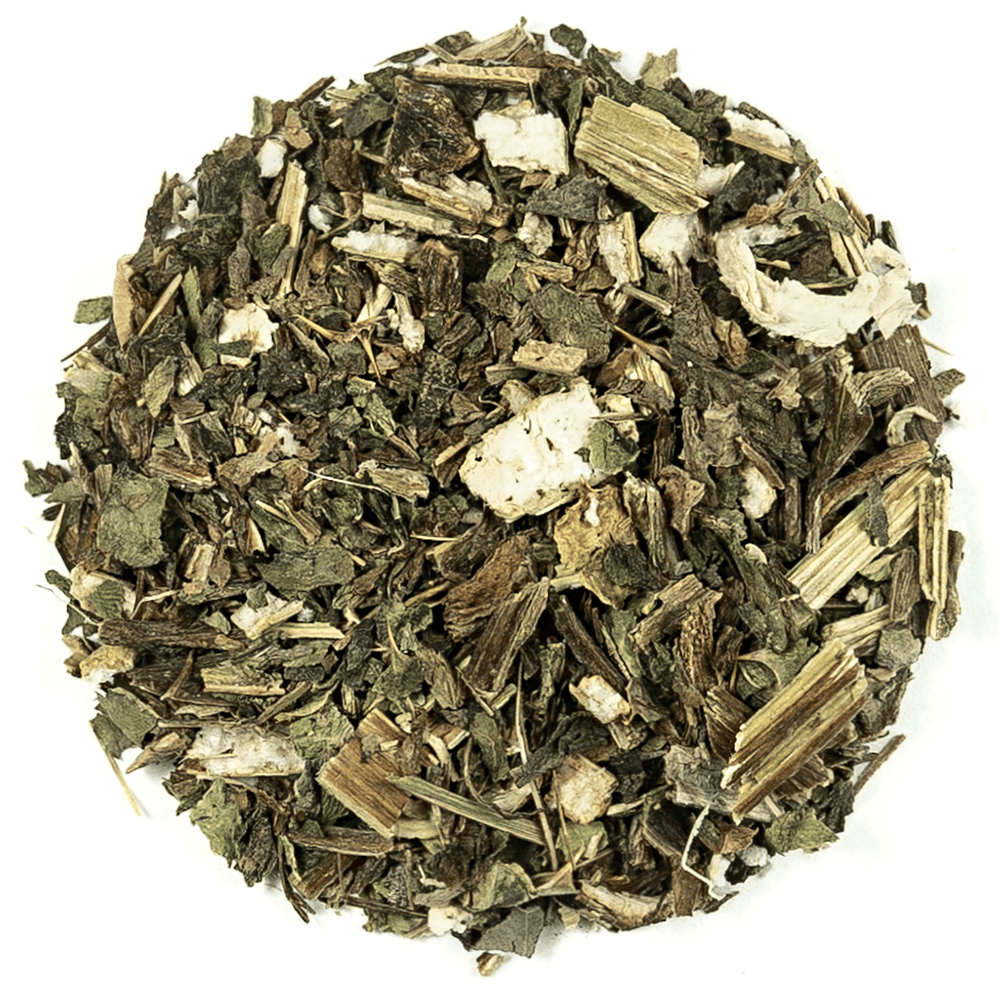
Dandelion root gets ground down and infused to make an earthy, slightly sweet cup that tastes closer to roasted coffee than to most herbal blends — hence the old nickname "dandelion coffee." Notes run malty and nutty, with a base of roasted, herbal earthiness, and it's naturally caffeine-free, so it works as a coffee substitute for anyone cutting back on caffeine without giving up that toasty flavour.
The root comes from Taraxacum officinale, a plant native to Eurasia that has shown up in herbal medicine for thousands of years, in Chinese and Native American traditions among others, where it was used for digestive and liver complaints and called a "liver tonic." It traces back further still: dandelion root tea was drunk in China as early as the 7th century and spread through the wider world by the 11th century, thanks in part to Avicenna. In Britain it took on a different role in the Victorian era, when it was drunk each spring as a tonic believed to cleanse the blood and shake off the winter sluggishness — a habit that helped cement its popularity in the UK.
None of that history is medical advice, but it explains why people still reach for a cup: dandelion root has long been used to support digestion and is traditionally regarded as gentle on the liver. It's also naturally rich in vitamins and minerals, which is part of why it's stayed a fixture of herbal medicine rather than fading into novelty status.
To brew it, use about a teaspoon (5g) of root per 8oz (250ml) of water, pour water at a full boil over it, and steep for 5 to 10 minutes — Teatico lists 450 seconds as a standard steep. Doubling the amount gives a stronger, more concentrated cup, while a cold steep overnight produces a milder, sweeter result with less of the roasted edge. A splash of fruit or herbs works well in the cold version if you want to soften the earthiness further.