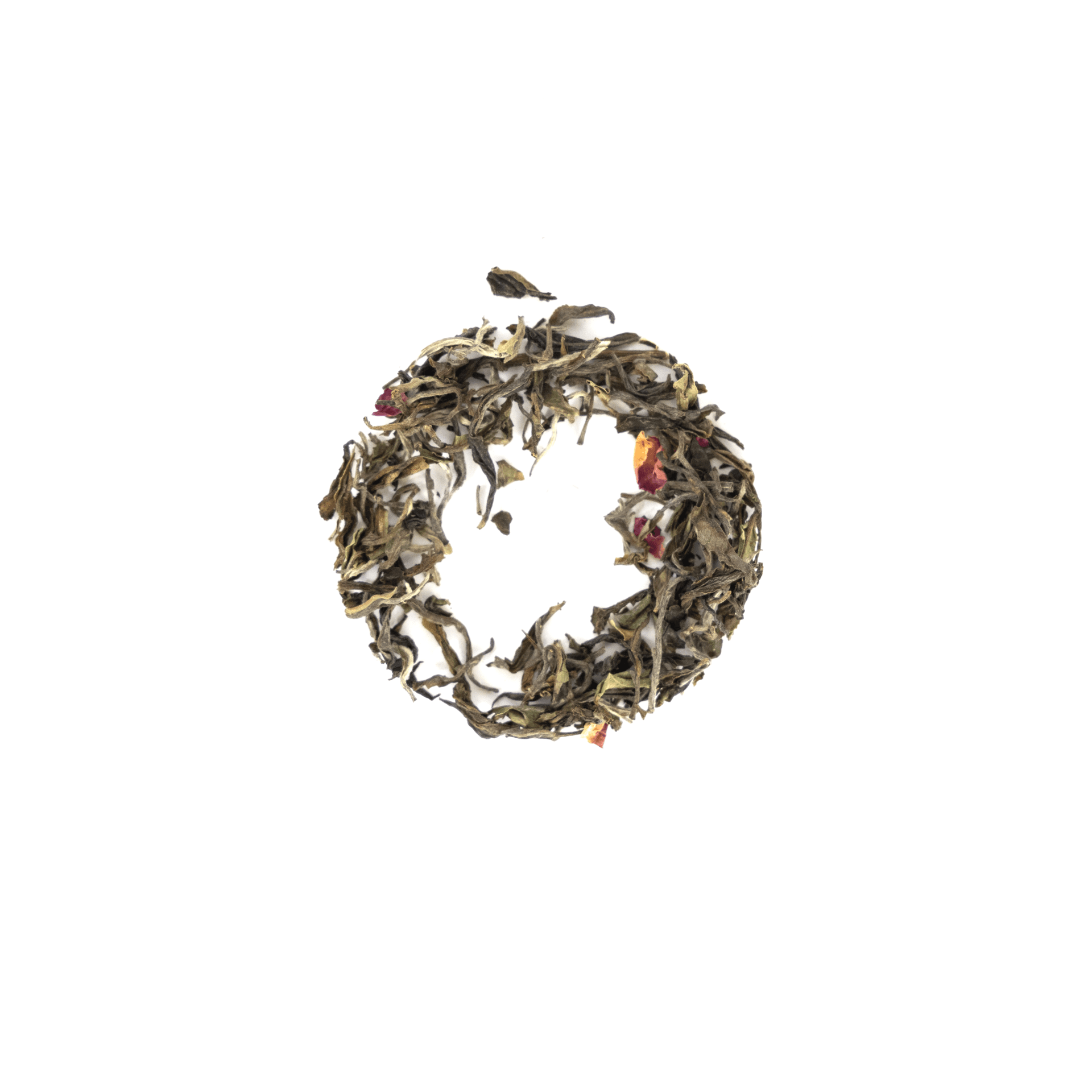
Bergamot is what makes Earl Grey Earl Grey, and this blend leans into it without letting the citrus take over. Underneath is a base of Assam, Darjeeling, and Keemun black teas, which gives the cup a malty backbone and enough body to carry the bergamot rather than just being scented by it. The result is smooth and aromatic, with floral notes threading through the citrus brightness — the kind of cup that works equally well first thing in the morning or in the middle of a quiet afternoon.
The name comes from Charles Grey, 2nd Earl Grey, who was British Prime Minister from 1830 to 1834. He's remembered chiefly for pushing through the Reform Act of 1832, which broadened the electorate and reshaped British democratic representation, and his government also presided over the abolition of slavery across the British Empire and early legislation on child labour. Grey was born in Northumberland, entered Parliament at 22, and spent much of his life at Howick Hall, the family estate. None of that has much to do with tea directly, but his title ended up attached to one of the most recognised flavoured blends in the world regardless.
As a black tea, Earl Grey carries a moderate amount of caffeine, typically somewhere between 40 and 70 mg per cup depending on the leaf and how long it steeps, so it tends to suit mornings and early afternoons without the jolt of coffee. To brew it, use water around 96°C and give the leaves about five minutes — shorter steeps pull a lighter, more delicate cup, while pushing toward the longer end brings out more strength and tannic grip. Loose leaf or bags both work; what matters more is not scorching the leaves with water that's too hot, since that tends to flatten the floral notes and leave only bitterness and bergamot behind.