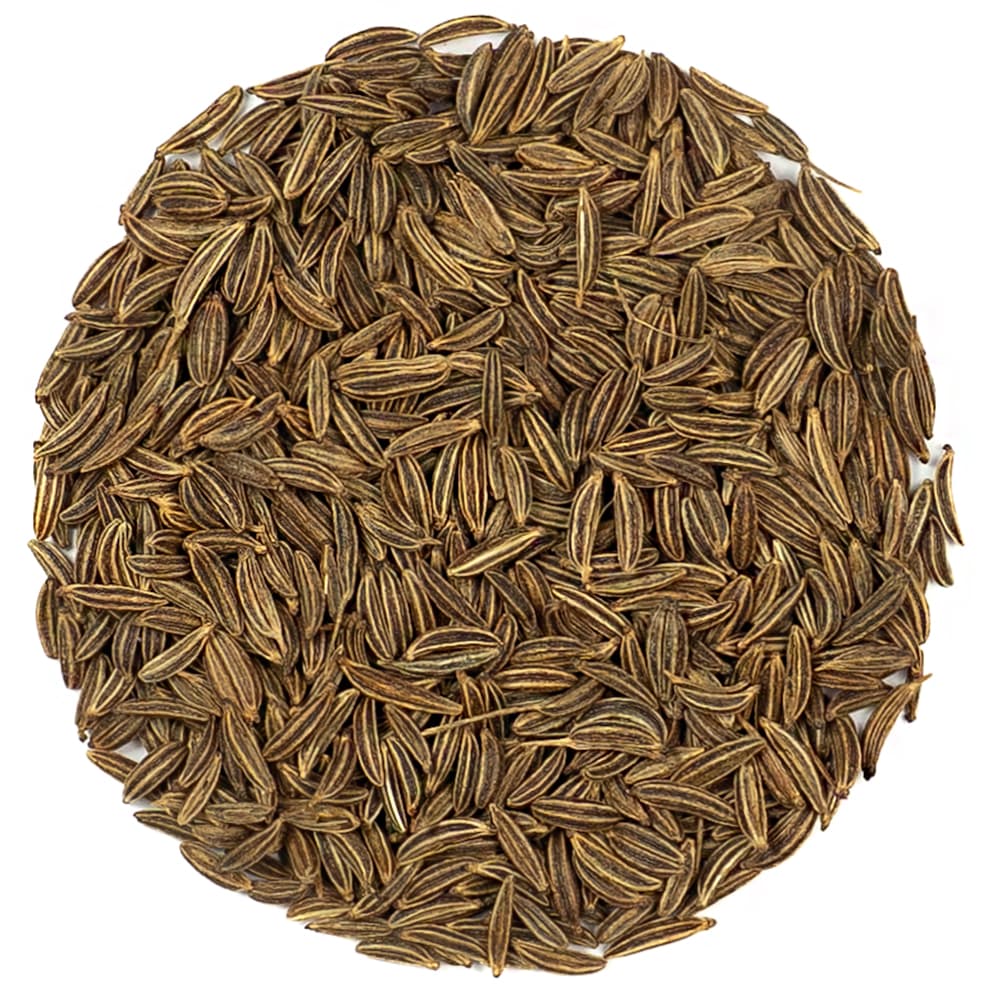
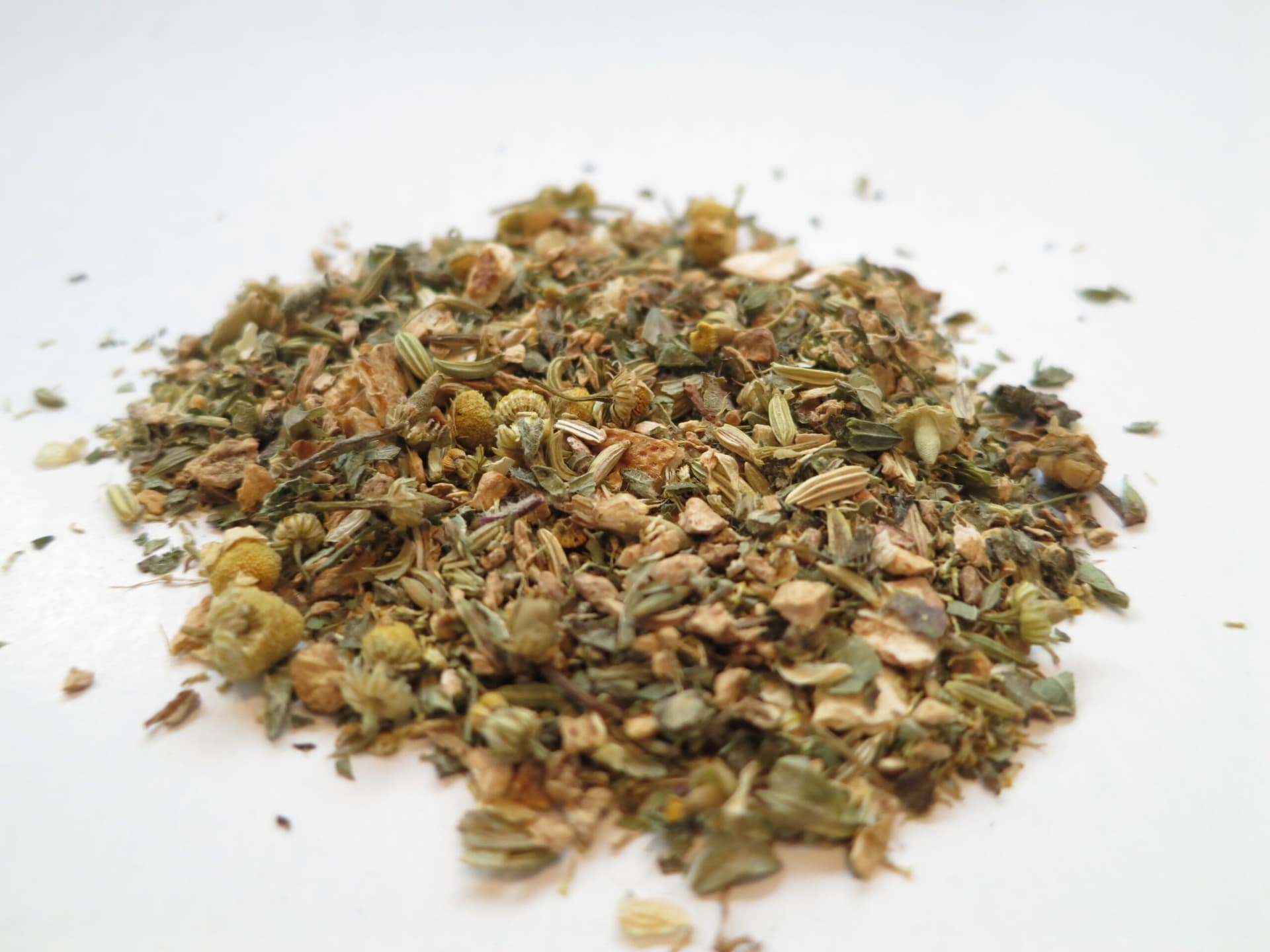
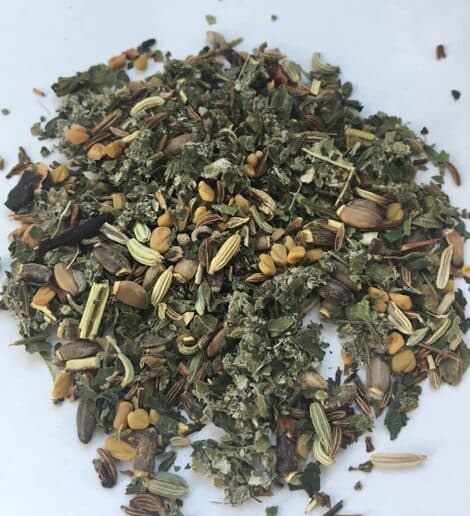
Fennel seed tea gets its character from the plant's seeds, which brew up with the same sweet, liquorice-like edge you'd get from anise, rounded out by a citrus note. Expect a cup that reads more aromatic than bitter, with fennel and dill's herbal, slightly vegetal backbone underneath, and enough natural sweetness that it can stand alongside honeyed or milky drinks in flavour if not in kind. It's naturally caffeine-free, which makes it a reasonable pick for an evening pour or for anyone cutting back on caffeine generally.
The seeds have a long history well beyond tea. Pliny the Elder wrote about fennel's supposed powers in Naturalis Historia, and by the 1300s it was a fixture in English households — King Edward I's wardrobe accounts record a purchase of eight and a half pounds of seeds in 1281, enough to last a month. It served double duty as a flavouring and an appetite suppressant: people chewed the seeds during church fasting days to get through long stretches without food, a habit that Puritans carried to America, where congregants brought handkerchiefs of seeds to nibble through lengthy services. Medieval households also hung fennel over doorways and tucked it into keyholes, particularly around Midsummer's Eve, believing it kept evil spirits out.
Tea & Coffee, the vendor behind this listing, packs it fresh to order at a Kent-based facility. To brew it, simmer or steep one to two teaspoons of seeds in a cup of water for around ten minutes, then strain out the seeds. It takes well to honey if you want it sweeter, and to add-ins like cinnamon, ginger, lemon or cardamom if you want to vary the profile. It also works cold, or as a base for smoothies and juices. Fennel has traditionally been used to ease digestive discomfort such as bloating, and folk use extends to easing constipation and supporting lactation in breastfeeding parents, though none of that should be taken as established medical fact. As with other members of the carrot family — dill, caraway, coriander — it can trigger allergic reactions in people sensitive to that plant group, so it's worth going easy at first if you've never had it before.