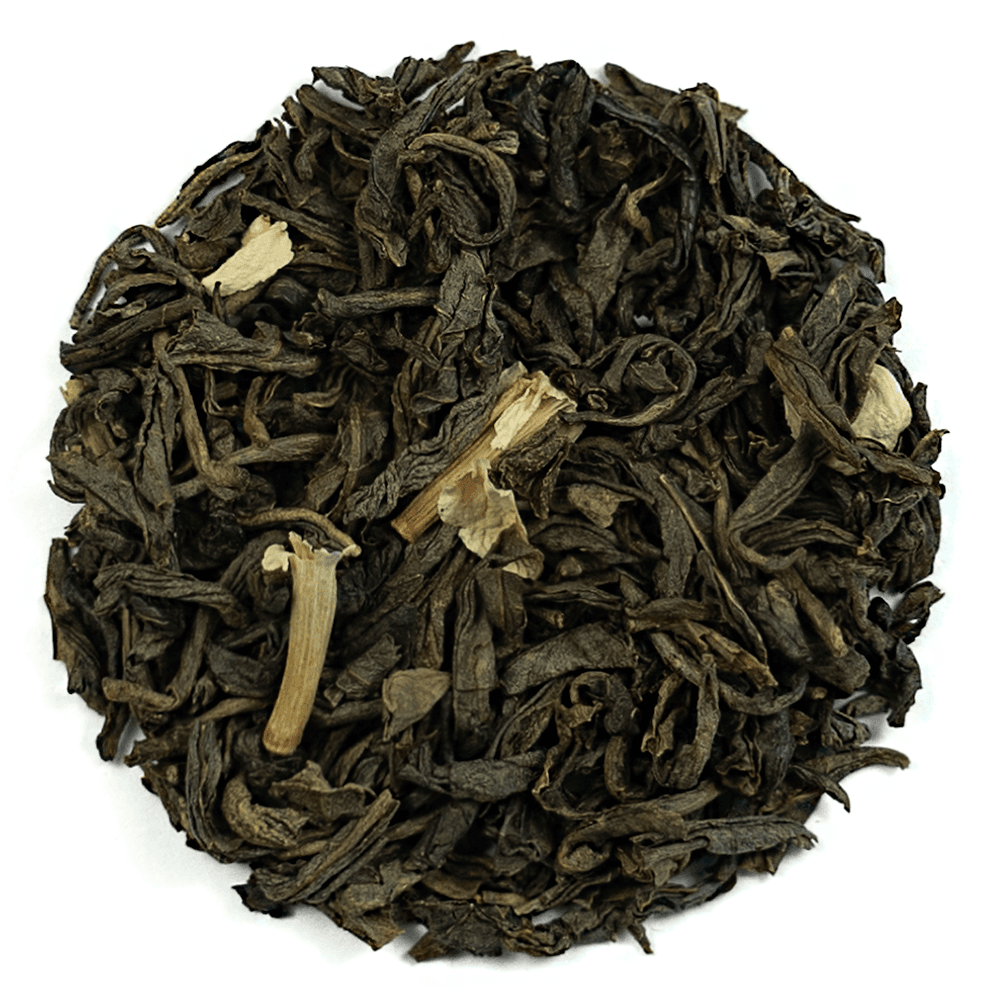
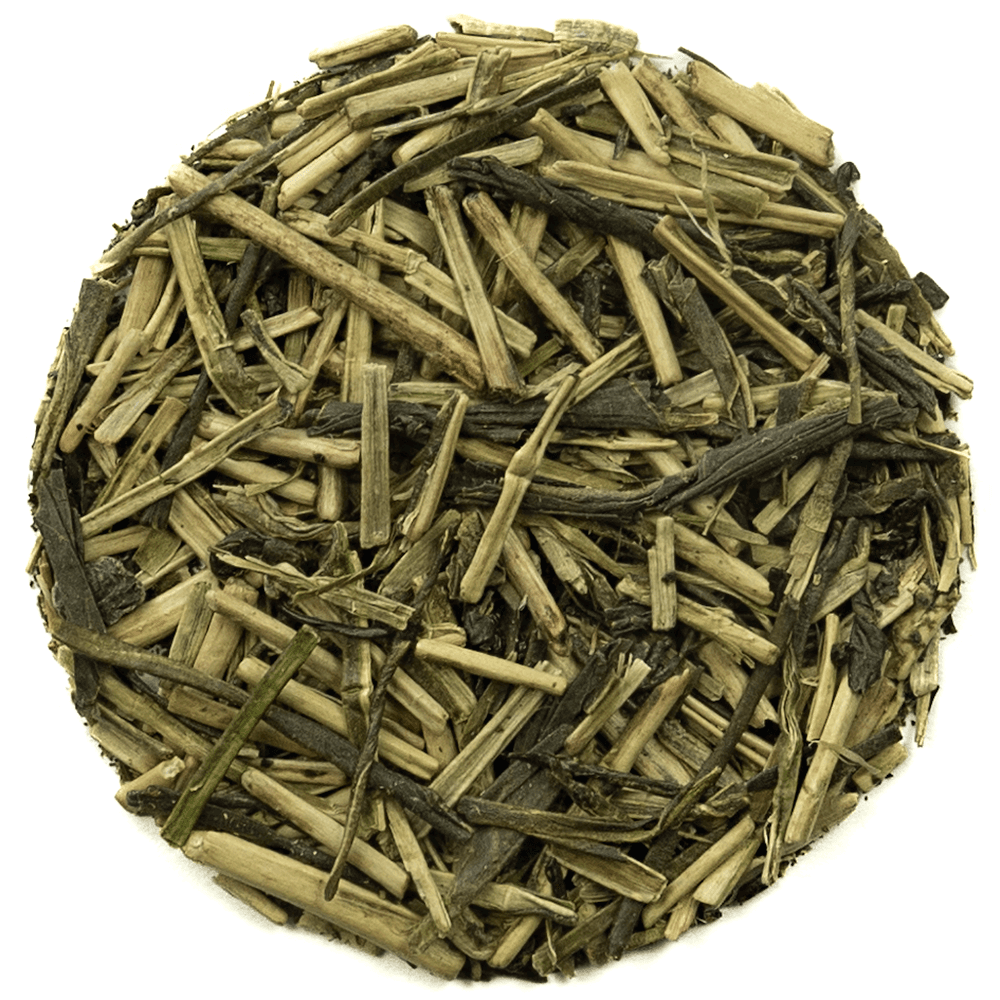
Steep this one and you get a cup that leans floral first, then rounds into something closer to butter and cream, with a citrus lift and a trace of honeyed sweetness. There's a savoury, almost coffee-like depth underneath, and the liquor pours a clear yellow with faint green highlights. The body is thick, finishing with a light drying grip on the palate rather than fading out clean — the mark of a sencha with real character.
The tea grows in Nara, Japan, whose old name, Yamato, gives the tea its own. It's picked in autumn, once the leaves have had a full season to mature, then steamed, rolled and dried in the standard sencha method, which locks in colour and flavour rather than letting the leaf oxidize.
Green tea reached Japan in the 8th century, when the Buddhist monks Saicho and Kukai carried young tea trees back from China; Emperor Shomu is said to have served it at a Buddhist ceremony in 729. Interest cooled after that until the monk Eisai revived it in the 13th century with his writings on tea's health benefits, reshaping how tea was understood in Japanese culture from then on. Sencha itself is often traced to a farmer named Nagatani Soen, credited with developing the modern production method in 1738; true or legend, it's the process still used today, and sencha now makes up roughly 78 percent of all the tea Japan drinks.
Brew it at 80°C for about three minutes: a shorter steep keeps it brighter, a longer one pulls out more of the drying, savoury side. It carries a moderate dose of caffeine, and many find it gentler and slower to hit than a cup of coffee. Honey or a slice of lemon both play well with the floral notes already in the cup. Keep the leaves in an airtight container, away from light and heat, so they don't go flat.