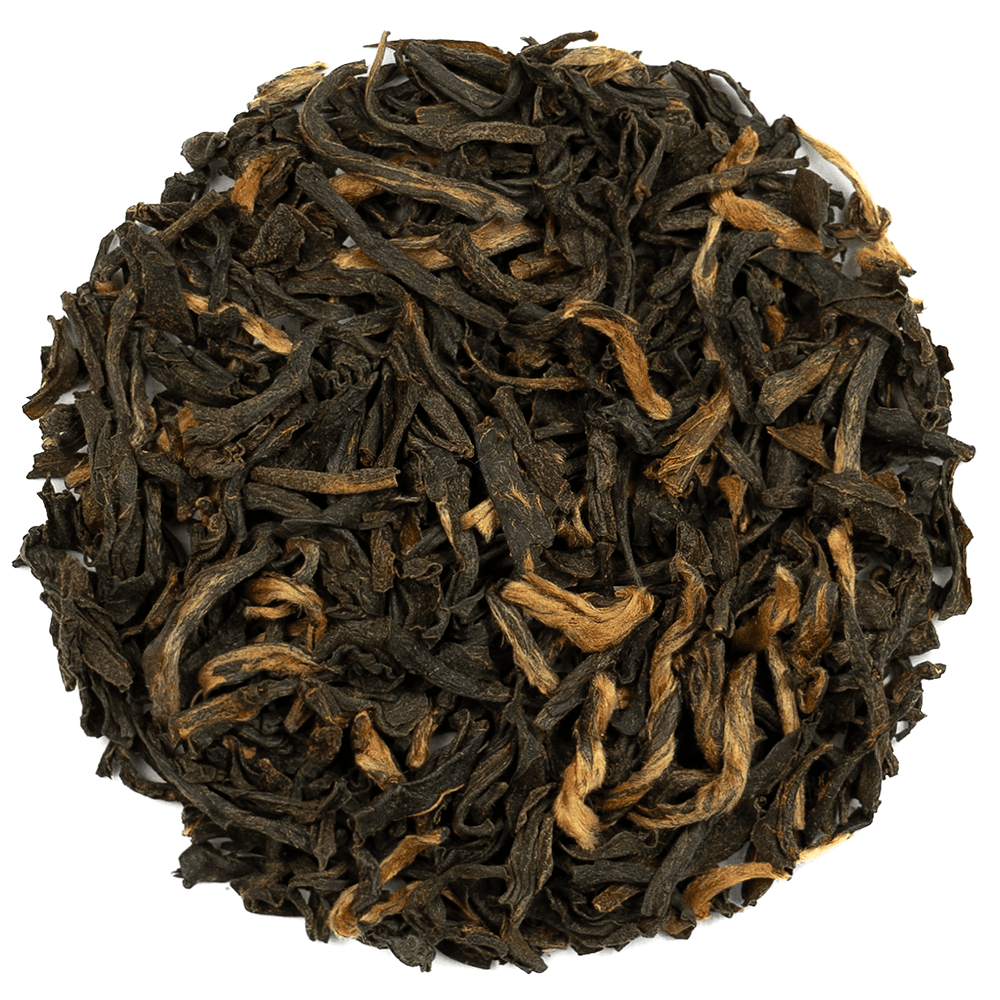
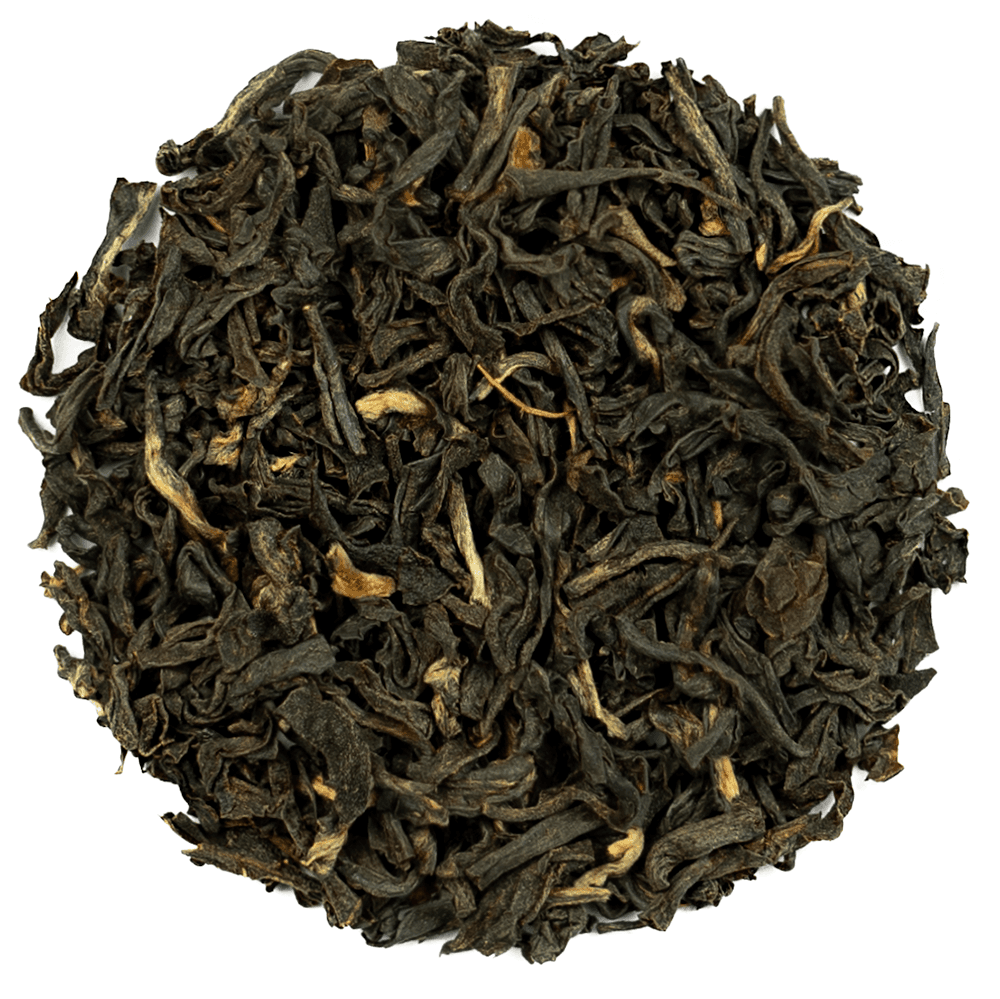
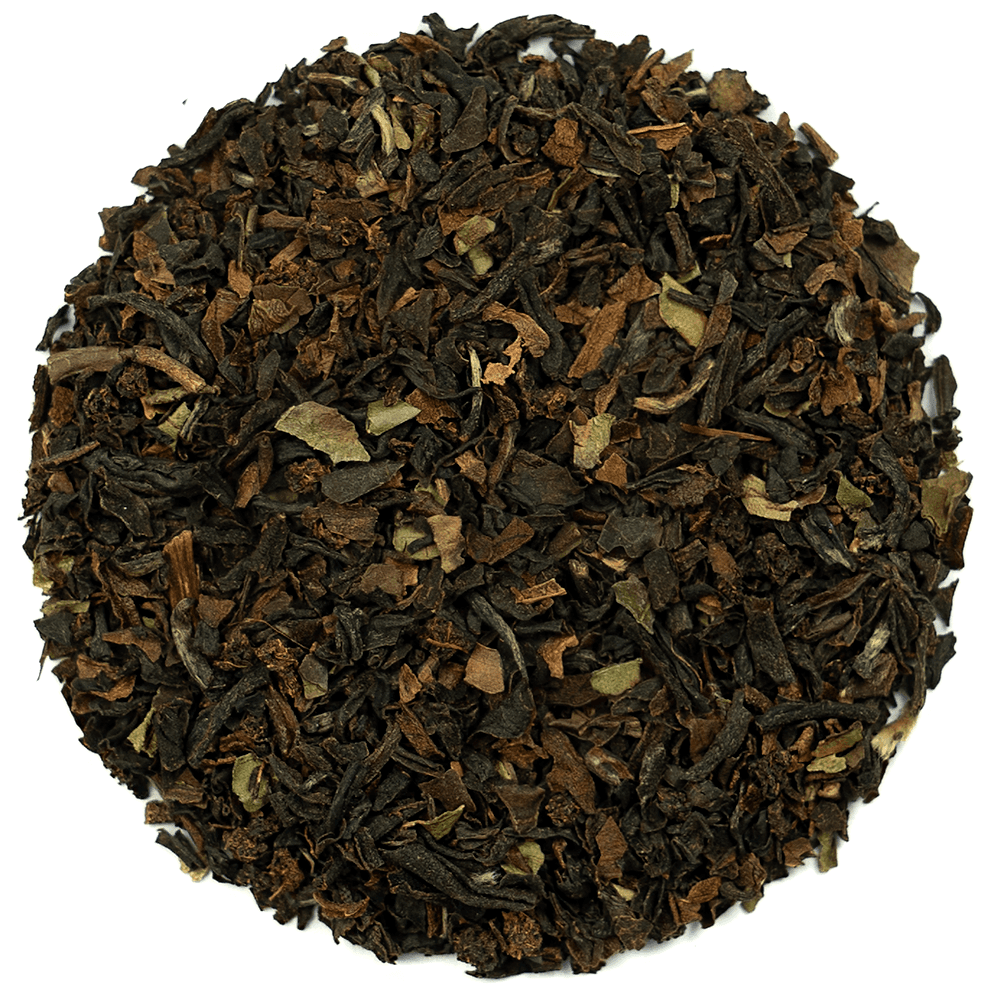
Tanzania's tea industry is young next to Kenya's, but this broken orange pekoe shows why the country is starting to earn its own reputation. The leaf, broken down into smaller pieces rather than left whole, gives a bolder, stronger cup than a flowery orange pekoe would — coppery and light in the cup, full-bodied with a spicy edge, and carrying real caffeine for a morning brew. On the palate expect lemon and orange alongside honey and a mellow milkiness, with spice notes and a thick mouthfeel.
Tea is Tanzania's fourth-largest export crop, grown by more than 30,000 smallholder farmers who together account for a third of national production, and harvest runs year-round. German settlers first planted tea here in 1902, back when the region was German East Africa, though the crop didn't become commercially viable until 1926. Since independence, production has centred on three areas: the Southern Highland Zone, the North East Zone, and the North West Zone.
Steep it in freshly boiled water for three to five minutes. Serve it black, or add milk, sugar, honey or lemon to taste. Tea drinkers have long turned to black teas like this one for their antioxidant content, thought to help offset the oxidative stress linked to a range of chronic conditions, though no single cup is a fix for that on its own.