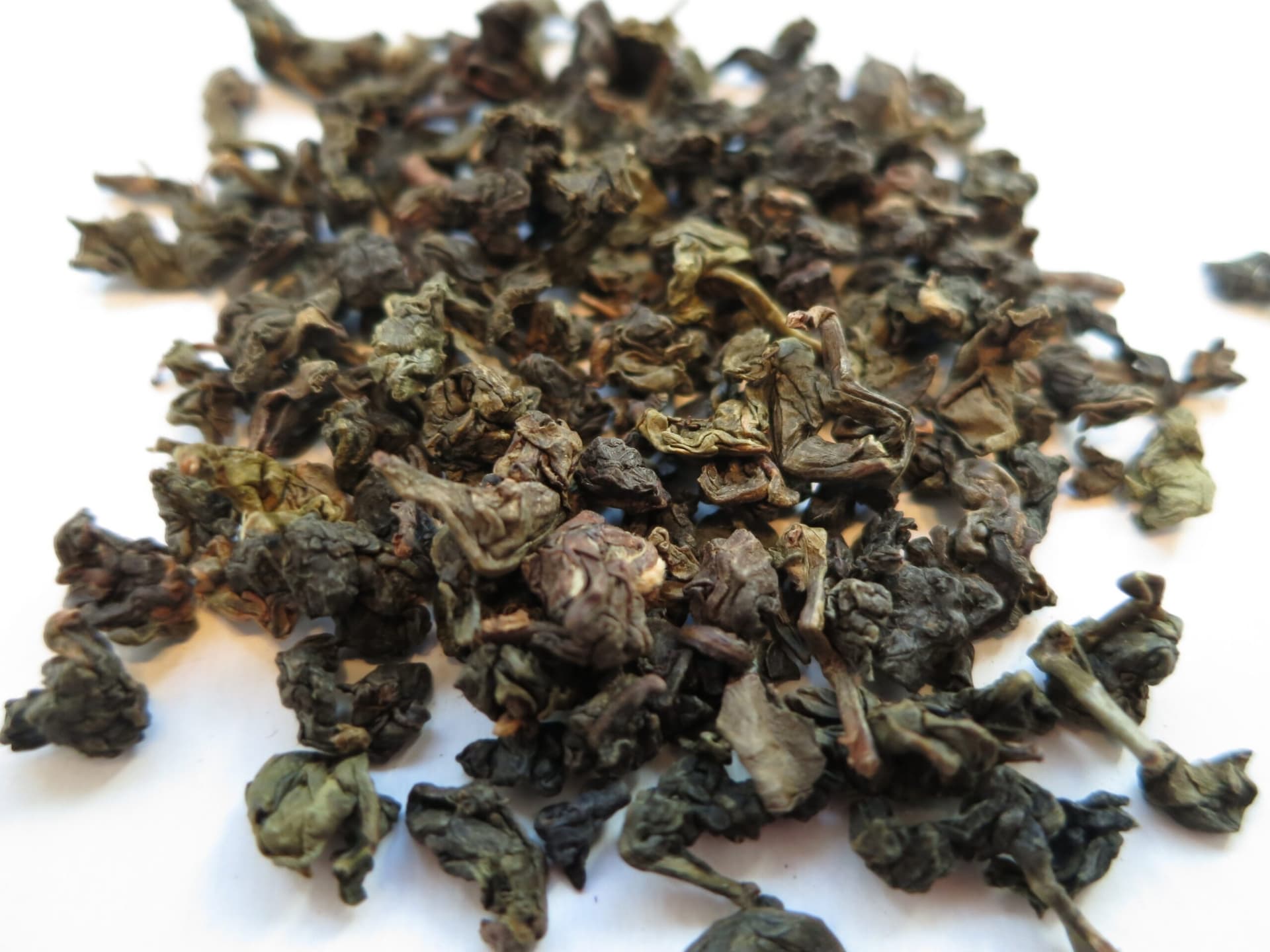
Wulong Toppest comes from the Wuyi Mountains of Fujian province, one of China's classic oolong regions. Like other oolongs it sits between green and black tea in processing terms, only partly oxidised, which is why people once called the category the "in-between" tea. Oxidation levels vary widely across oolongs, from as little as 8% up to 80%, and that range shapes whether a given oolong leans closer to green tea or black tea in character. This one has its own distinct profile: a coppery, light-toned liquor with bold earthy notes, char, honey and a citrus edge from lemon, and an aftertaste that lingers well after the cup is finished. Tea & Coffee packs it fresh to order at their factory in Pluckley, Kent.
There's a popular legend behind the wider oolong category, worth mentioning even if its accuracy is debated. It traces back to the Song Dynasty (960-1279 CE), when tribute teas were gifted to the Emperor. Workers at the Beiyuan garden in Fujian broke from convention, presenting a dark loose-leaf tea instead of the usual compressed cakes, and it was a hit. The story goes that the tea became known as Wulong, "Black Dragon", which later became "Oolong" in English.
To brew, use freshly boiled water cooled to around 90°C and steep for about three minutes. Some drinkers add honey or a slice of lemon; others prefer it plain. Oolong has long been drunk in the belief that it aids digestion and supports metabolism, though that's traditional use rather than established fact.