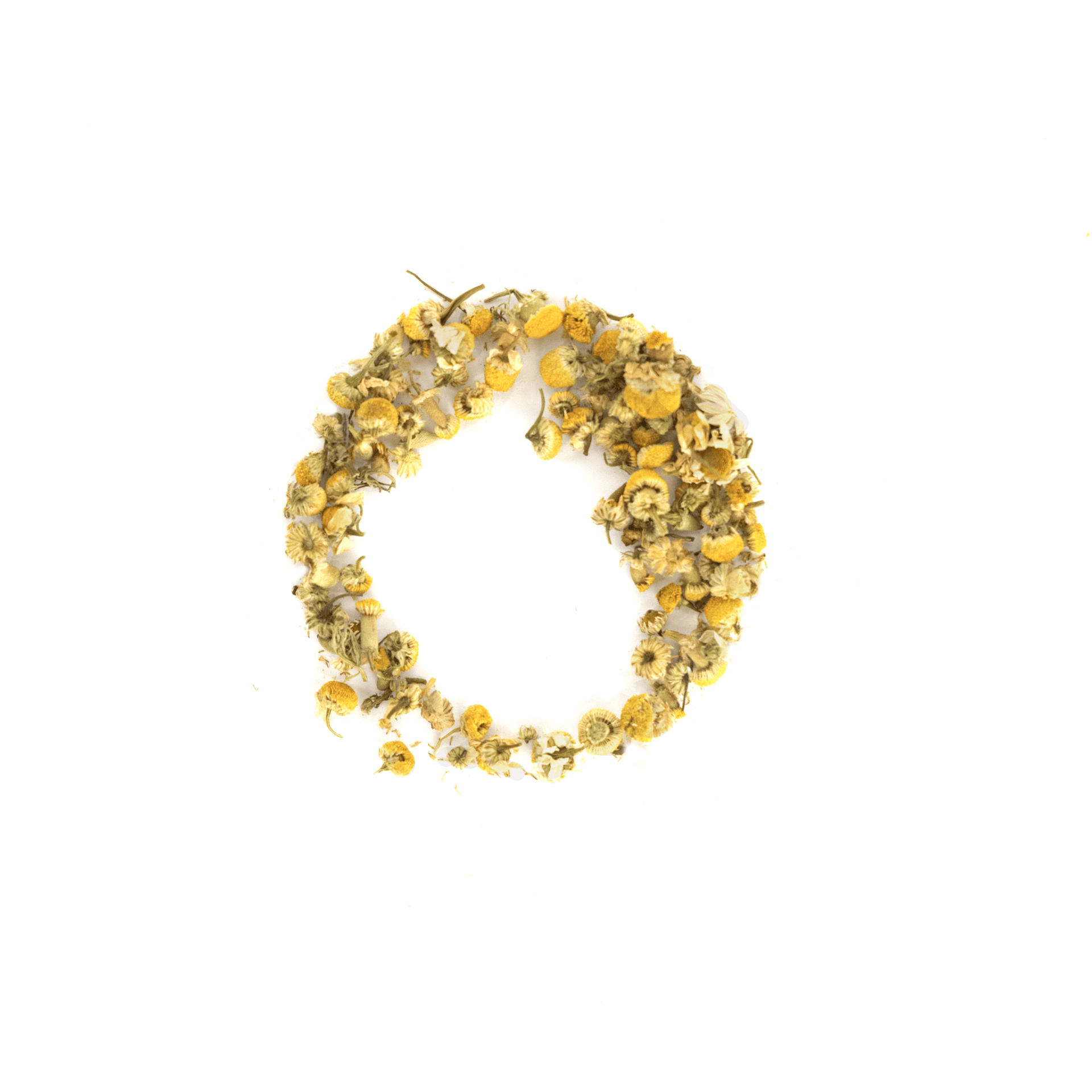
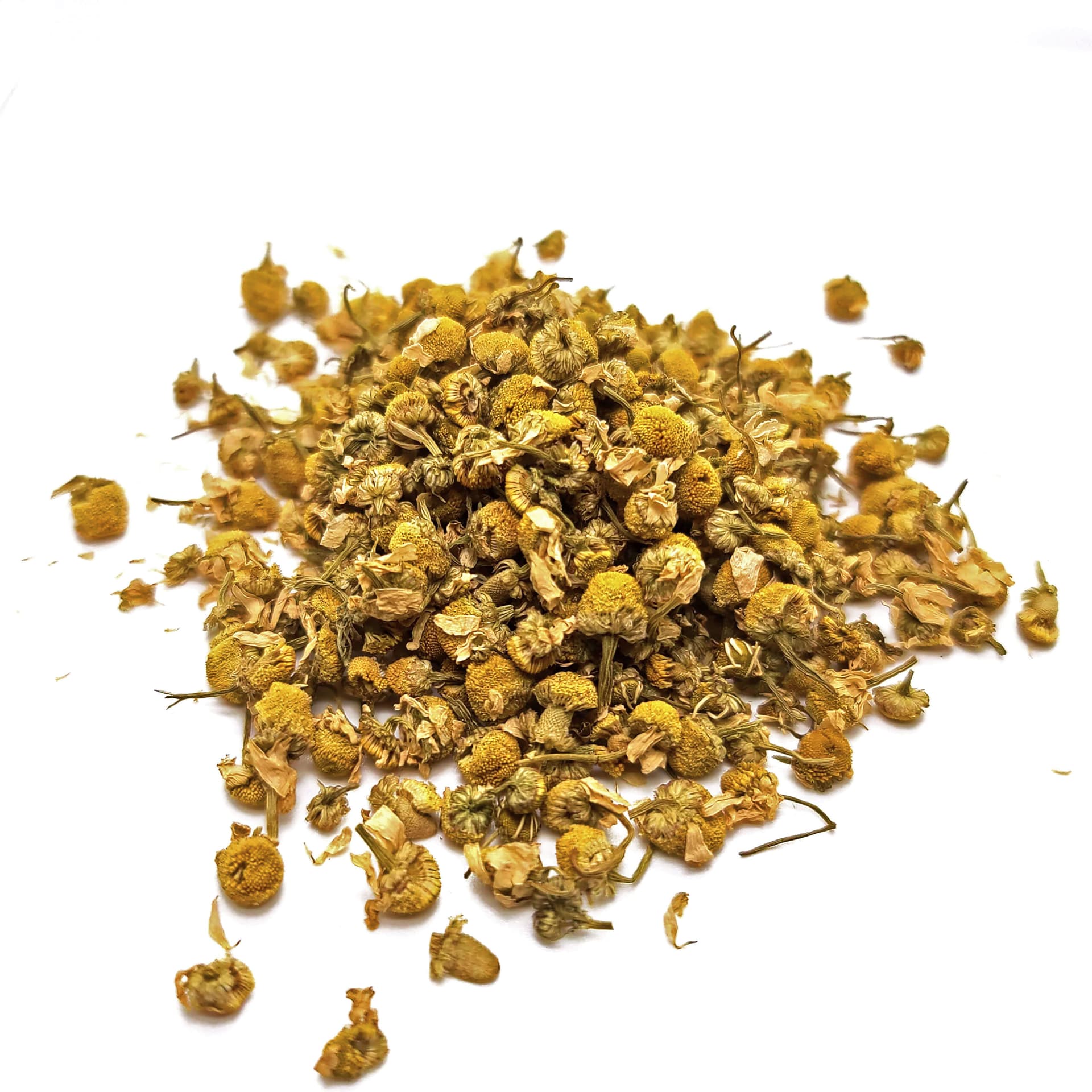
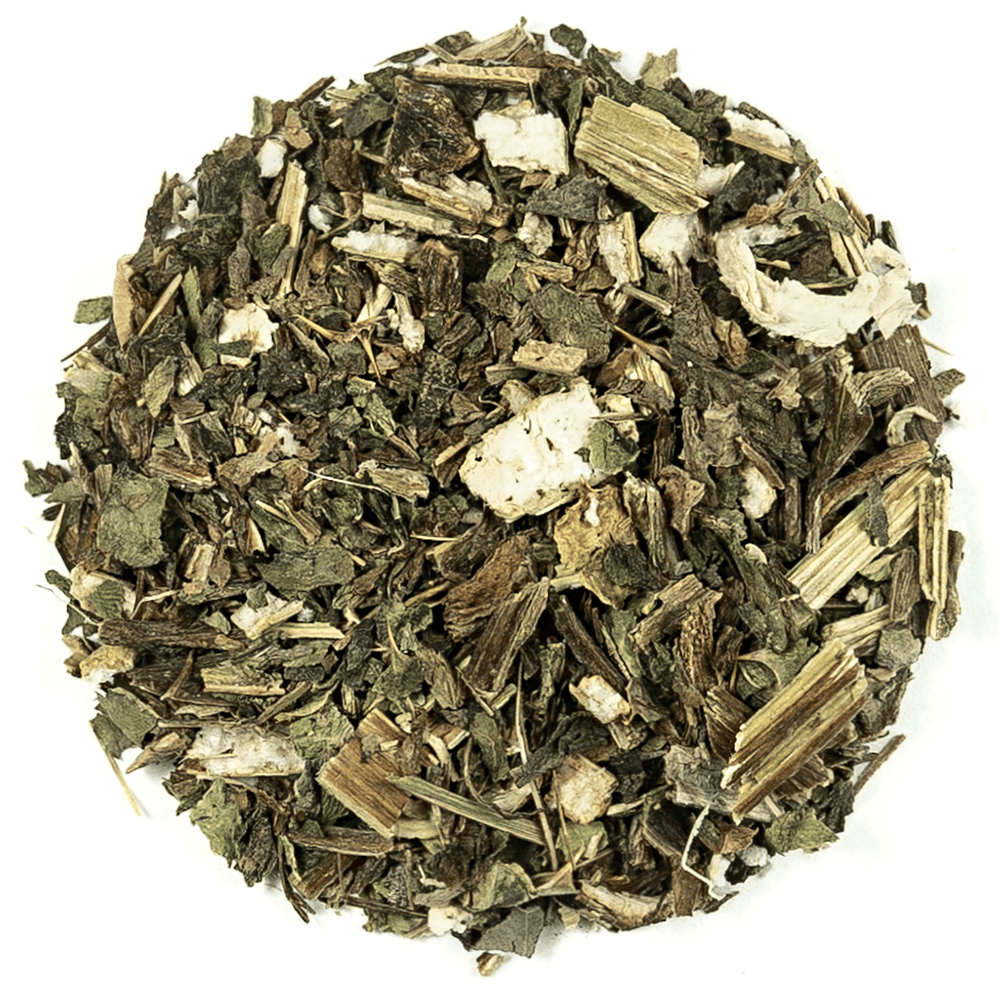
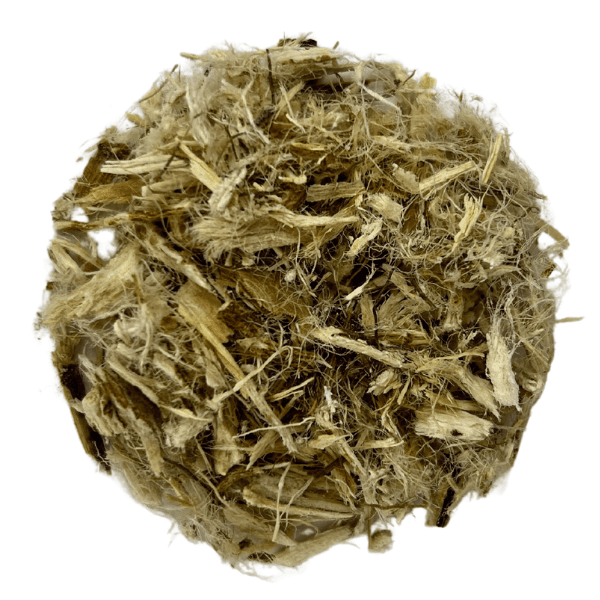
Calendula's petals go into hot water and come out tasting earthy, a little bitter, with a floral aroma close to chamomile and a thread of citrus underneath. Some drinkers steep it plain; others add honey or lemon, both of which sit well against the flower's natural flavour. It works hot in the colder months and cold when the weather turns, so there's no wrong season for it.
The plant behind the tea has a long double life. Ancient Greeks used calendula as a remedy, a food colourant, and a dye for fabric and cosmetics, and marigolds have since become a fixture of kitchen gardens worldwide thanks to how easily they grow. Calendula is a tough, low-maintenance annual with bright orange blooms that flower from early summer through late autumn in cooler climates, or nearly year-round somewhere warmer. Its Latin name, Calendula, means "the first day of the month" — a nod to how reliably and continuously it flowers.
Herbally, marigold tea has long been drunk to settle the stomach, ease heartburn, and relieve constipation, and traditional use also credits it with soothing sore throats, calming menstrual cramps, and easing stress. Some traditions hold it useful for skin complaints like eczema. The petals carry vitamin A and vitamin C along with flavonoids, carotenoids, and polyphenols, and the tea itself is naturally caffeine-free, so it suits anyone avoiding stimulants late in the day.
To brew it, use one to two teaspoons of dried petals per 8-ounce cup of boiling water and steep for five to ten minutes, or scale up to two tablespoons per 16 ounces, simmered gently for fifteen minutes and strained. Drinking too much has been known to cause nausea or an upset stomach in some people, and anyone pregnant, breastfeeding, or on medication should check with a doctor before making it a regular habit.