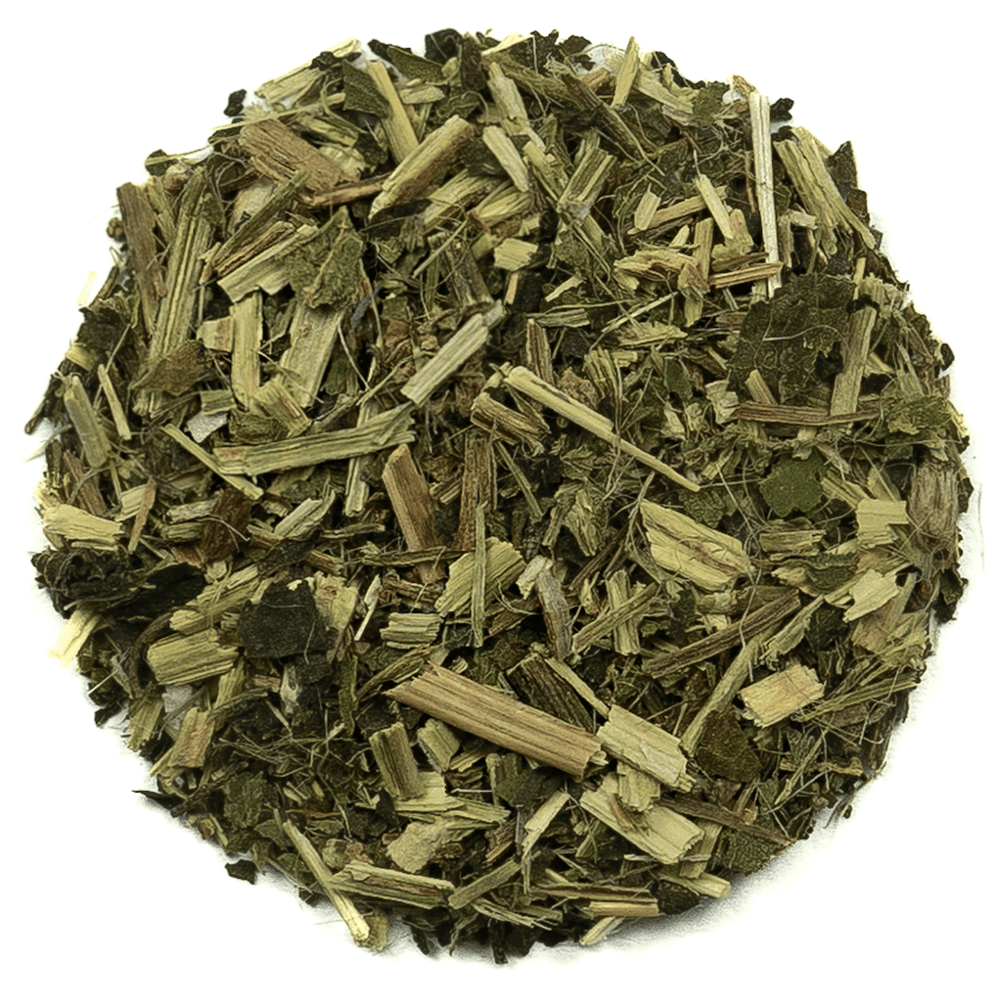
Bamboo shows up in tea form thanks to a very ordinary botanical fact: it grows fast. As a member of the grass family, some species can add close to three feet in a single day, and that speed is tied to bamboo's high concentration of silica, the same mineral that has made the plant so useful across Asia for scaffolding, tableware, and transport, long before anyone thought to steep its leaves. Steeped, the leaves give a pale, green-tea-like liquor with a grassy, vegetal character and a mineral edge, and like green tea, they can be brewed more than once before the flavour drops off. It's naturally caffeine-free, so it works as an evening cup or an alternative for anyone cutting caffeine.
The plant carries a bit of folklore too: in one Philippine origin story, the first man and woman are said to have emerged from a split bamboo stem on an island formed after a battle between sky and ocean.
Silica has long been associated with hair, skin, and connective tissue health, and bamboo tea drinkers sometimes reach for it on that basis, along with its antioxidant and polyphenol content and minerals such as calcium, magnesium, and potassium. Some also treat it as a light aid to digestion and weight management, or reach for it for its reputed calming, anti-inflammatory effect. None of that makes it a substitute for medical advice, and because silica acts as a mild diuretic, drinking large amounts can push fluid and electrolyte levels off balance. Pregnant women in particular should check with a doctor before adding it to their routine.
To brew it, use one to two teaspoons of leaf per cup of hot water just off the boil, and let it sit for around seven or eight minutes before straining. Honey, lemon, lavender, or lemongrass all work well stirred in, echoing the tea's own herbal, floral, and citrus-adjacent notes. For iced bamboo tea, brew it double-strength and let it cool in the fridge overnight.