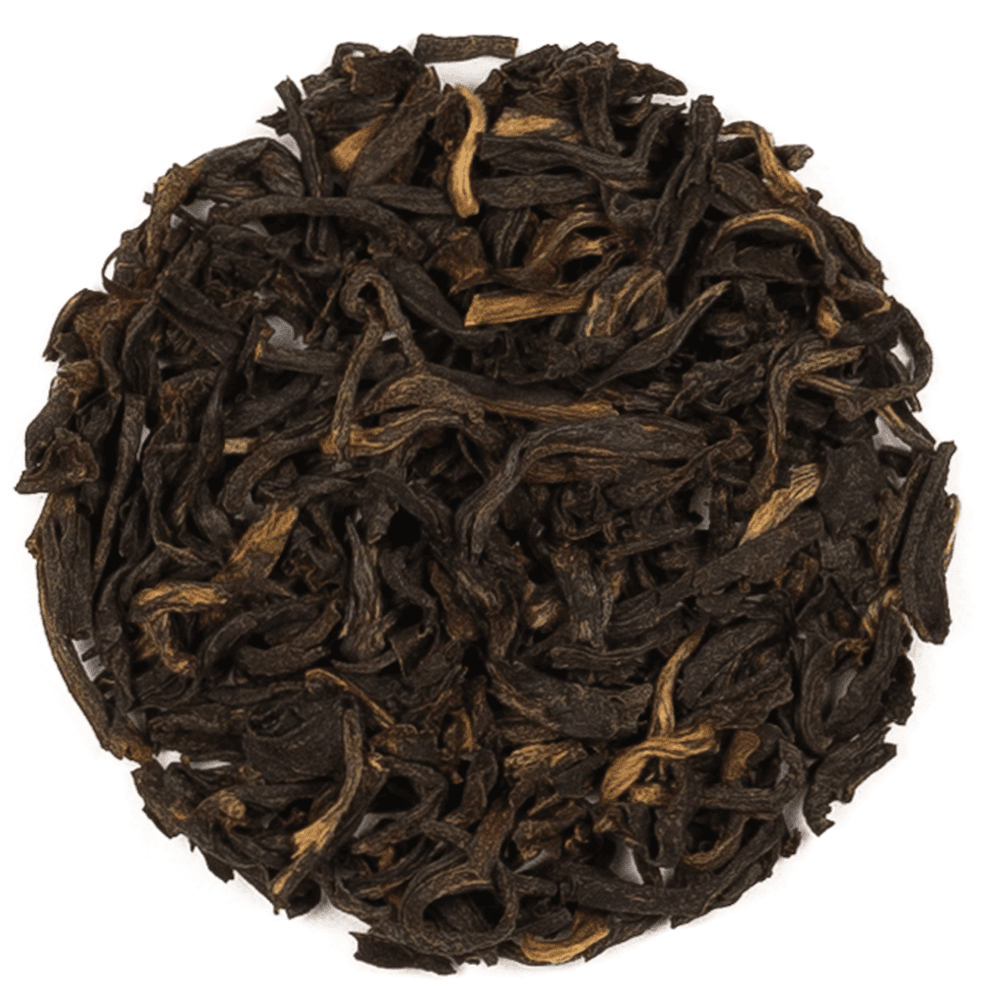
Dimbula sits between two high plateaus in Sri Lanka's Central Province, at elevations of 1,100 to 1,600 metres, and it was one of the first districts to take up Ceylon tea production back in the nineteenth century. Most people who live there still have some connection to the industry, and the district's tangled terrain and shifting microclimates leave a real mark on how the leaf turns out. This Orange Pekoe grade is picked once the buds have fully opened, giving larger leaves and a fuller character than a Flowery Orange Pekoe. In the cup it runs earthy and woody, with a smooth body, a touch of smoke, and notes of lemon, orange and honey that come through alongside the classic malty backbone — milk works well if you want to soften it. The liquor pours coppery and light rather than dark.
Steep it in freshly boiled water for five minutes. Serve it with milk, sugar, honey or lemon, or drink it black — all are fair game here, though the earthy, smoky character holds up fine on its own.
"Ceylon" as a name for the tea dates back to the colonial era; after independence, Sri Lanka kept it for the trade even though the country's name changed. Tea covers only around 4% of the island's land, yet Sri Lanka remains the fourth-largest producer in the world, and Dimbula's reputation within that industry is a long-standing one. Black tea in general has long been drunk as a pick-me-up, and this one carries roughly 45mg of caffeine per 8-ounce cup — enough to do the job in the morning without overdoing it.