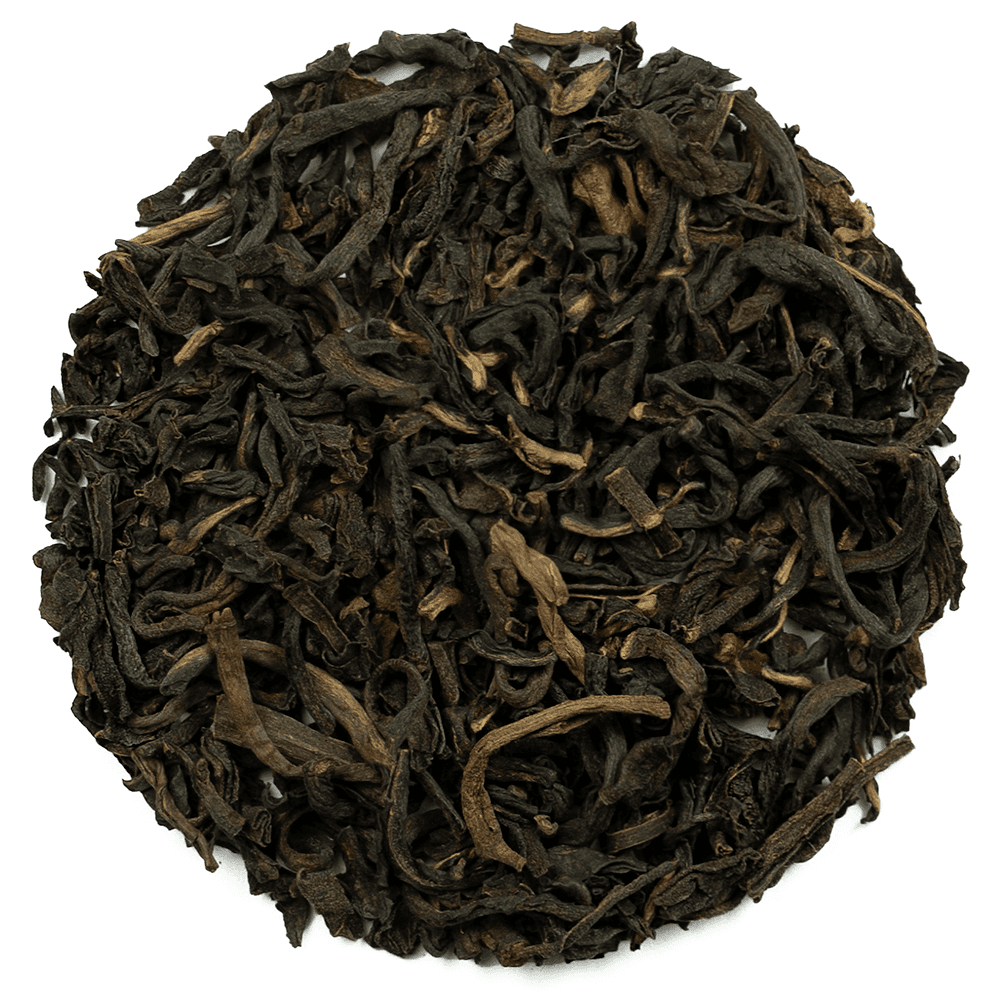
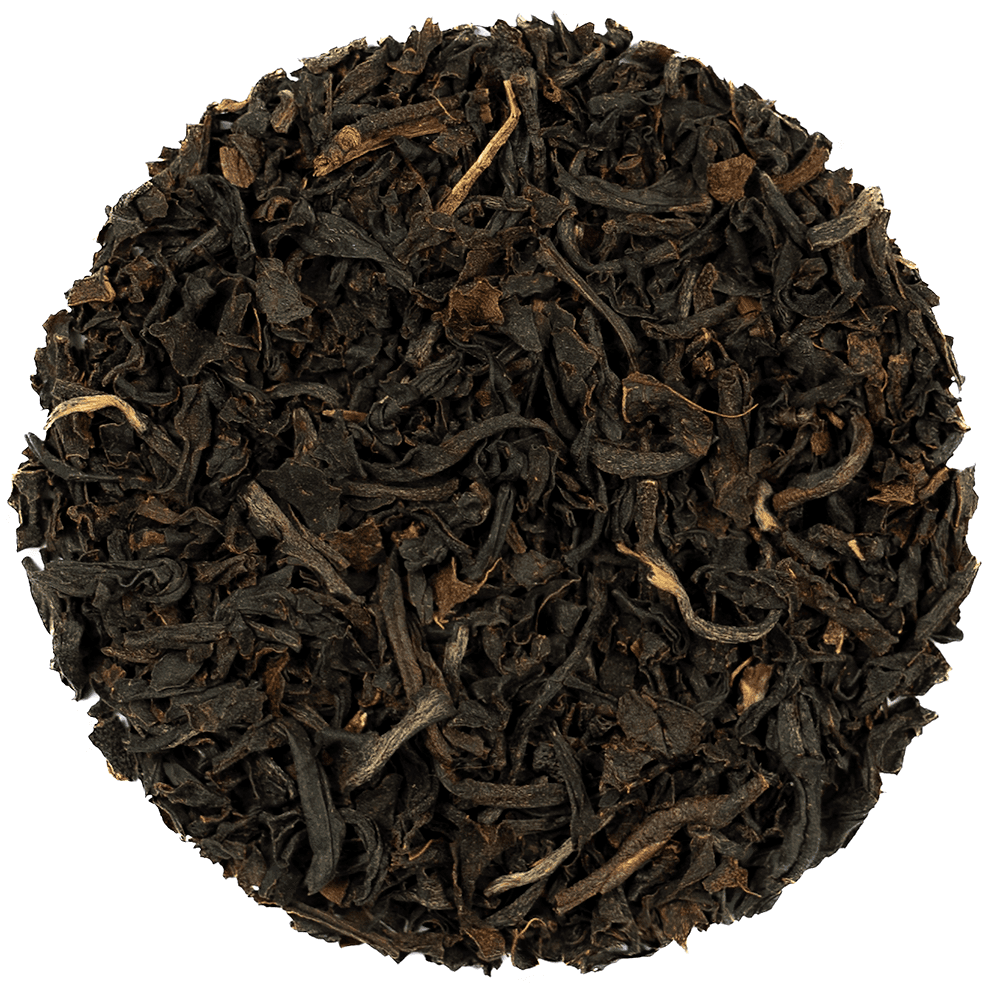
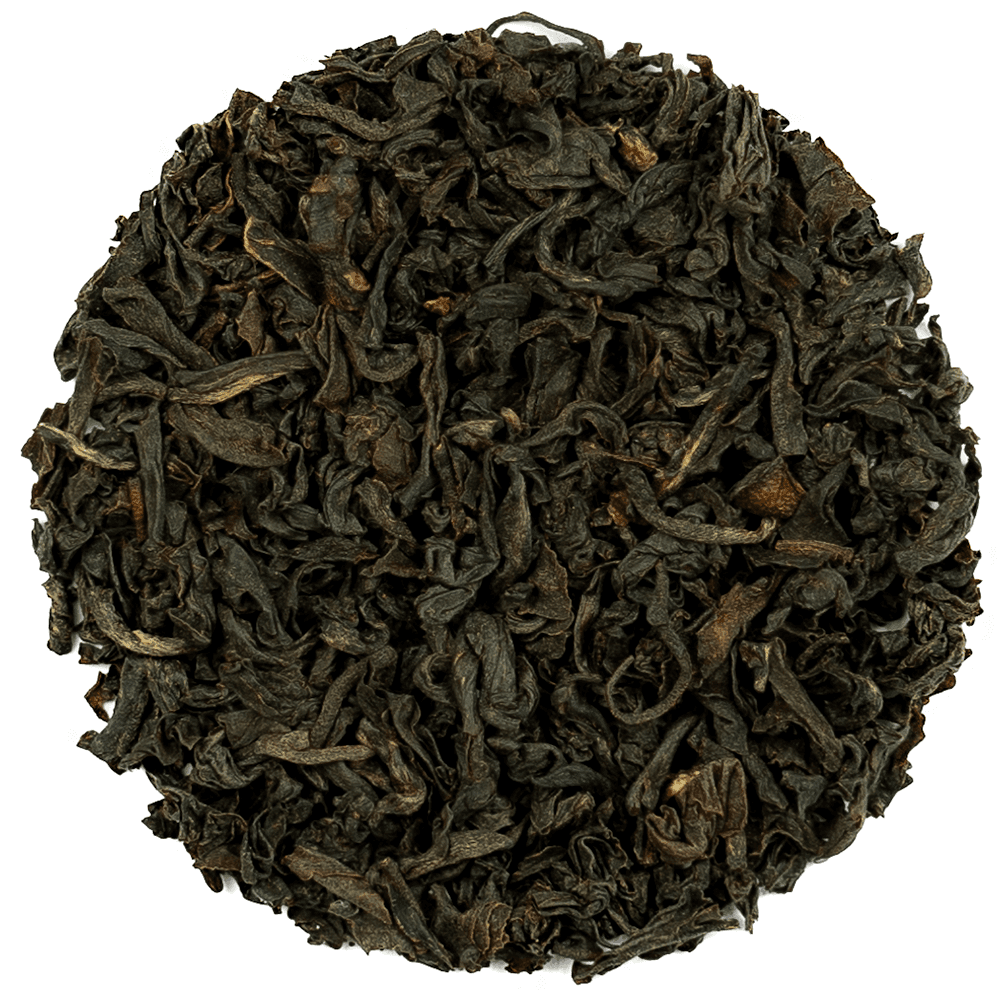
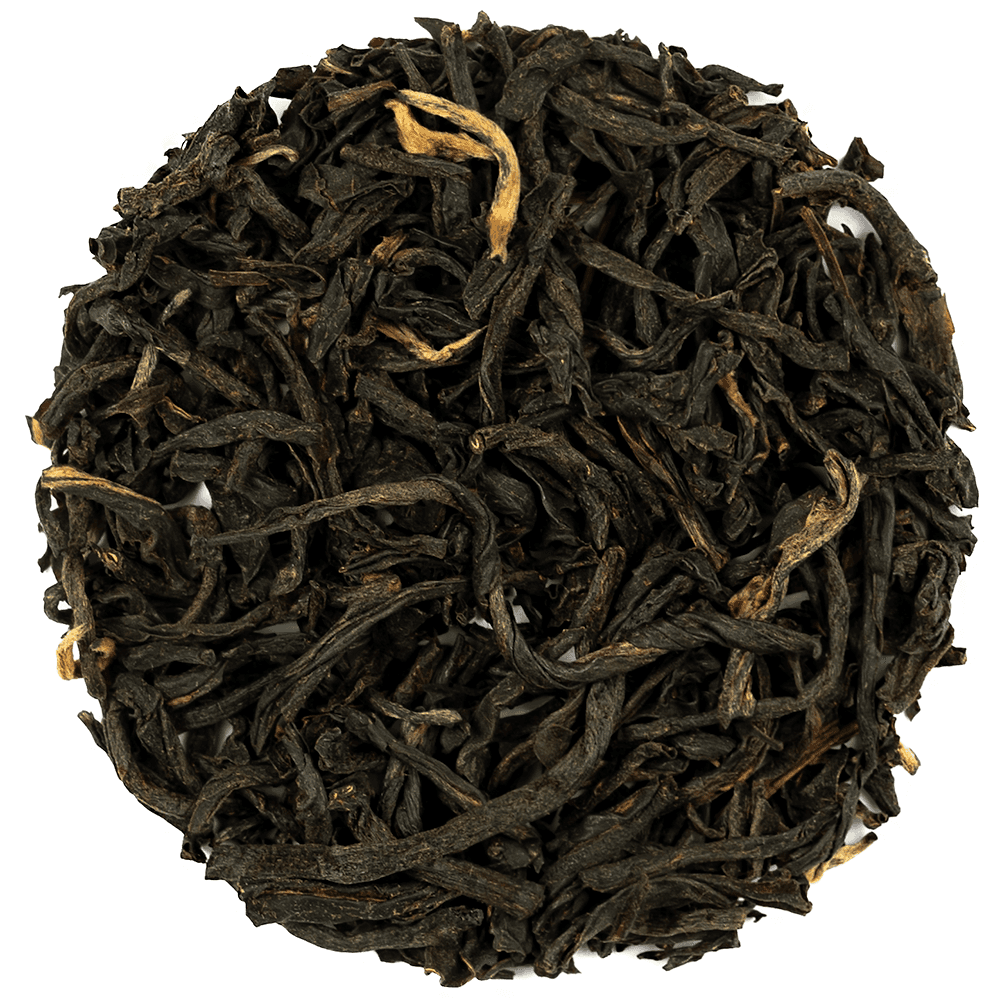
Broken Orange Pekoe describes the leaf grade here: the leaves are broken into smaller pieces, which tends to give a stronger cup than whole-leaf styles. This one pours coppery and light in tone, with a strong malty flavour underpinned by fruity notes reminiscent of currants — closer to lemon and orange brightness than anything dark or smoky, rounded out with honey.
The tea comes from the Kambaa Tea Estate in Kiambu district, about 60 kilometres west of Nairobi, in the highlands east of the Great Rift Valley at 5,500 to 6,500 feet. The factory was established in 1974 and works as a collection point for smallholders rather than a single plantation: over 5,400 small farms supply it with leaf, and the factory in turn advises them on fertilisers, pruning, plucking and weed control. Output has grown from around 10 million kilos of green leaf to 15 million today, helped by a centralised collection system that keeps the leaf fresh on its way in. That consistency has put Kambaa among the top 20 Kenyan tea gardens for quality, and its leaf commands strong demand and good prices at the Mombasa auctions.
Kenya's tea industry is comparatively young. It began in 1903, when G.W.L. Caine planted Camellia sinensis var. assamica purely as an ornamental, and it wasn't until 1918, when Arnold Butler McDonell tried planting it as an actual crop, that the industry took off in earnest.
Brew it with freshly boiled water for three to five minutes. It takes milk, sugar, honey or lemon well, or drink it black. Black teas like this one carry plenty of antioxidants and have long been drunk with an eye to cardiovascular health, digestion and general wellbeing. Tea & Coffee packs this one fresh to order rather than holding stock.