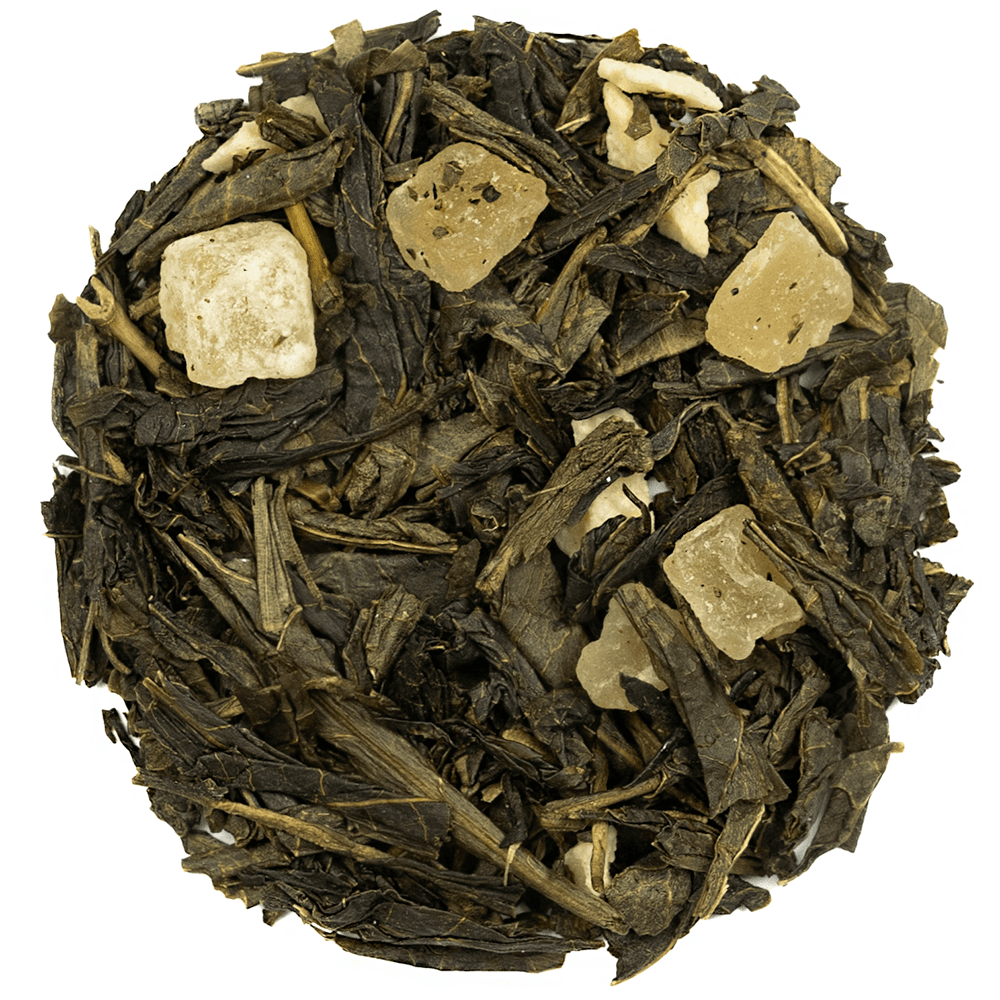
Joonktollee Tea Estate sits in the hills of Upper Assam, on 485 hectares first planted more than a century ago by Sir William Walker McNeill, who brought premium tea stock over from Taiwan. Over the decades the estate has grown into a producer of green, black, oolong and white teas, with leaves across the property still picked by hand to keep the flavour consistent from bush to cup.
In the cup, this green tea is crisp and lively, built on mild vegetal notes that call to mind freshly cut grass and steamed beans. A gentle sweetness gives way to a light dryness, with nutty and floral undertones running underneath, plus hints of lemon, honey and mint. The finish has an invigorating edge that tends to pull you back for another sip, and it is easy-drinking enough to suit both newcomers to green tea and people who have been drinking it for years. Caffeine sits in a moderate range, roughly 30 to 40 mg per cup, enough for alertness without the jitters that come with stronger teas.
Green tea's antioxidants are traditionally valued for supporting general wellbeing, though that is best treated as long-held tea lore rather than settled fact. On the growing side, the estate has put money into eco-friendly practices, including a solar power project tied to India's Clean Energy Policy, alongside its focus on the leaf itself.
To brew, use about a teaspoon of loose leaves per cup and water heated to 85°C, since greens like this one lose their delicate notes if the water runs much hotter. Steep for around two and a half minutes; leaving the leaves in longer tends to bring on bitterness. Strain them out and drink the tea plain, or add a touch of lemon, honey or mint. Once opened, keep it in an airtight container somewhere cool and dark, and use it within twelve to twenty-four months for the best flavour.