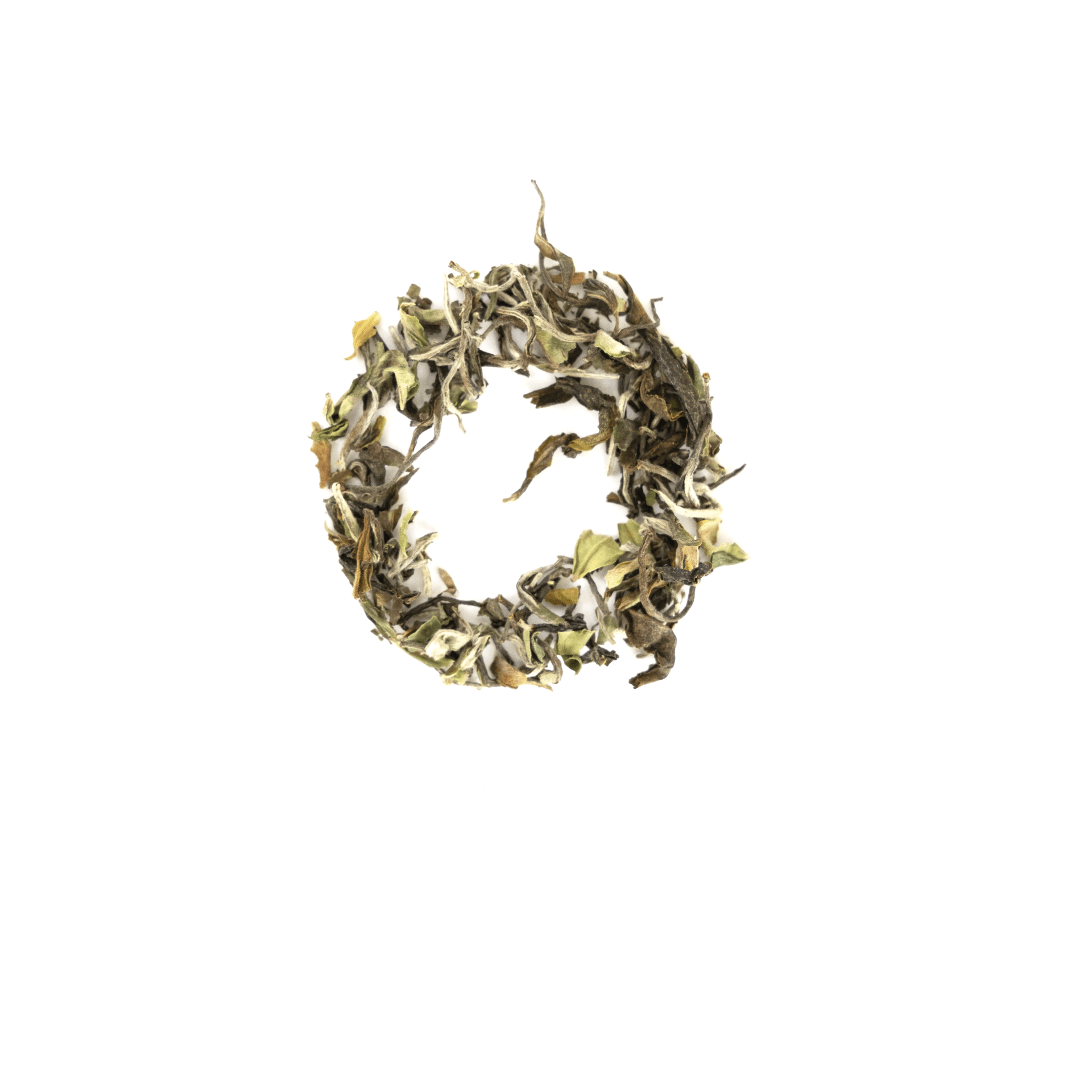
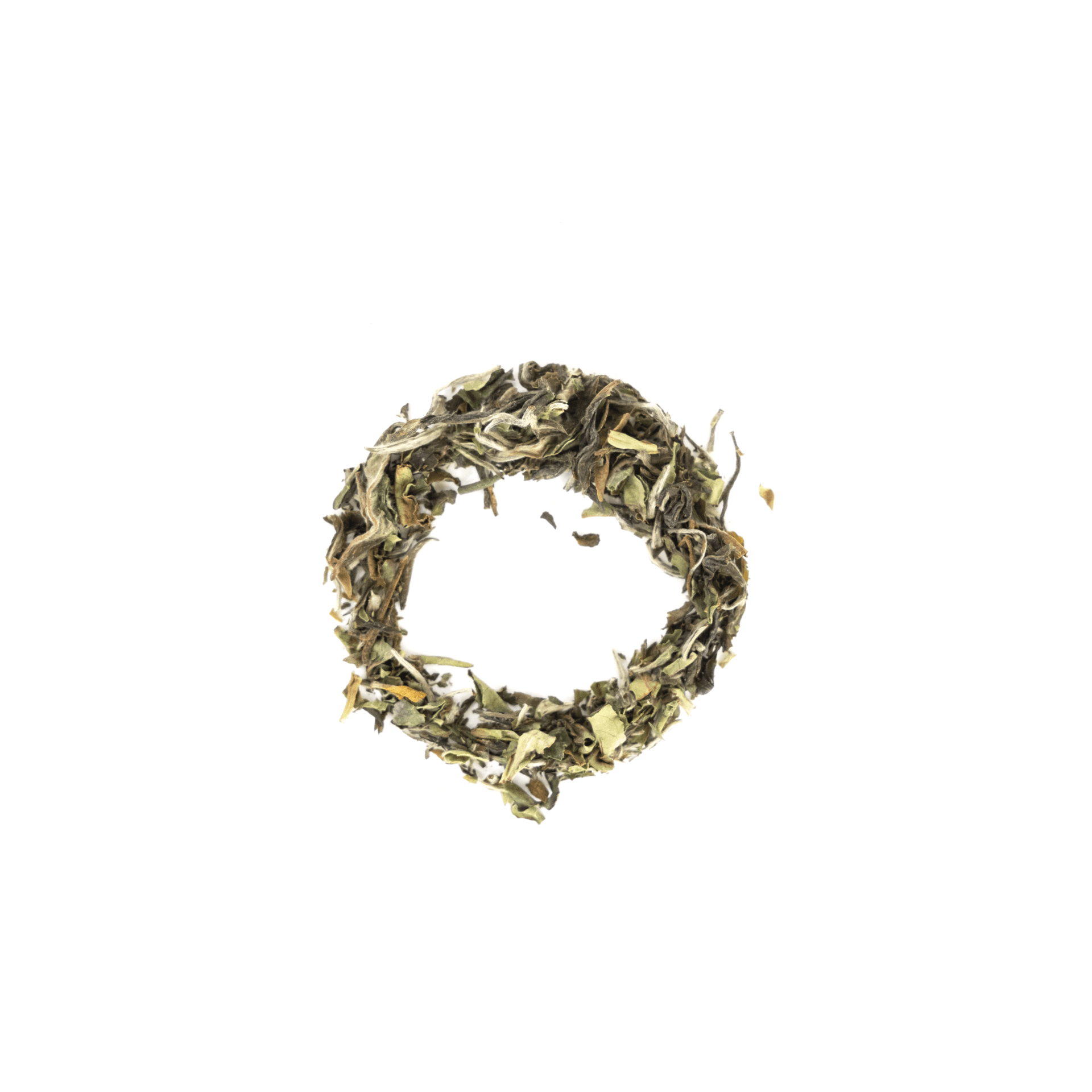
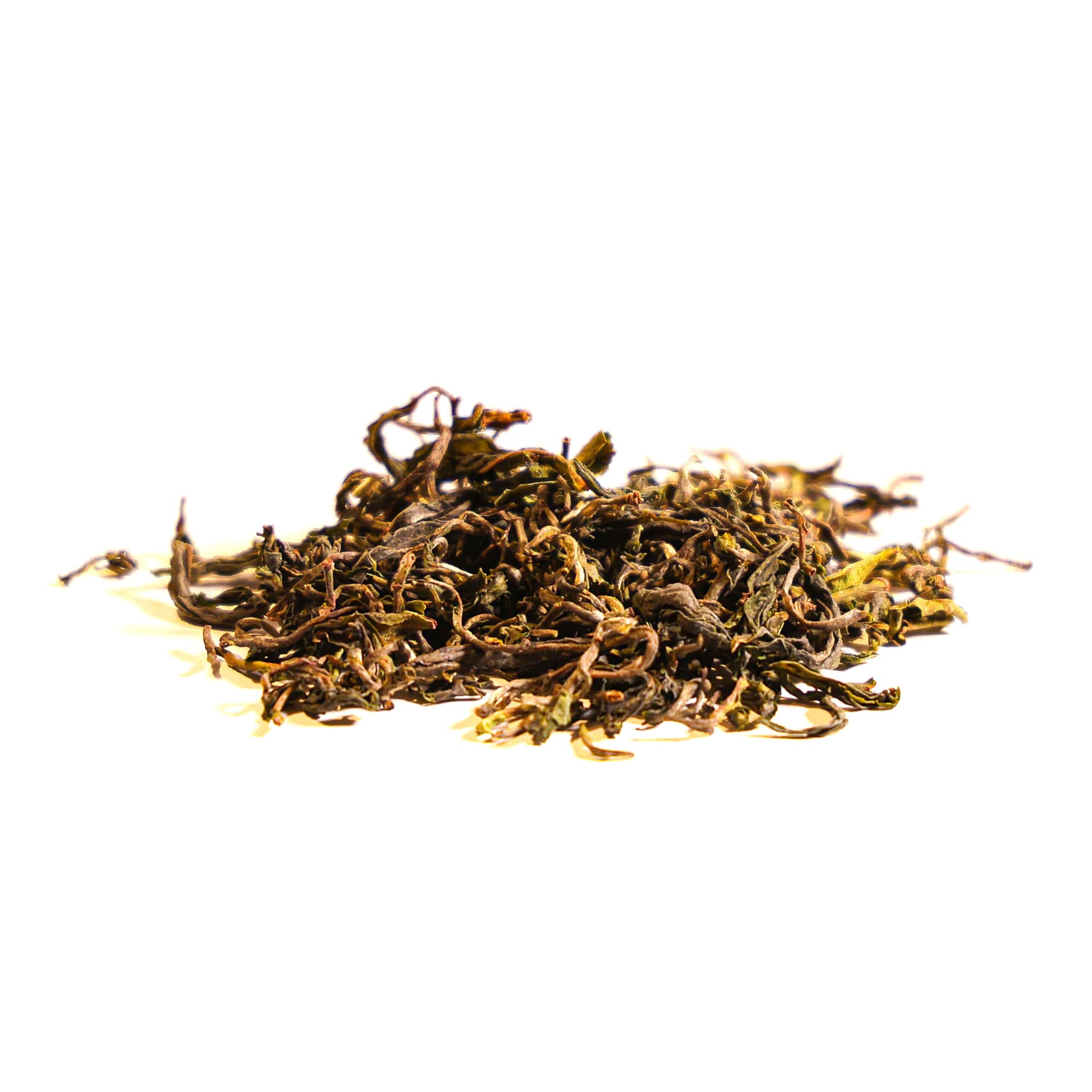
Happy Valley sits in the Darjeeling hills, one of the oldest estates in the region, and its cup is where you feel that pedigree: floral and fruity up front, with the muscatel grape note this district is known for, then date and a damp forest-floor depth underneath as it cools. The texture holds some weight too — thicker than you'd expect from a black tea this aromatic.
The estate spreads across roughly 440 acres, with gardens planted between 2,100 and 2,750 metres — a wide elevation range that gives the leaf plenty of variation in character depending on which slope it came from. Cool, moist air and fertile soil in that stretch of the Himalayan foothills are what the region's tea growing depends on. Tea & Coffee, who sell this lot, note that Happy Valley has moved toward organic cultivation and processing over the years, skipping chemical pesticides and fertilisers, and that the estate runs a rainwater harvesting system for irrigation rather than leaning on groundwater. It's also invested in the surrounding community, supporting local schools and other facilities for workers and their families, and its practices have drawn certification from groups including Fairtrade, Rainforest Alliance, and UTZ. Production is oriented toward orthodox-method Darjeeling tea, with the estate capable of turning out up to 100,000 kilograms a year.
To brew it, use water just off the boil, around 87°C, and give the leaves about five minutes. That's gentler than a full rolling boil, which keeps the more delicate floral notes from scorching. Traditionally this tea is taken plain, no milk, so the muscatel character comes through unmasked — though a splash of milk or a bit of sugar isn't out of place if you prefer it that way. It reads as an easy morning tea or a slower afternoon pour, depending on when you reach for it.