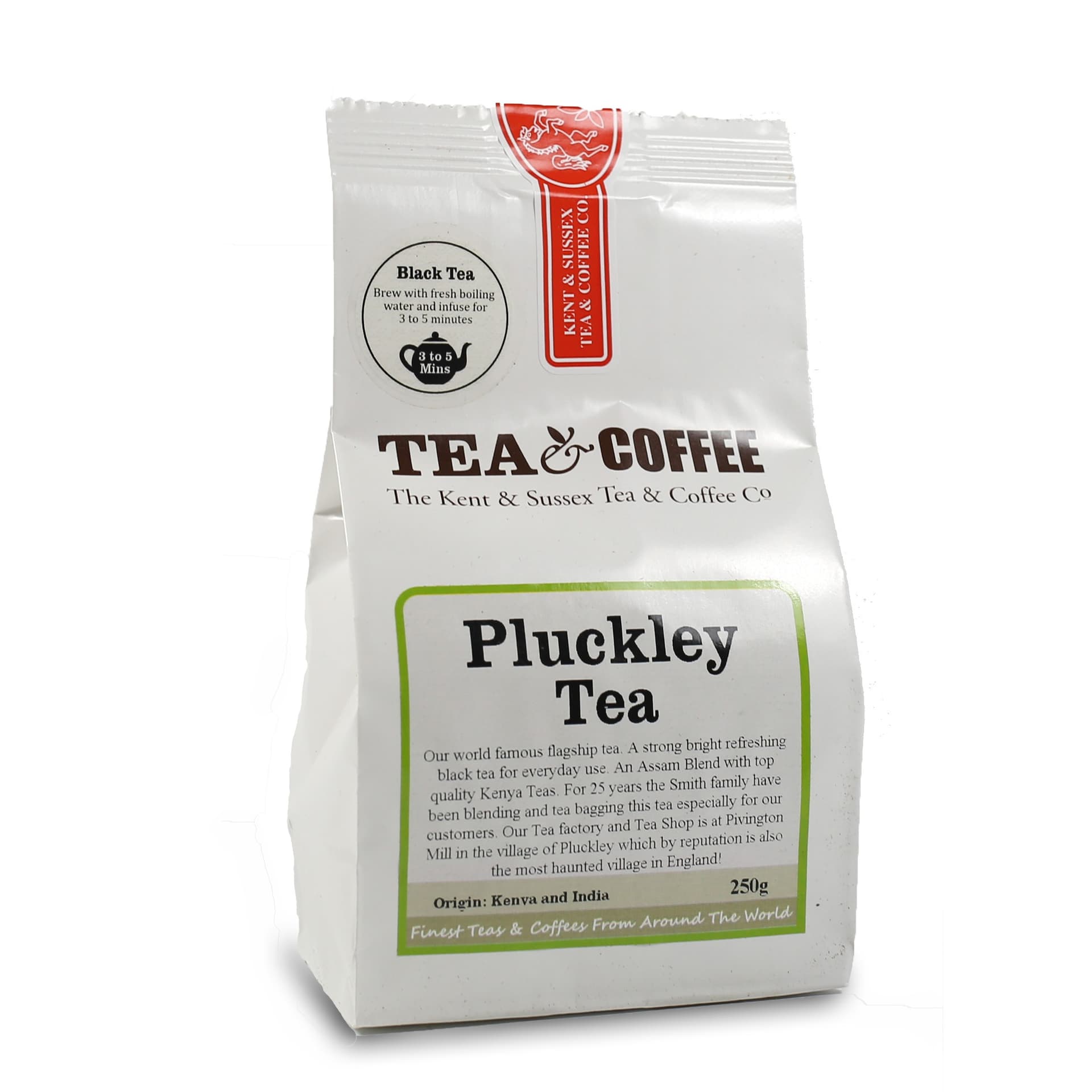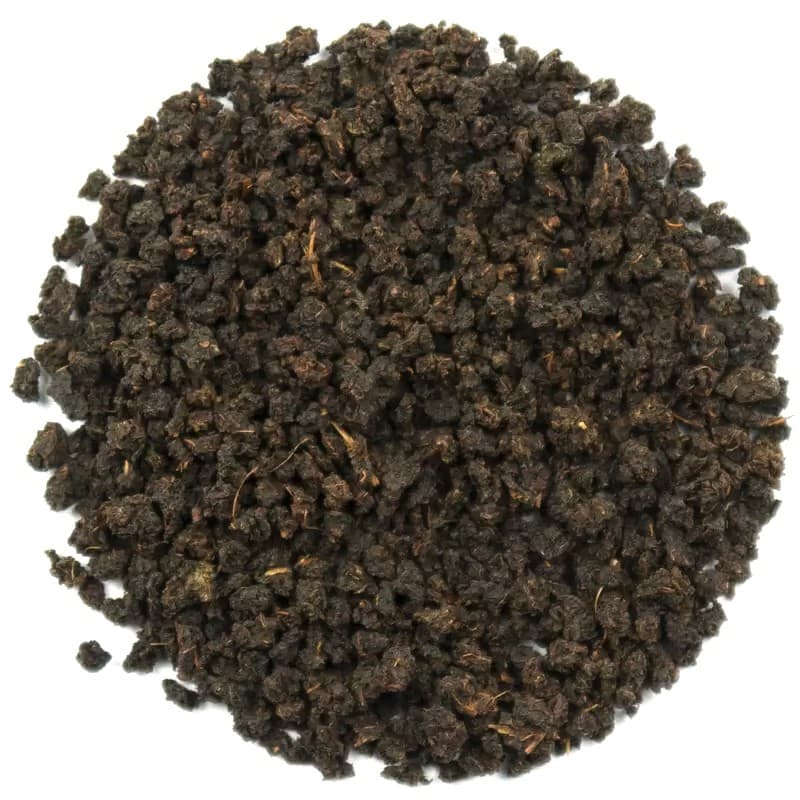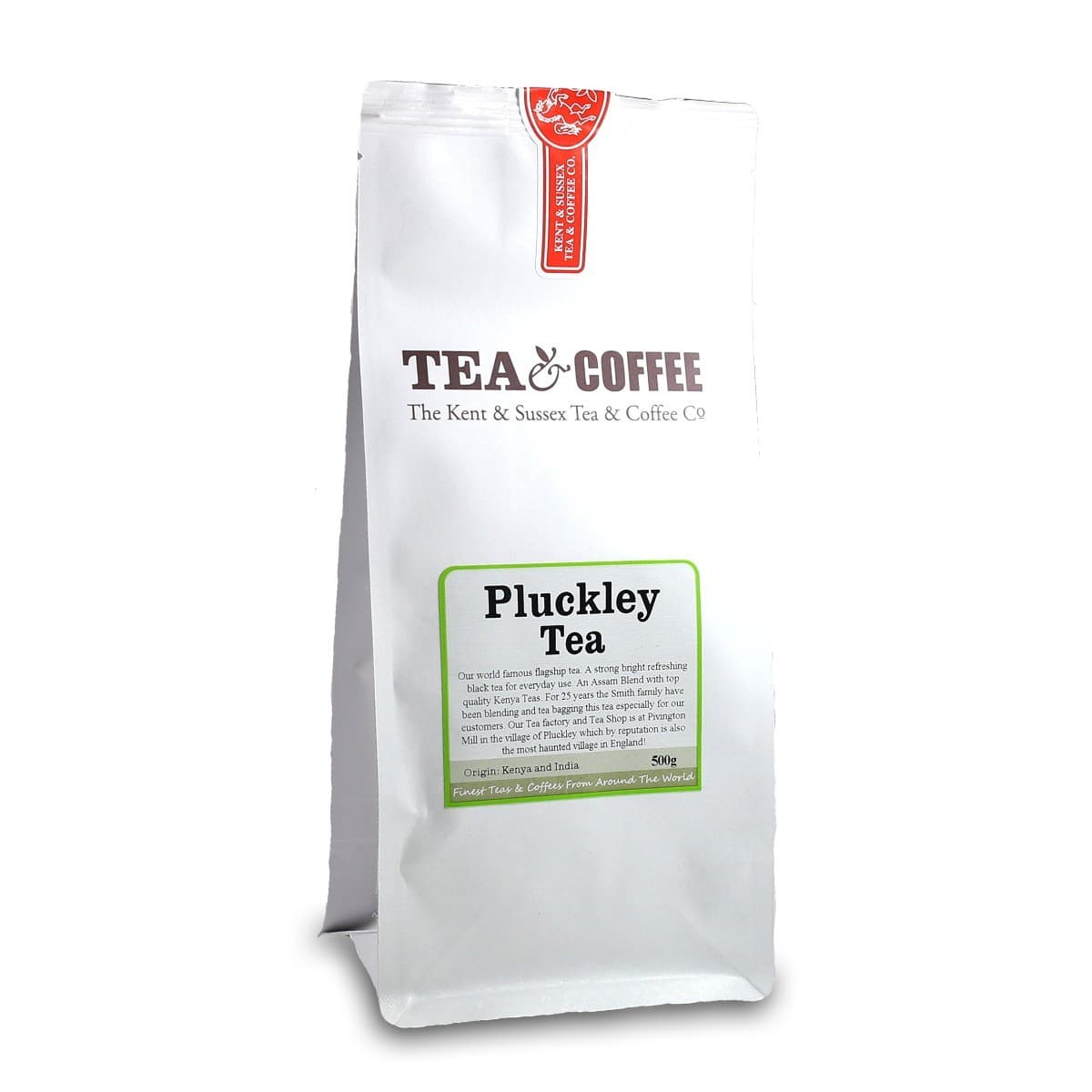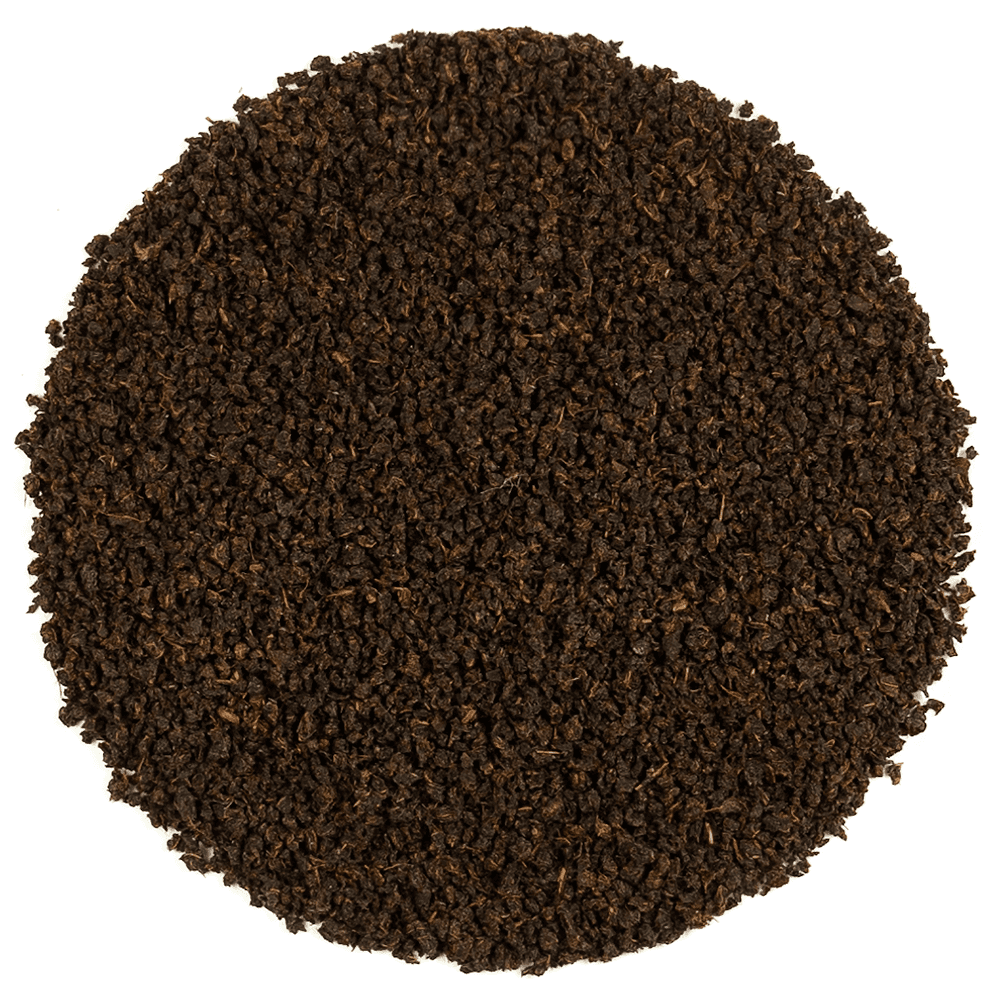
Malt and earth dominate the cup, the classic profile of a well-made Assam. This is a TGFOP1 grade from the Moran Estate, one of the more prestigious gardens in Dibrugarh district. The district sits along the Brahmaputra River, and the fertile soil, local climate and the work that goes into picking and processing the leaf all shape what ends up in the cup. Kent and Sussex Tea and Coffee Company packs it fresh to order.
Assam tea is a relatively recent arrival next to tea from China: production only began in the 19th century, after a Scotsman named Robert Bruce came across the plant and helped start the local industry. Assam now produces around 55 percent of India's total tea output, and its leaf forms the base of many blends, Chai among them, where local herbs and spices are added to the tea.
In the cup, look for a coppery, dark liquor with bold malty notes and earthy hints underneath. A loose-leaf cup carries roughly 45mg of caffeine per 8oz serving, enough for a proper morning lift. Brew with freshly boiled water and infuse for three to five minutes. Serve it with milk, sugar, honey or lemon, or take it black and let the malt come through on its own.
Assam tea has long been credited with a range of traditional benefits: aiding digestion, supporting the immune system, helping skin health and sharpening focus, put down to the vitamins, minerals and antioxidants in the leaf. Some research suggests those antioxidants may help the body counter the effects of oxidative stress, though this is traditional use rather than a proven treatment for any condition. None of that is the reason to reach for this tea on a cold morning, though; the reason is the malt.