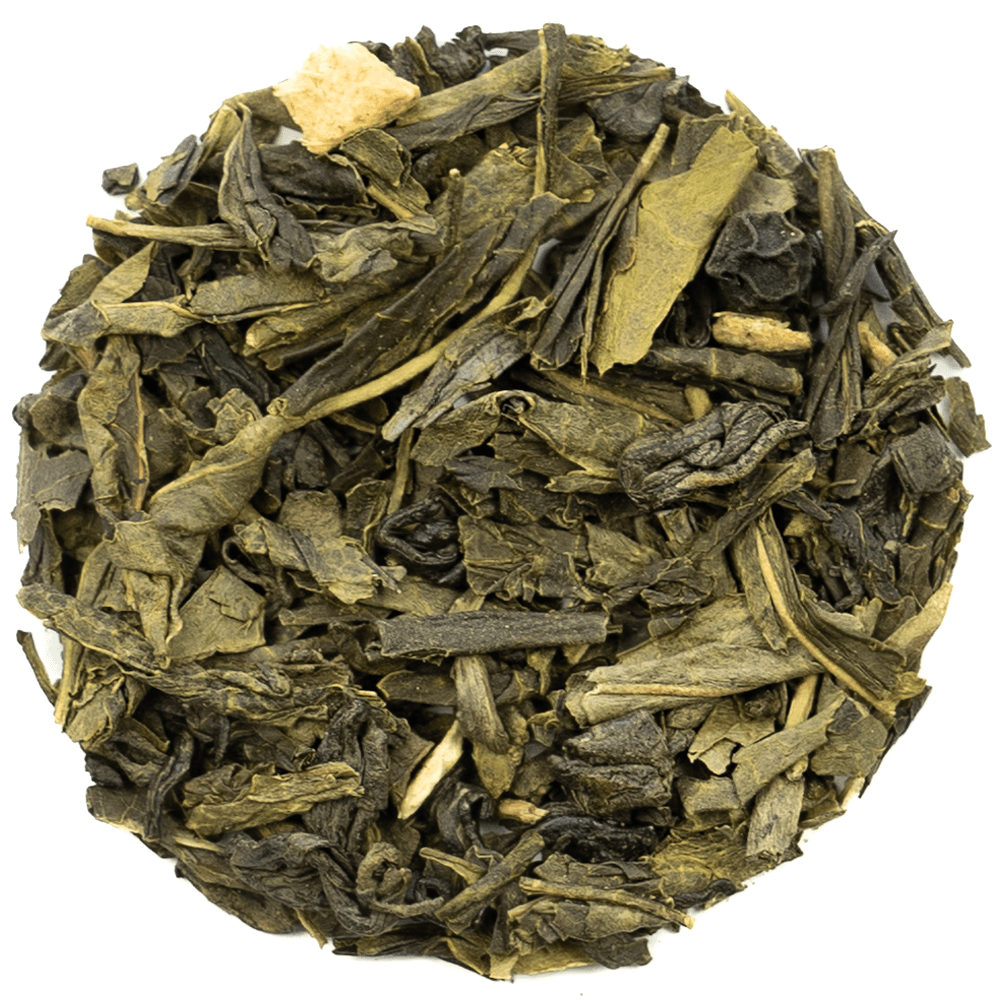
In the Pussellawa Valley, high in Sri Lanka's Nuwara Eliya district, this green tea's story starts in 1914, when the estate switched from coffee to tea after disease swept through the region's coffee plantations, a shift many Ceylon estates made around the same time. The valley sits at an altitude well suited to tea, and the leaves are still hand-picked before withering, rolling and drying by hand. A newer factory, opened in 2004, is dedicated entirely to green tea production, using Chinese Camellia sinensis var sinensis plants rather than the Assamica varieties grown elsewhere on the island.
The cup pours a light yellow and carries mellow grassy notes alongside citrus and a background of spice, with a sweetness that recalls ripe fruit. Some tasters pick up a faint coffee-like note, a fitting echo of the estate's own history. The body is velvety rather than thin, the finish crisp and fragrant, and the aftertaste lingers pleasantly rather than fading quickly. An 8-oz cup holds roughly 30mg of caffeine, enough for a gentle lift without overstimulation, which makes it as suited to a slow morning as to an afternoon pick-up.
Green tea's antioxidants have long been credited with supporting brain function, digestion, metabolism and heart health, though the evidence behind most of these claims remains preliminary and shouldn't be mistaken for a guarantee. Drink it for that tradition if it interests you, or simply for the flavour, which stands well enough on its own.
To brew it, use one teaspoon of leaves per cup with water cooled to about 80°C, and steep for two and a half minutes before straining the leaves out. Most people drink this one plain, though there's room for a slice of lemon or a little honey, both of which echo notes already present in the cup. Keep the leaves in an airtight container, away from light, heat and moisture, and the aroma will hold up well over time.