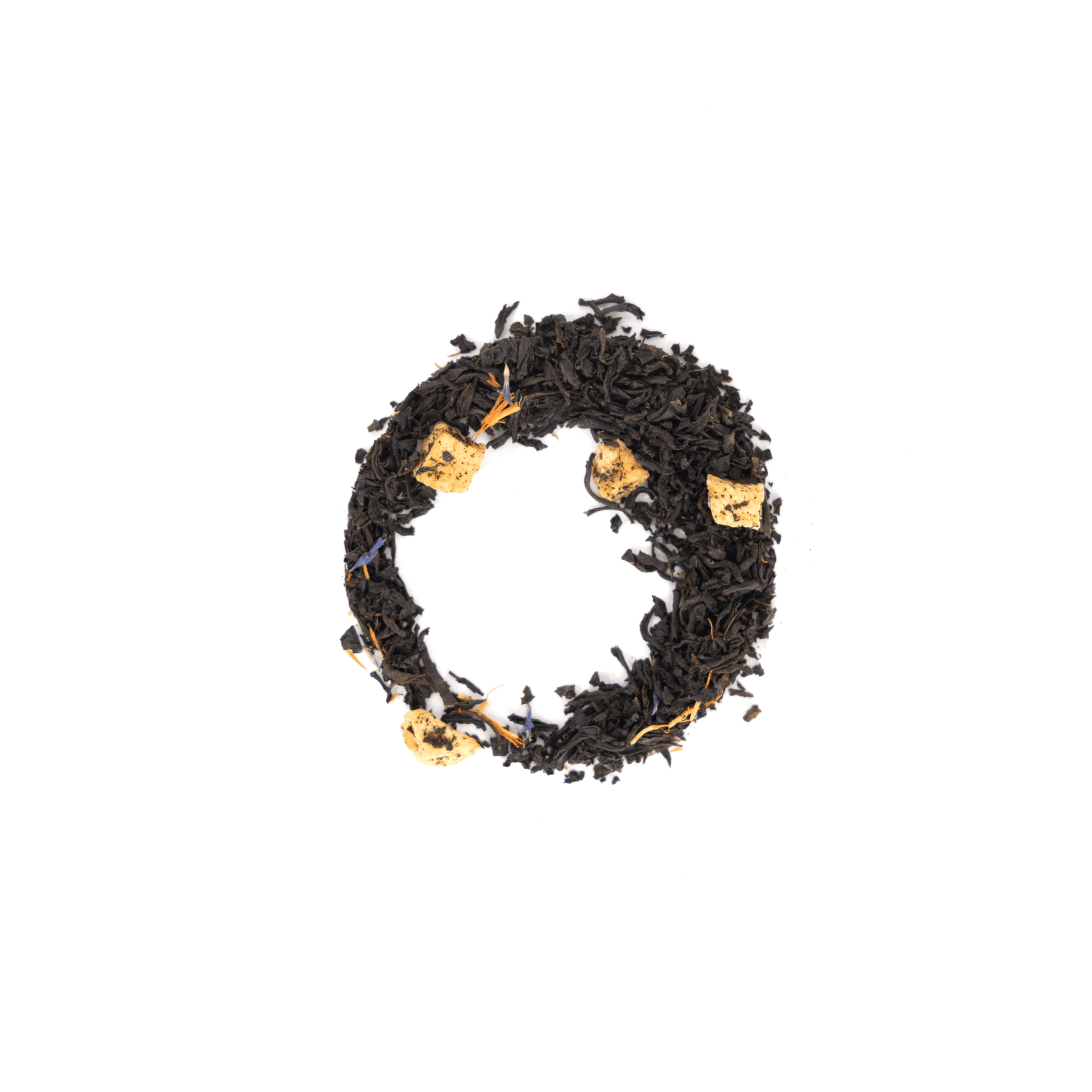
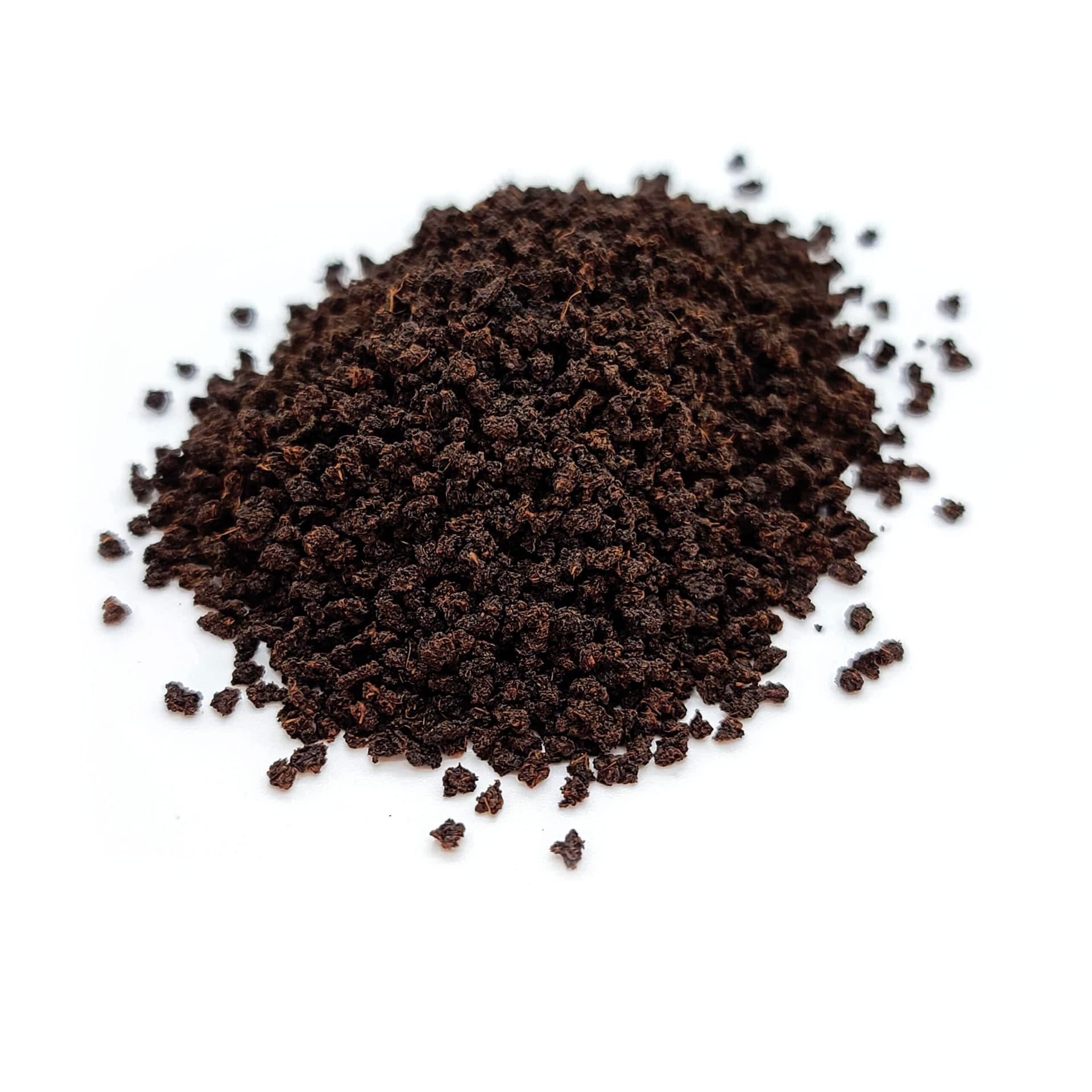
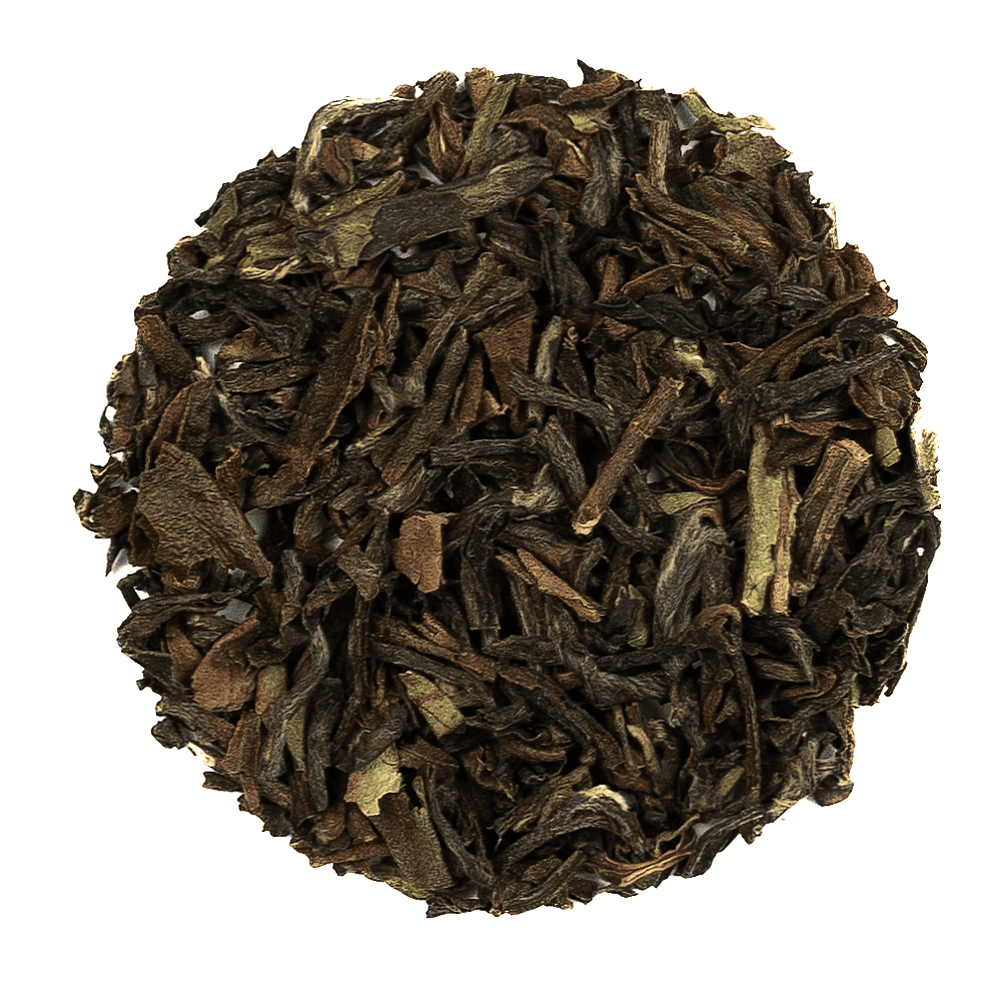
Coconut and China black tea leaves get blended together here, and the pairing works because the tea has enough backbone to carry the sweetness rather than being swamped by it. Tea & Coffee sources loose leaf from China and folds in real coconut pieces, then packs each batch fresh to order at its factory in Pluckley, out in the Kentish countryside, so what arrives is meant to be close to freshly blended rather than sitting in a warehouse for months.
In the cup, expect a straightforward black tea character first, a bit of smoke and a firm, almost coffee-like grip, before the coconut comes through as cream and honeyed sweetness rather than anything sharply tropical. Thick-bodied and lingering, it reads more like a dessert tea than a fruit infusion, though there's tropical fruit at the edges too. It holds up plain, and it holds up with milk, which says something about how well the two components are balanced rather than one simply masking the other.
Black tea is generally credited with antioxidant properties, and coconut has long had a reputation for supporting digestion and immune function; some drinkers also treat black tea blends like this one as a lighter, steadier alternative to coffee for an energy lift. None of that should be taken as more than traditional lore rather than anything clinically established. A cup made this way carries roughly 40mg of caffeine, modest by tea standards and unlikely to cause the jitters associated with coffee.
To brew, use freshly boiled water at 100°C, one teaspoon per cup, and let it steep for about four minutes before removing the leaves, adjusting either the quantity or the time to taste. Milk or a spoonful of honey both suit it if you want extra richness; taken plain, the coconut and cream notes still come through clearly. Keep leftover leaves in an airtight container, out of direct sunlight and away from strong odours, since loose tea picks up smells easily and loses its character if left exposed.