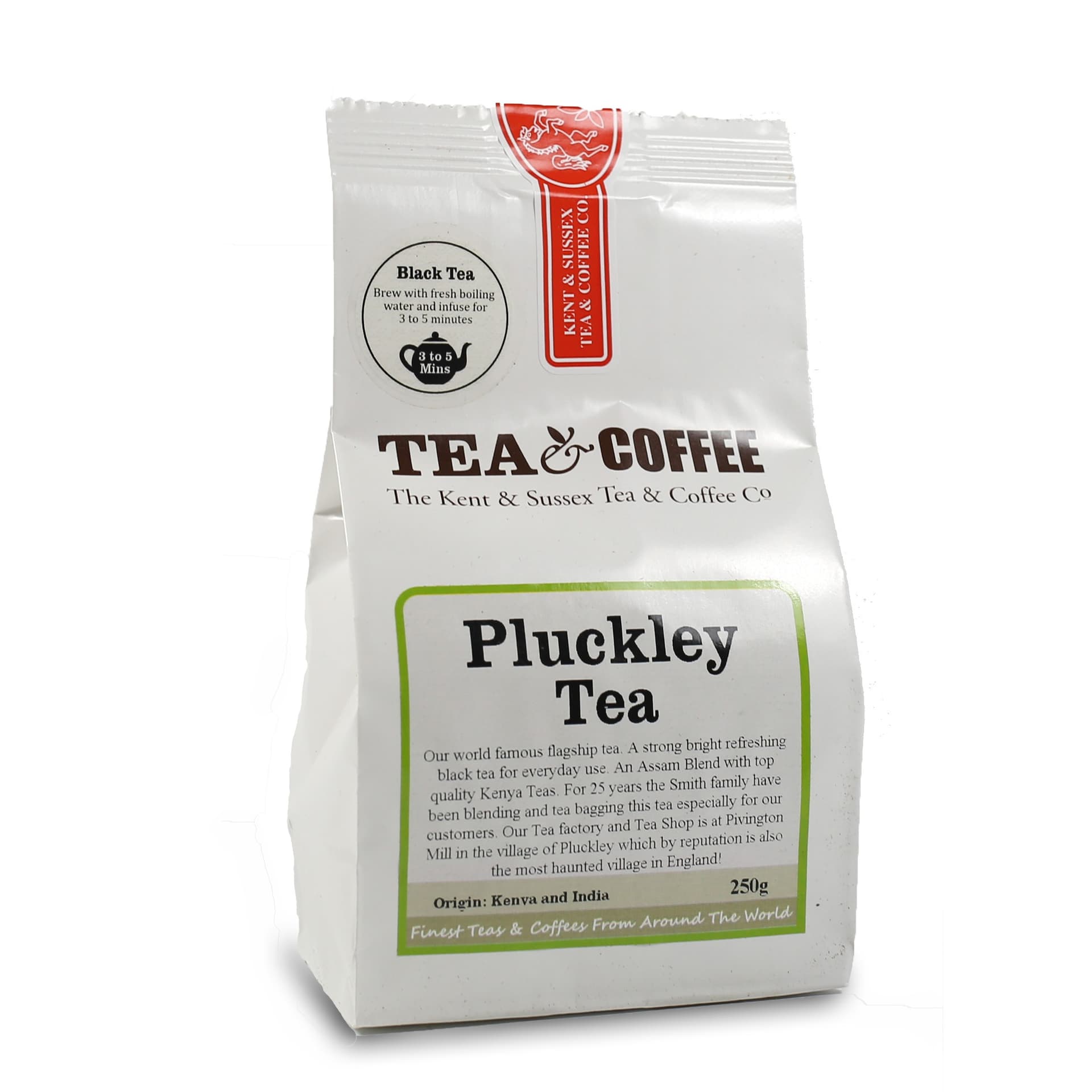
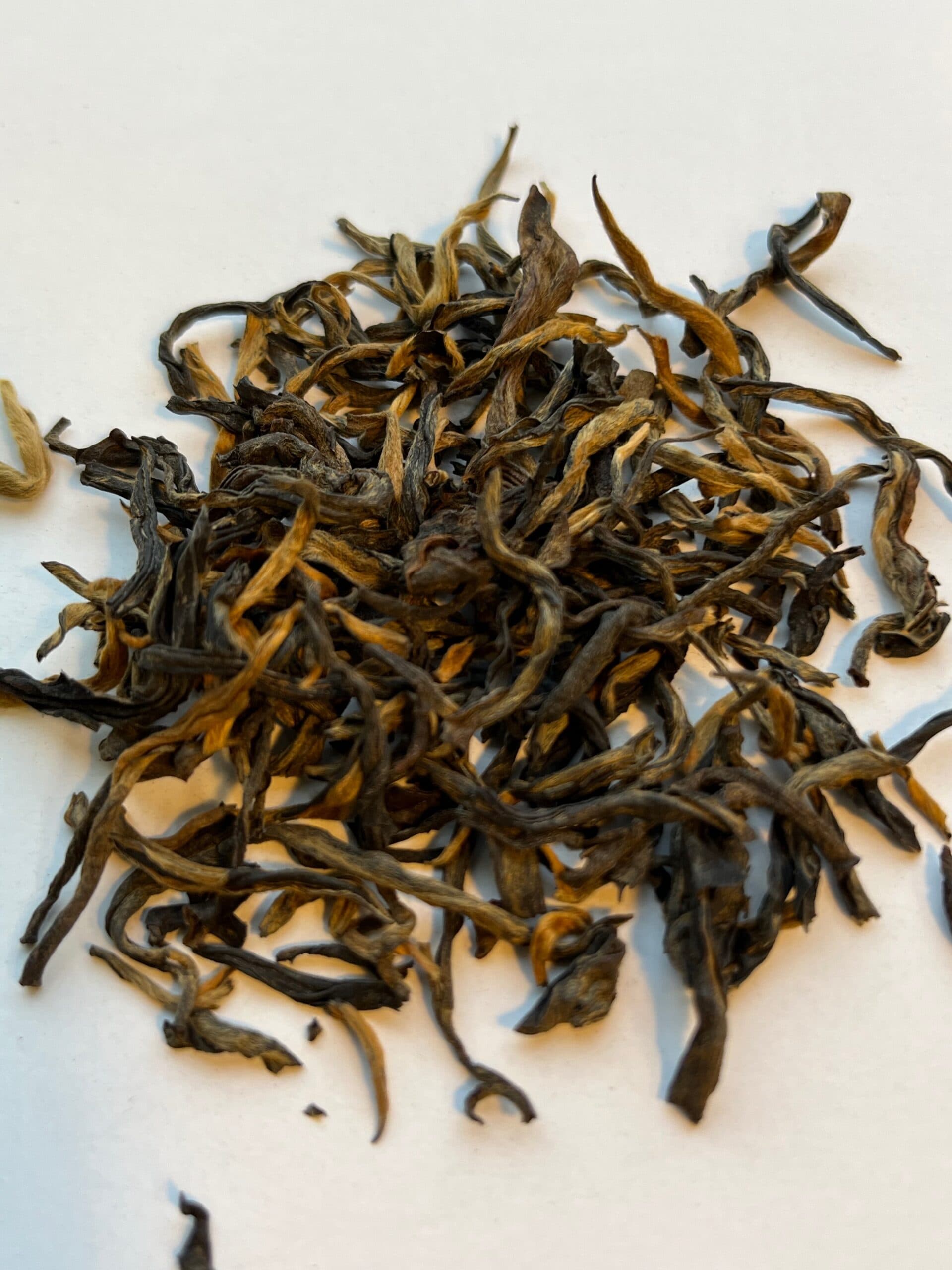
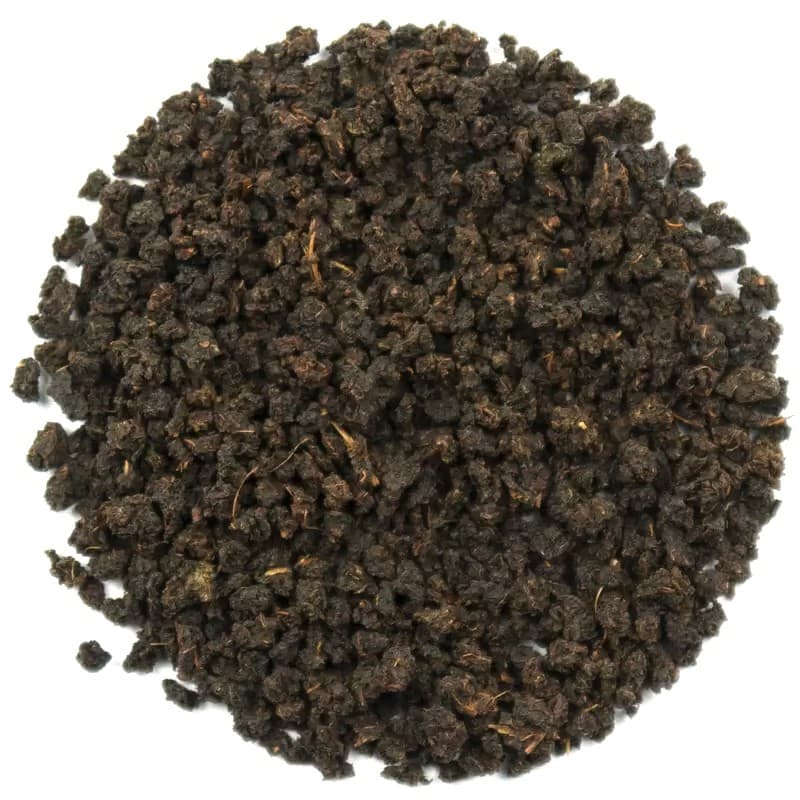
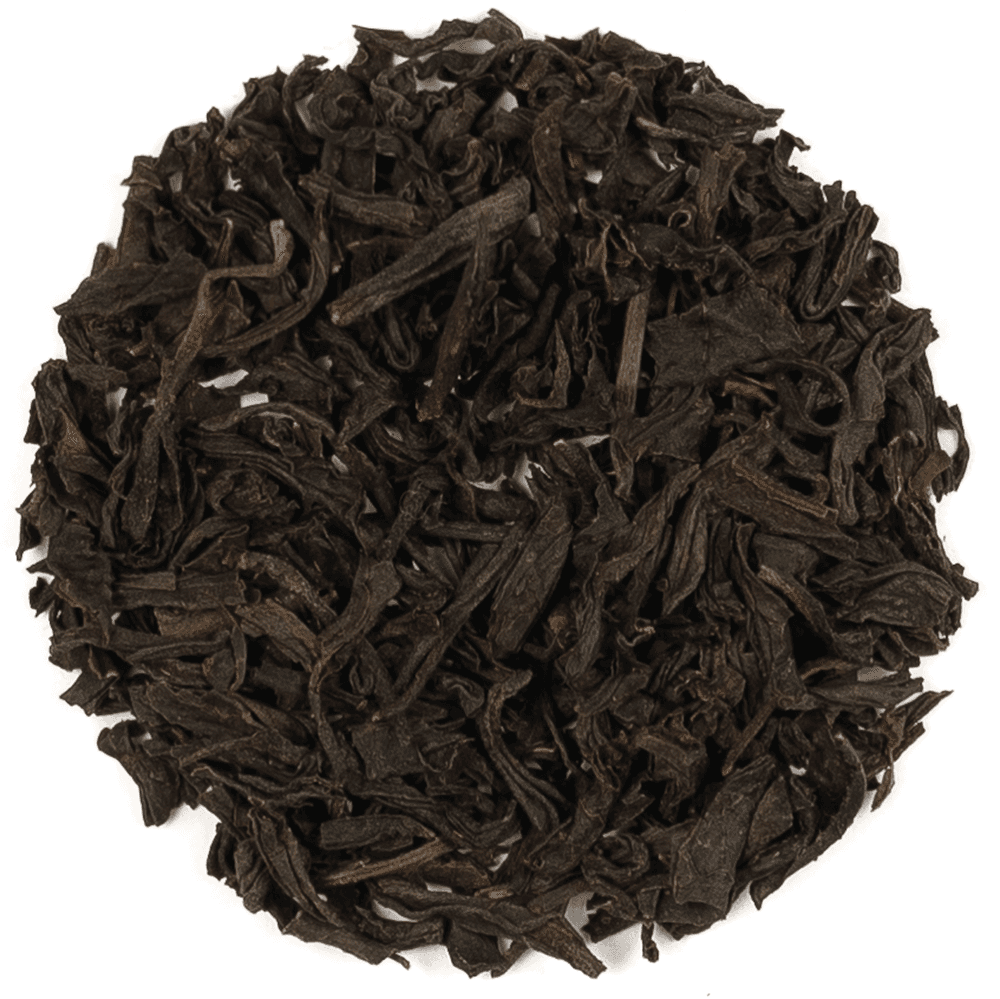
A brisk, malty cup with earthy undertones runs through this Kenyan black tea, poured amber and light in the cup. Kenya supplies roughly half of the UK's tea, and this one is single-estate, grown in association with the Kenya Tea Development Agency (KTDA). Tea arrived in the country only in 1903, when a Briton, G.W.L. Caine, planted it for ornamental purposes rather than for drinking. Its potential as a crop wasn't recognised until 1918, when a Scotsman named Arnold Butler took it seriously. Butler had bought Kiambethu farm, 20 miles from Nairobi at 7,200 feet, hoping to grow coffee there. That crop failed, along with everything else he tried, before tea proved itself and he built up 20 acres of Assam-variety Camellia sinensis. Kiambethu is still run by the McDonnell family today.
In the cup, expect sweet, almost chocolatey notes with smooth, earthy undertones, plus the lemon, honey, malt and vegetal character typical of the style. Black tea has long been drunk for its antioxidant content, and some traditional use extends to oral health and general wellbeing, though none of that should be taken as medical advice. To brew it, use freshly boiled water and infuse for three to five minutes. Serve it black, or take it with milk (dairy or an alternative), and sweeten with sugar, honey or lemon if you like.