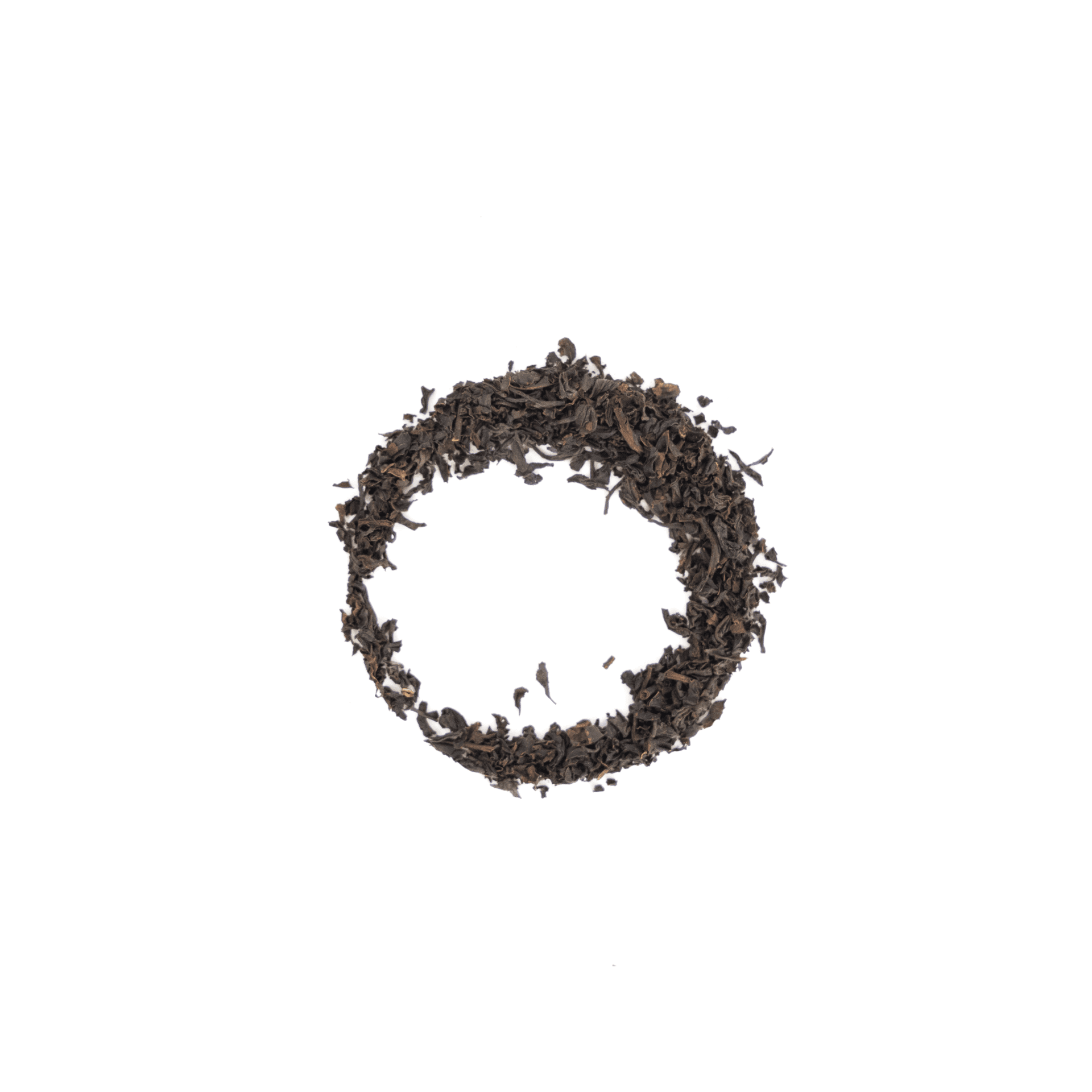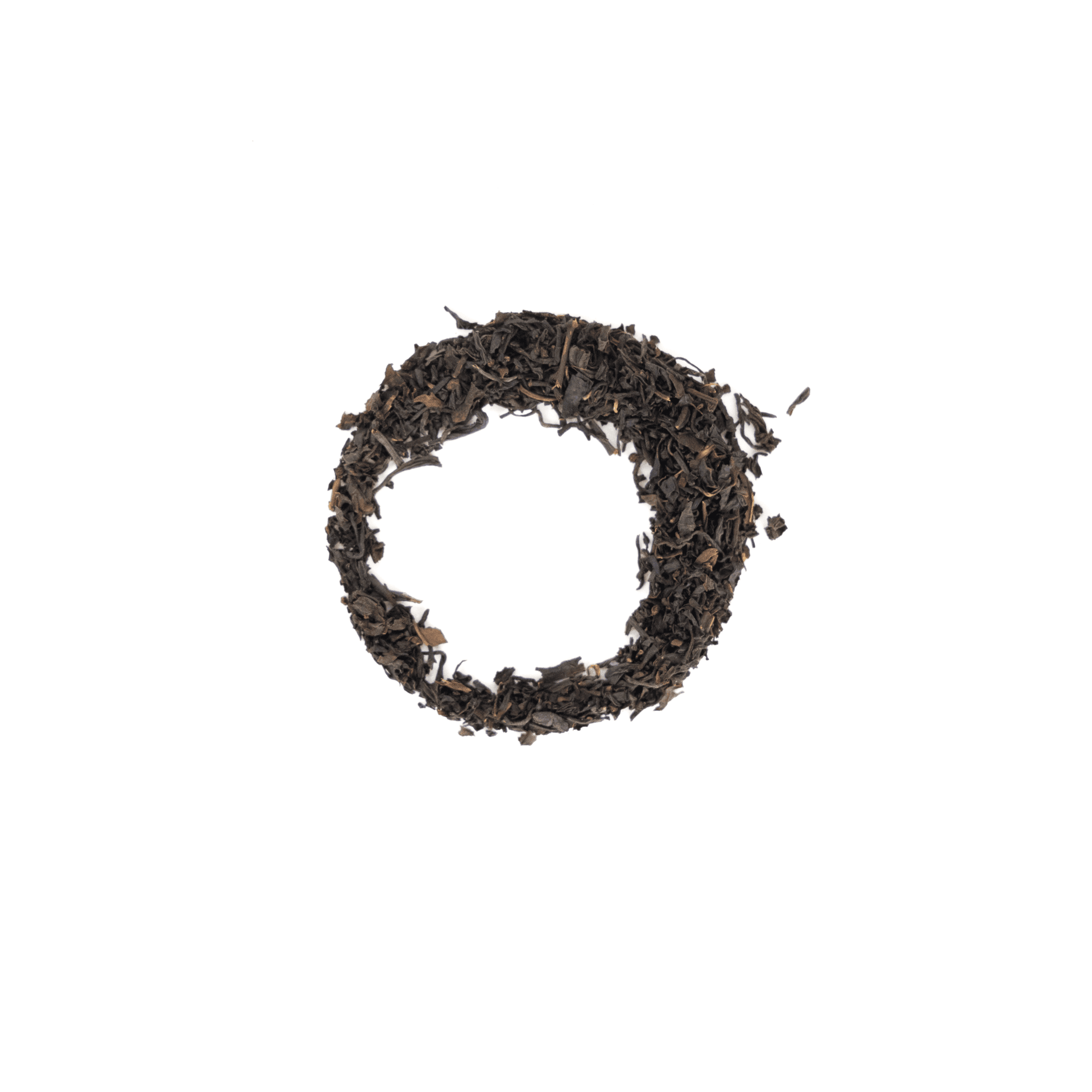
High in the Nilgiri Hills of southern India sits the Korakundah Tea Estate, among the highest-altitude tea plantations anywhere, with fields climbing past 8,000 feet inside the Western Ghats, a UNESCO World Heritage site. That altitude is part of what gives the tea its character: cooler, misty growing conditions that concentrate flavour and aroma in the leaf. The estate dates to the mid-19th century and takes its name from the Korakundah range itself, making it one of the oldest and most respected gardens in the Nilgiri region, and one still spoken of as a leader within the wider tea industry.
Korakundah was an early adopter of organic certification and continues to grow without synthetic pesticides or fertilisers. Leaves are still hand-plucked, with only the youngest and most tender shoots and tips selected for this Flowery Pekoe grade, a picking standard that keeps the leaf delicate while still giving the cup some body. It is a black tea, but a gentler one than most Nilgiri blacks, built more around florals than tannin.
Brewed at 95°C for three to four minutes, the tea produces a bright golden liquor with a smooth, medium-to-thick body and a brisk edge. The first sip carries natural sweetness against a gentle astringency, with citrus undertones running beneath more prominent floral notes. The finish is clean, leaving a floral trace and the faintest hint of earthiness. Served chilled, those same qualities turn crisper and more refreshing, so it is worth trying both hot and over ice. A splash of honey or milk suits it too, though the tea holds its own without either — good for a brisk morning cup or a slower evening one.