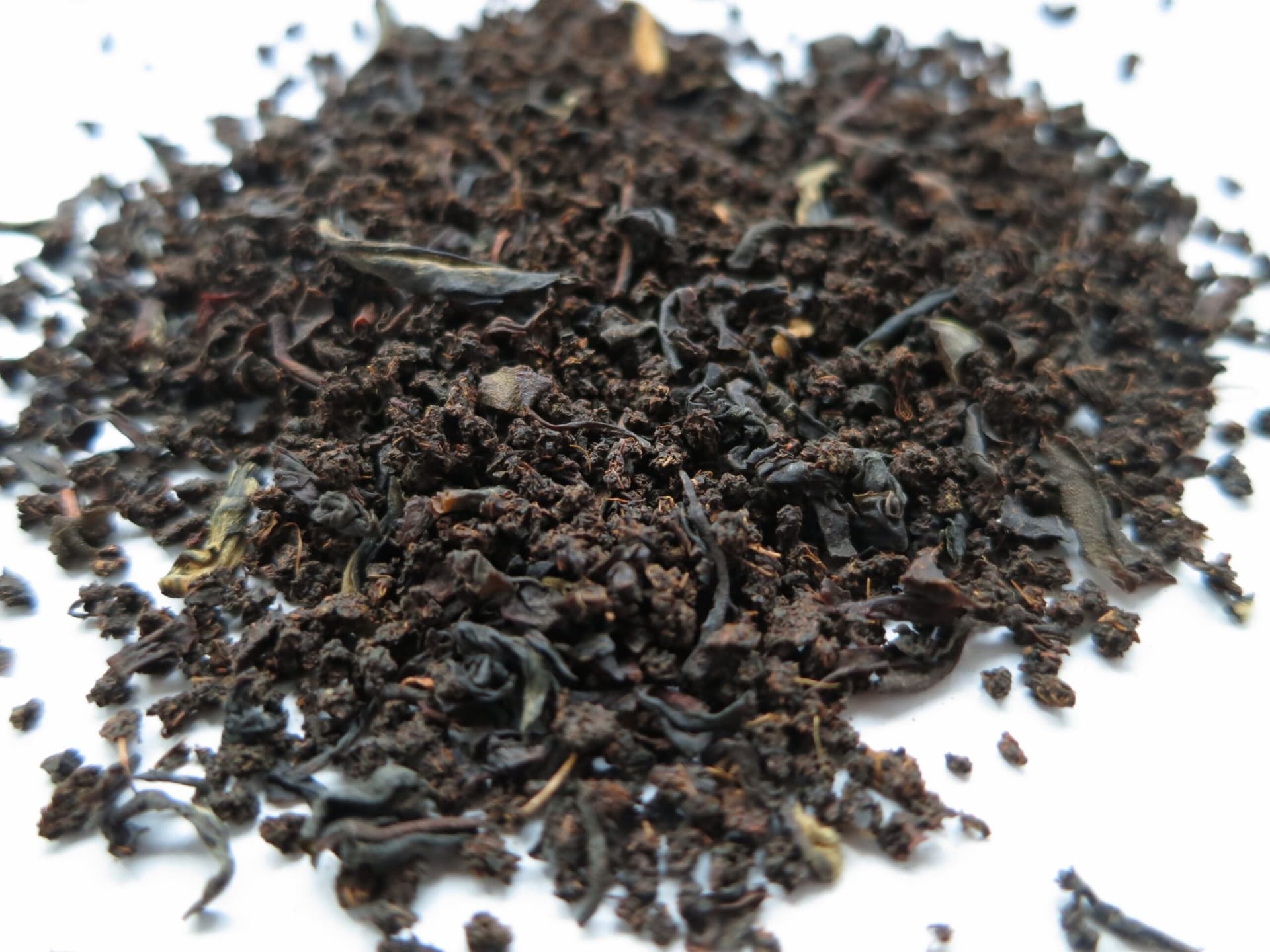
Purple Tea traces back to the Ragati Estate in Kenya, planted at around 1,700 metres in the country's highlands. British settlers established the estate in 1922 across roughly 3,000 acres, and it is now owned by the Kenyan conglomerate Bidco. The tea itself is a more recent development — a distinct cultivar of Camellia sinensis identified roughly a decade ago, notable for the anthocyanins that give the leaf its purple cast and set it apart from ordinary black tea.
In the cup, expect a floral character with notes of lemon and honey, some vegetal undertones, and an astringent finish. Anthocyanins are the same class of antioxidant compounds found in foods like blueberries and dark grapes, and Purple Tea is traditionally said to carry more of them than green tea, though that's a claim from the leaf's chemistry rather than a settled clinical fact. It also contains theanine, the amino acid many teas are valued for, which has long been associated with a calming effect.
Harvest happens in February, hand-picked from bushes that put out new shoots regularly under the estate's rainfall and moderate temperatures. Because the plant is harder to cultivate than typical tea and the growing conditions are specific to Ragati, Purple Tea stays relatively scarce compared to more common black teas.
To brew it, use water just off the boil, around 90–95°C, with one to two grams of leaf per cup. Steep for about two and a half minutes — closer to two minutes for a lighter cup, closer to three for more strength — and taste it plain first before deciding whether milk, sugar, honey, or lemon suit you. It also works well iced, with a splash of lemon layered in for a more refreshing pour. A standard 8-ounce cup of black tea runs around 47 mg of caffeine, roughly in line with what Purple Tea delivers.