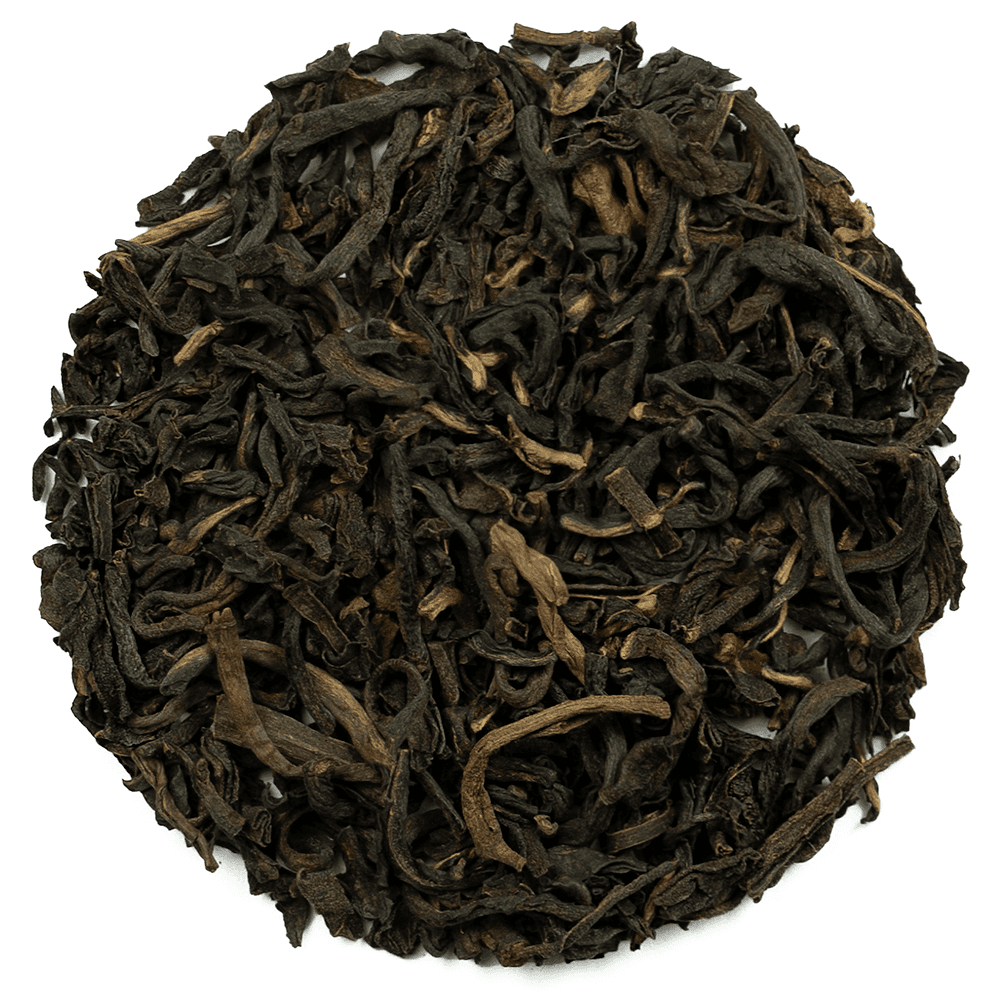
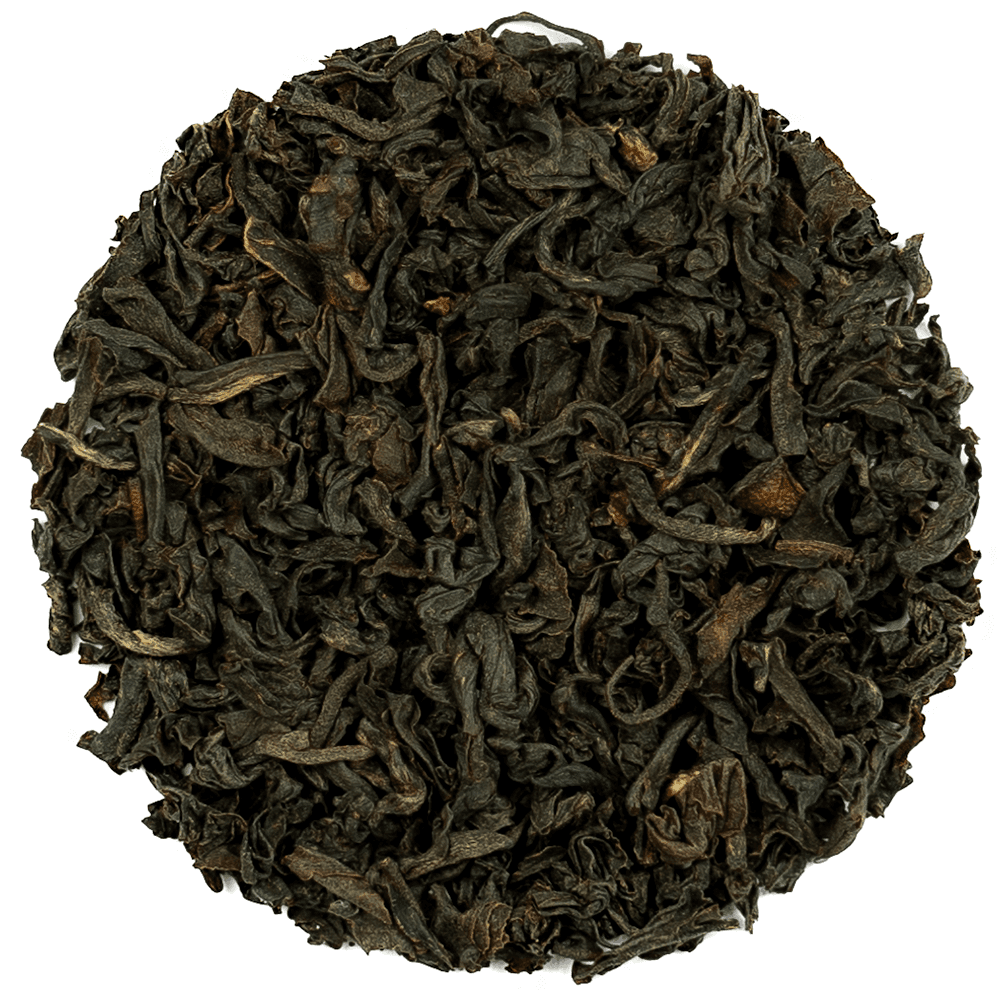
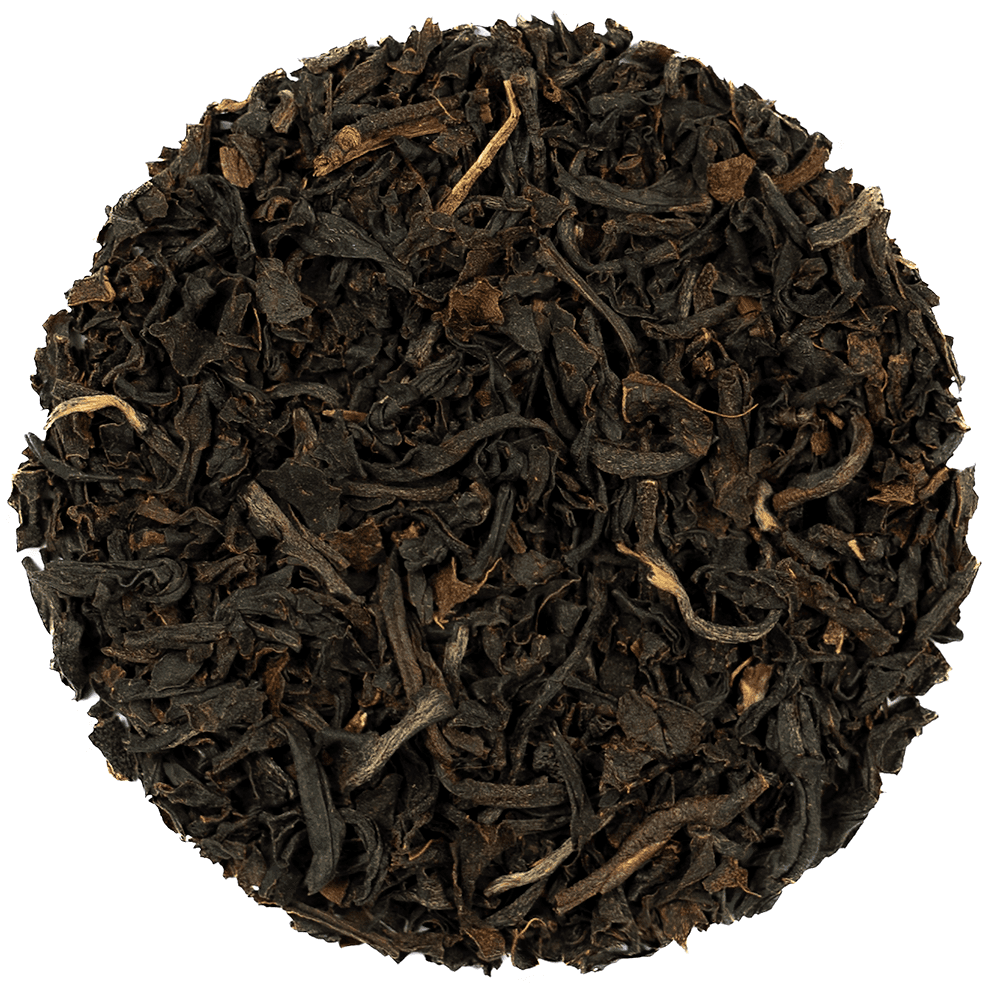
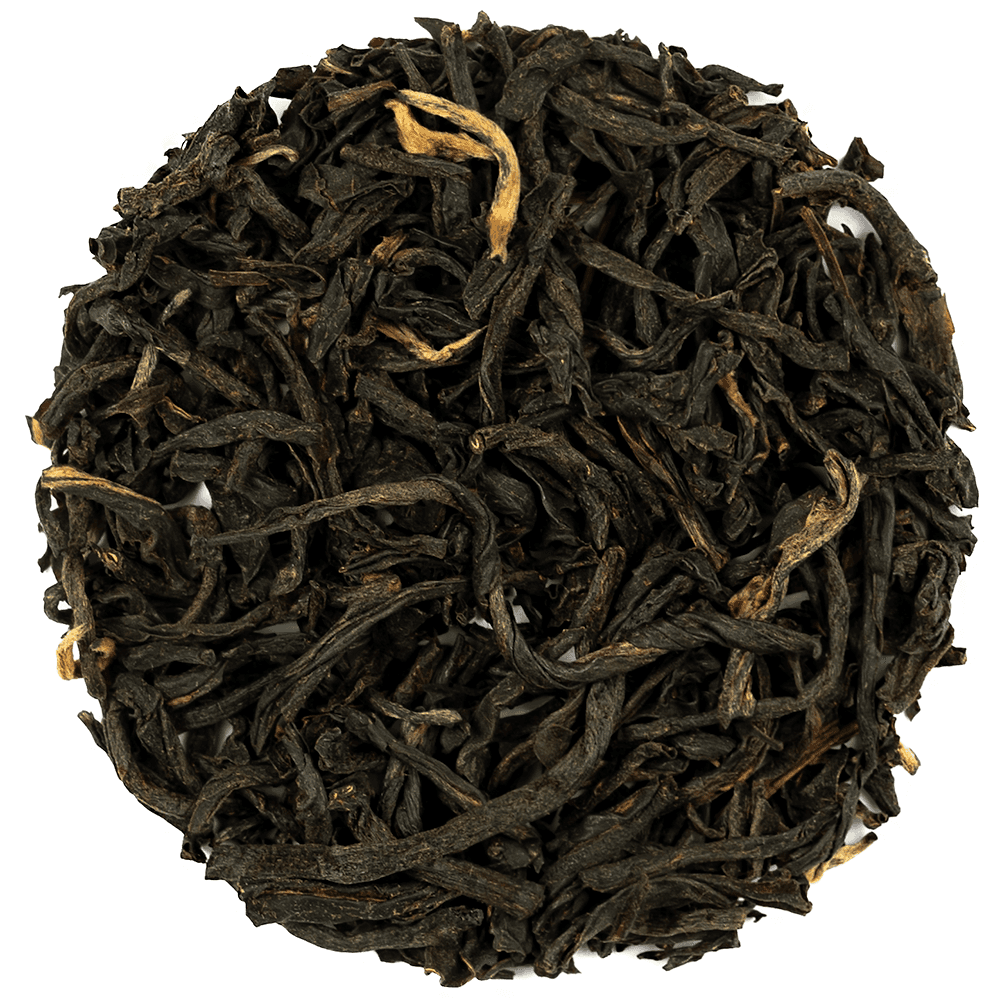
Assam Dufflaghur Estate leaves, from the Sonitpur district, meet Kenyan Milima tea in this blend, and the pairing leans into malt and nuttiness rather than sharp brightness. Milima tea grows at altitude — 6,000 feet or higher — and the name means "high place" in Swahili, which fits: high-grown leaf tends to carry more concentration and depth, and it shows here. Expect a cup with lemon and orange brightening the edges, honey rounding it out, and the Assam side bringing nutty, malty weight with a milk-chocolate softness underneath.
The Dufflaghur estate dates to 1917 and today employs more than 2,500 workers tending the bushes. It isn't one of Assam's famous names, but the leaf quality holds its own. Kenya's tea industry is much younger — cultivation only began there in the early 20th century, a fraction of China's roughly 5,000-year history with the plant — yet Kenya now supplies around half of Britain's tea imports, which says something about how fast that industry scaled.
This is a Broken Orange Pekoe grade, so the leaf is cut smaller than whole-leaf tea, which speeds up infusion and gives a stronger, quicker cup — useful for a brew meant to wake you up rather than one meant for contemplation. Steep it for about four minutes in freshly boiled water. It takes milk well, and also stands up to sugar, honey, or lemon if you want to go that route, though it is just as happy drunk plain. A cup carries roughly 45mg of caffeine, on the lighter side as far as black tea goes, which makes it a reasonable choice even for a second or third cup of the morning.