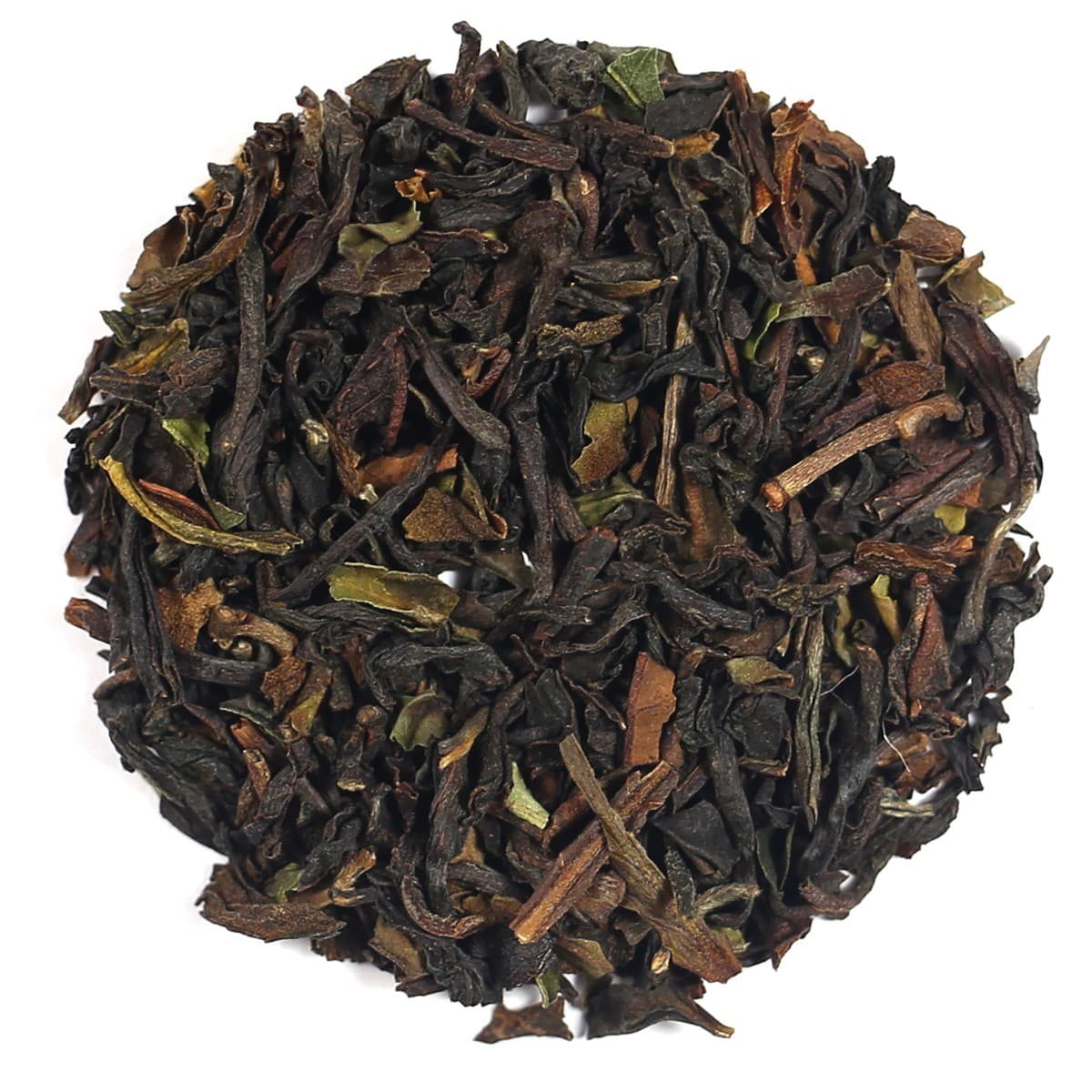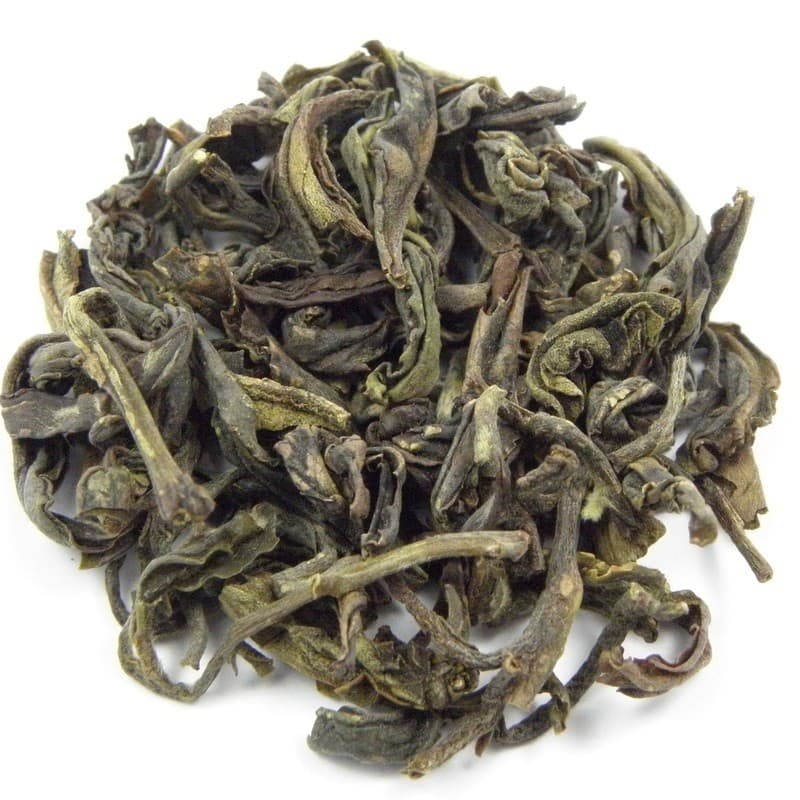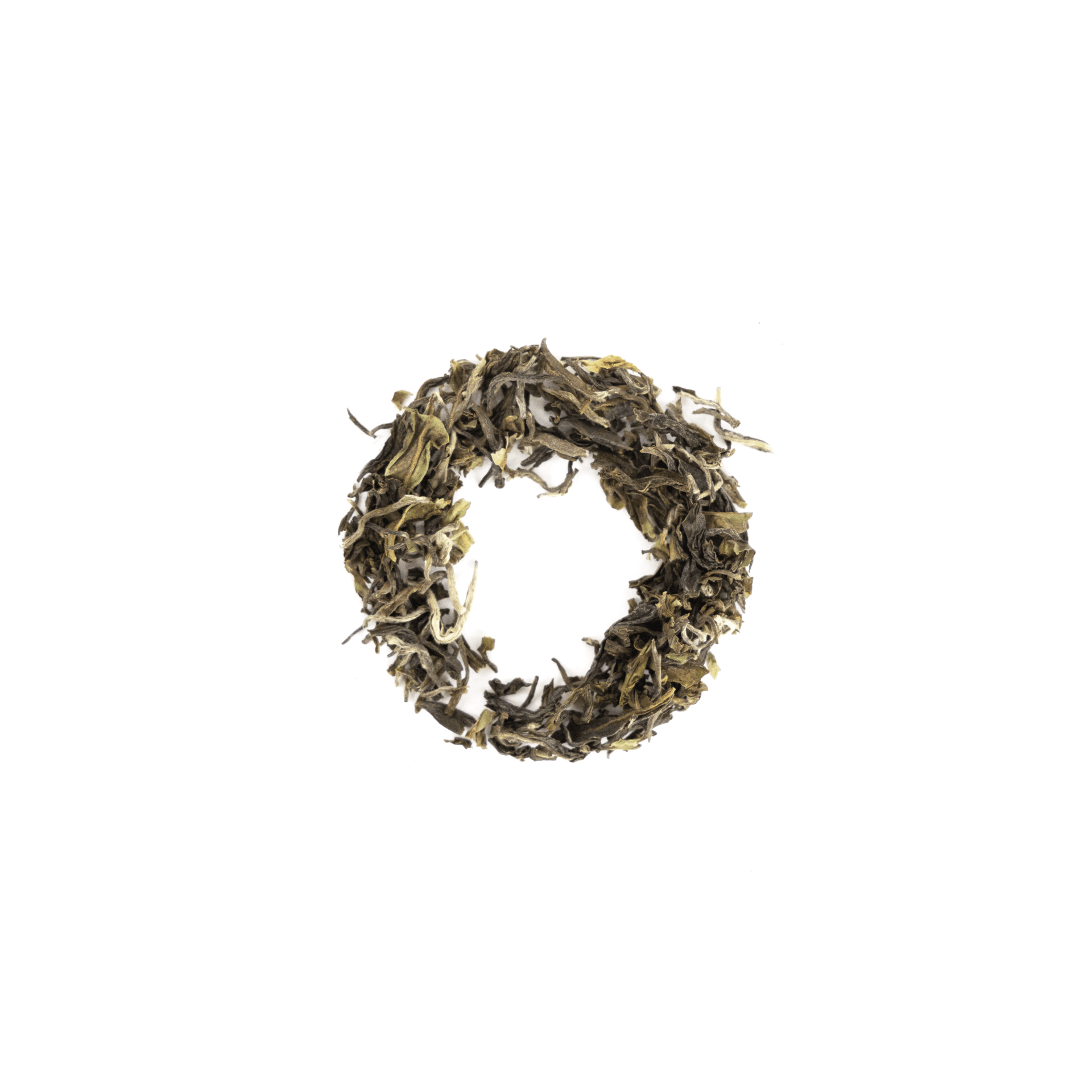
This mid-season flush comes from the Lebong Valley in west Darjeeling, grown on the Badamtam Estate, one of the oldest and best-known gardens in a district that has earned itself the nickname Champagne of Tea. Expect the classic muscatel character Darjeeling is prized for, layered with fruity undertones, floral notes, and a honeyed sweetness. In the cup it runs amber with golden highlights, light in tone rather than heavy or dark.
Darjeeling's tea story goes back to the mid-19th century, when the Scotsman Robert Fortune smuggled tea bushes out of China and began planting them across the district. The industry that grew from that now spans 87 gardens over roughly 17,500 hectares and employs around 52,000 workers every year. Badamtam has been part of that story since close to the beginning and remains one of the region's most popular estates.
Organic, in this case, means no pesticides, insecticides, bio-engineered genes, or petroleum- and sewage-based fertilisers went into growing it. The leaf is certified organic in India, then checked and certified again on entry into the EU, where regulations require every container to be sampled; anything that fails inspection is resealed and sent back rather than sold on. Tea & Coffee packs this particular batch fresh to order at its factory in Kent.
Black tea has long been drunk in the belief that it helps keep the mind sharp; that's tradition speaking, not a guarantee. Brew it with freshly boiled water for two to four minutes. Most people drink this one black, to let the muscatel and fruit come through, though milk, sugar, honey, or a squeeze of lemon all work well if that's more your style.