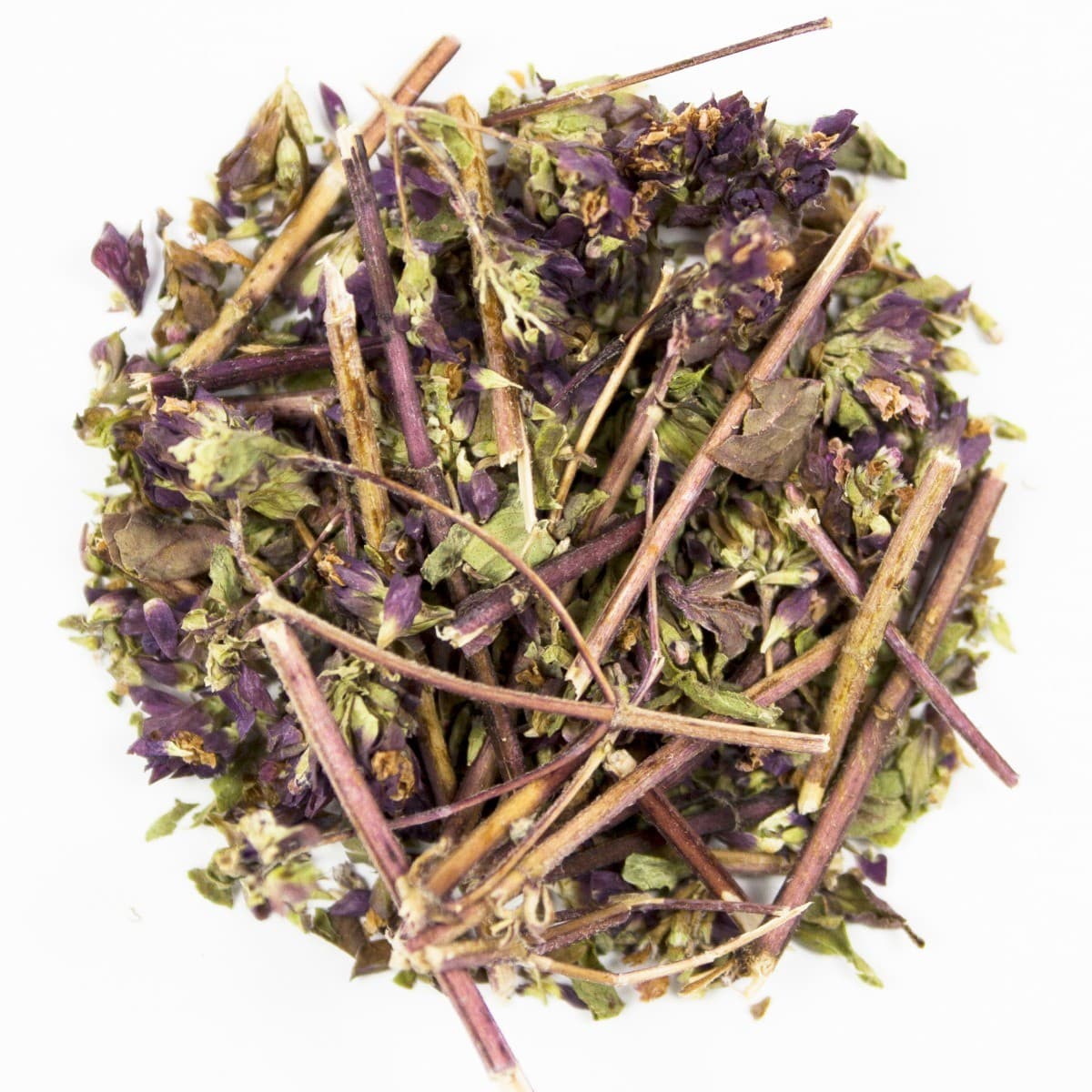
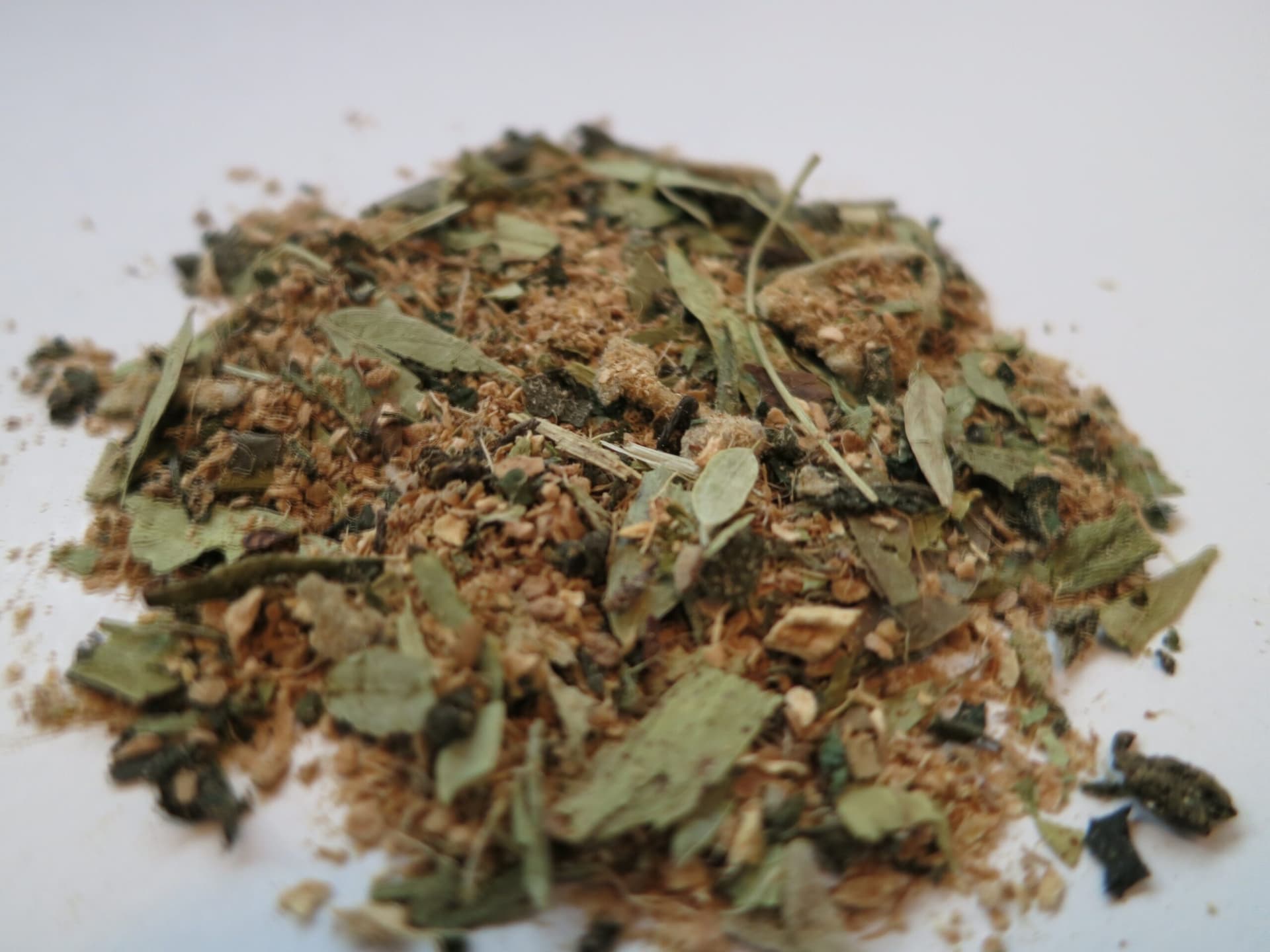
Sage tea gets its name from the Latin salvere, "to save" or "to heal," a nod to how central this plant once was to Mediterranean medicine. It comes from Salvia officinalis, a perennial evergreen shrub in the mint family, native to the Mediterranean and grown today across Greece, Italy, and Turkey in sandy or loamy soil under full sun. The plant has woody stems and grey-green, wrinkled leaves with a pebbled, veined texture, and in late spring or summer it puts out purple, blue, or white flowers that draw pollinators. Those leaves, dried and steeped, are the tea.
The Romans treated sage as sacred and worked it into rituals; the Greeks drank it for general health. Through the Middle Ages it earned a reputation as something close to a cure-all, grown in monastery gardens by monks who brewed it as a therapeutic drink, the direct ancestor of the tea as it's known now. From there it spread across Europe and eventually crossed to North America.
In the cup, expect something delicate rather than bold: a sweet, floral character with lemon, date, honey, mint, and warm spice running through an earthy sage backbone. It's naturally caffeine-free, which makes it a reasonable pick for the evening or for anyone cutting back on caffeine. Traditionally it's been used as a digestive aid and, thanks to its antimicrobial qualities, as a folk remedy for dental complaints — worth taking as inherited practice rather than established fact.
To brew it, use one to two teaspoons of loose leaf per cup of freshly boiled water, adjusting the quantity to taste since strength scales with how much sage goes in. Cover the cup or pot while it steeps so the volatile oils carrying the aroma don't escape, and give it five to ten minutes — longer for a stronger cup. Strain before drinking, and add honey or lemon if you like. Stored in an airtight, opaque container away from light, heat, and strong odours, the dried leaf keeps for up to two years.