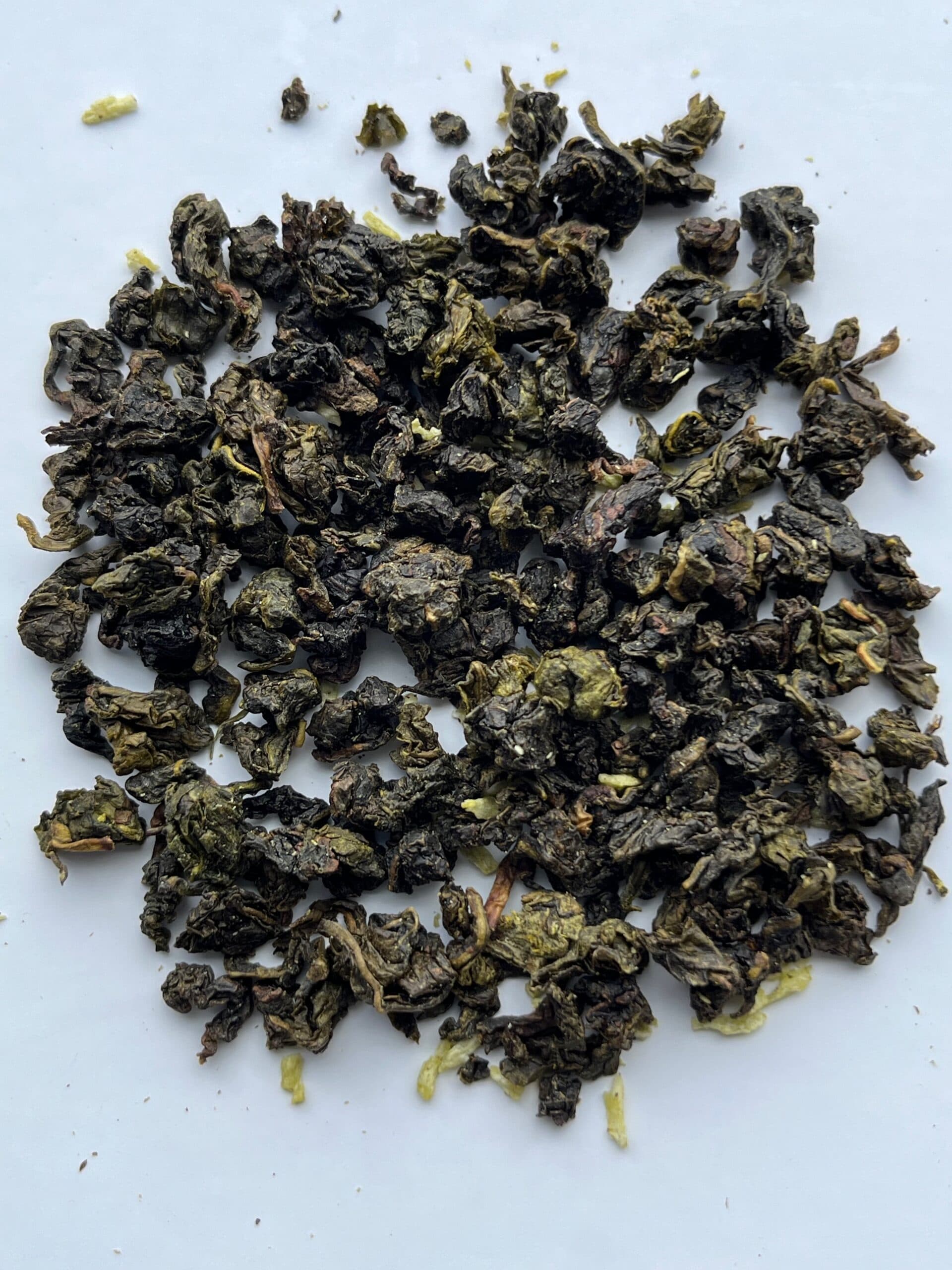
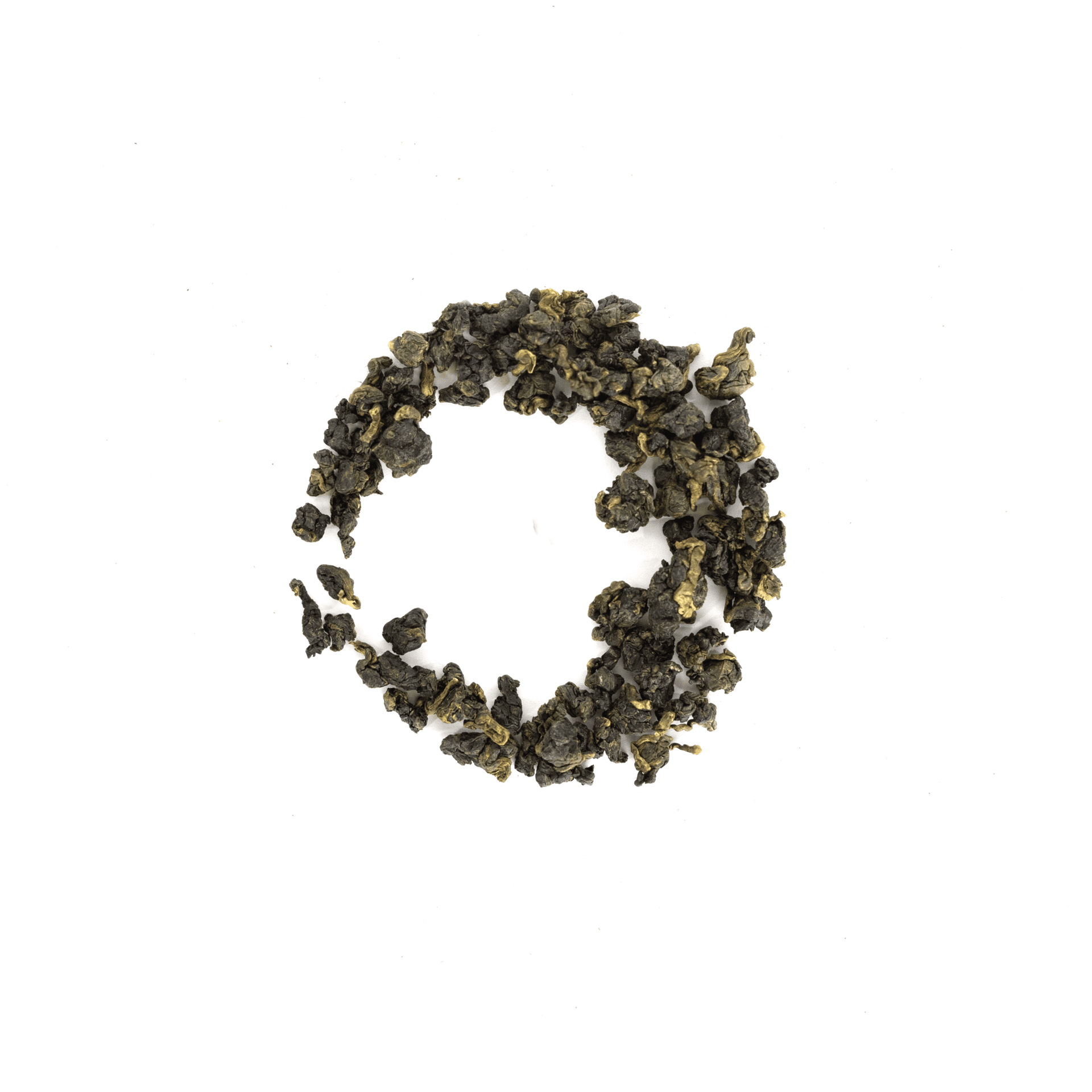
The name suggests a splash of dairy, but there's none involved. This oolong comes from Jin Zuan, a cultivar of Camellia sinensis first developed in Taiwan in the 1980s, and its milky character comes purely from light baking of the leaf rather than any dairy process. The old idea that the leaves are steamed over milk to pick up the flavour has been debunked; the cultivar simply produces it on its own. Grown in Formosa, the leaves go through partial oxidation and fermentation, landing the finished tea somewhere between green and black in style, with a creamy, almost buttery quality that sets it apart from either.
In the cup it opens sweet and floral on the nose, then turns creamy and buttery on the palate, with tasting notes that run floral, cream, milk and butter. That texture explains the name, though lactose-intolerant drinkers have nothing to worry about, since no actual dairy is involved at any stage. It's also a low-calorie pour. Caffeine content works out to roughly 37mg per serving, more than green tea but noticeably less than black, which makes it a reasonable choice whether the cup in question is a slow morning one or a lighter evening one.
As with other oolongs, it carries a mix of antioxidants and polyphenols, and teas like this have long been drunk as part of routines aimed at general wellness and steady energy rather than any specific complaint, so treat those associations as traditional rather than medical. Brewing is straightforward: steep the leaves in an infuser at 80 to 90°C for two to three minutes, no longer, since extra time tends to draw out bitterness. Serve it plain. Milk, sugar, or other additions mostly just compete with a flavour the leaf already produces by itself.