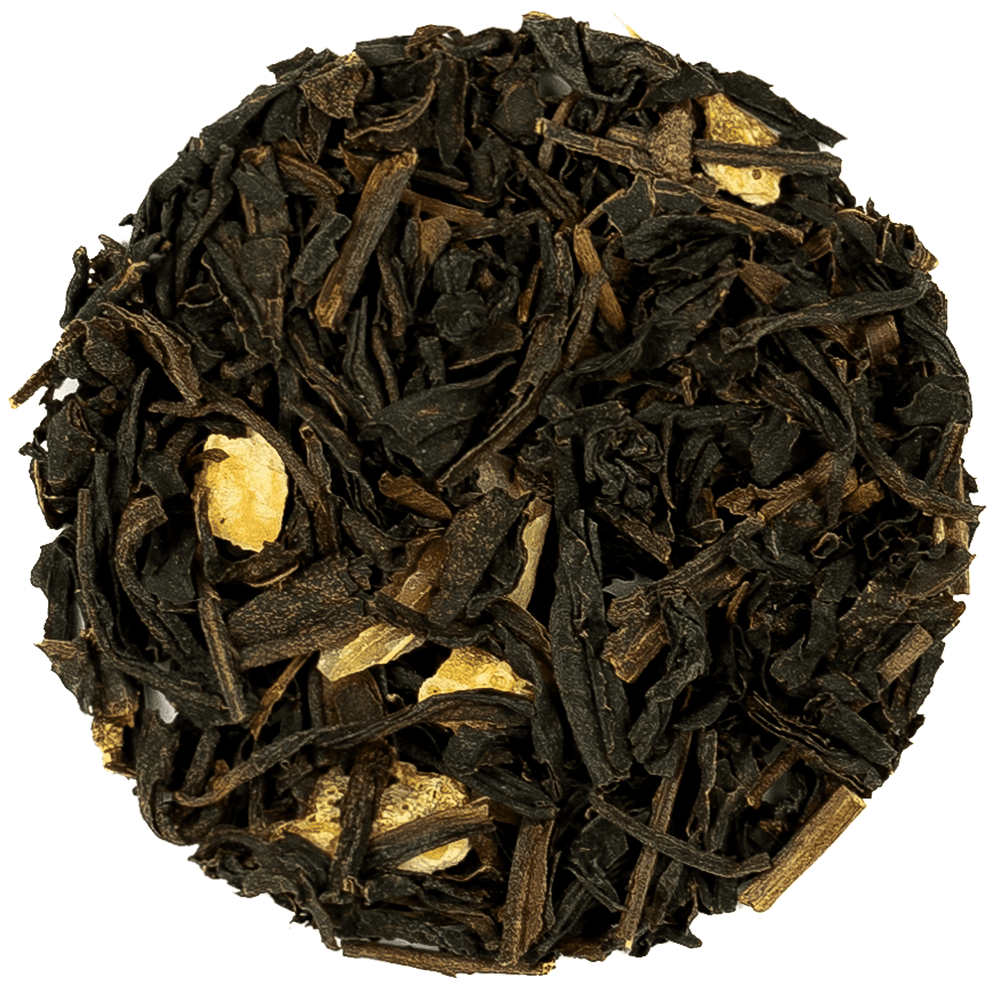
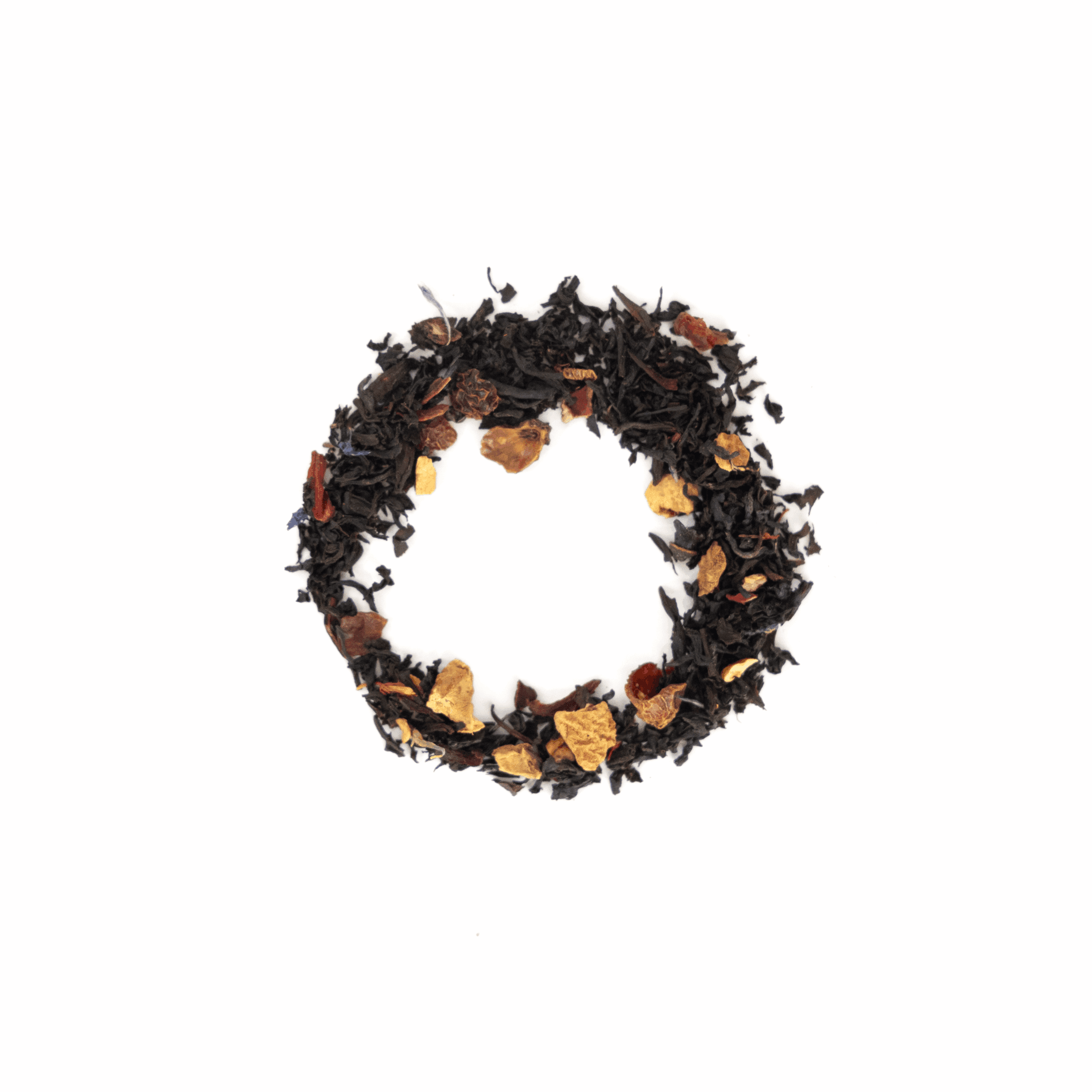
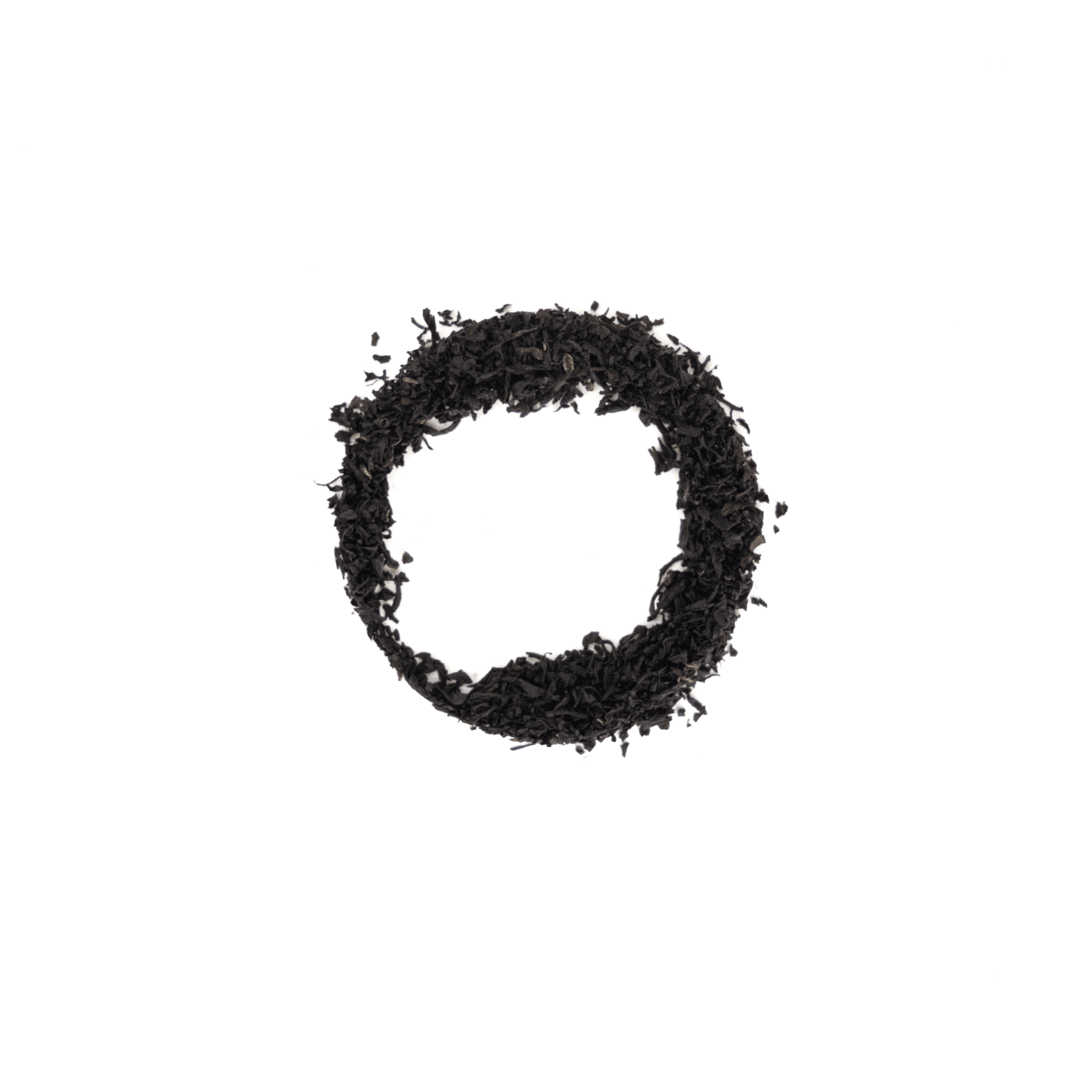
Russian Earl Grey earns its name from Russia's long history with the tea trade, though the blend itself is a Western take on that tradition rather than something Russian in origin. It builds on classic Earl Grey — black tea scented with bergamot oil, a pairing that dates back to a gift reputedly given to the 19th-century prime minister Charles Grey — and pushes it further with citrus peel and lemongrass, which brighten the cup and add complexity beyond the straightforward original. Some versions of the blend bring in Spanish orange pieces and cornflowers for extra fragrance and colour. The base here combines high-grown Ceylon Orange Pekoe with China black tea from Anhui Province, giving the bergamot and citrus something malty and substantial to sit on top of.
In the cup, expect sweet, citrusy notes — lemon, orange, floral bergamot — with honey-like warmth, a malty backbone, and a mellow finish. It works with milk, sugar or honey stirred in, and just as well on its own. This is a black tea, so it carries caffeine, generally less per cup than coffee, and bergamot is often credited with a calming quality, though that's tradition rather than established fact.
The Russian association goes back to the Siberian trade route, the so-called Tea Road, along which tea moved between China and Russia and found favour with the Russian nobility. Local merchants began adding spices and citrus peel to their tea, and that habit is often pointed to as the root of the "Russian" name, even though the blend as sold today took shape well outside Russia. Tea itself reached Russia from China in the 17th century, and drinking it became bound up with the samovar, the concentrated zavarka brew diluted to taste, and a culture of offering tea to guests as a mark of hospitality.
To brew, steep loose leaf in freshly boiled water, 100°C, for three to five minutes — much beyond that and the bergamot can turn bitter.