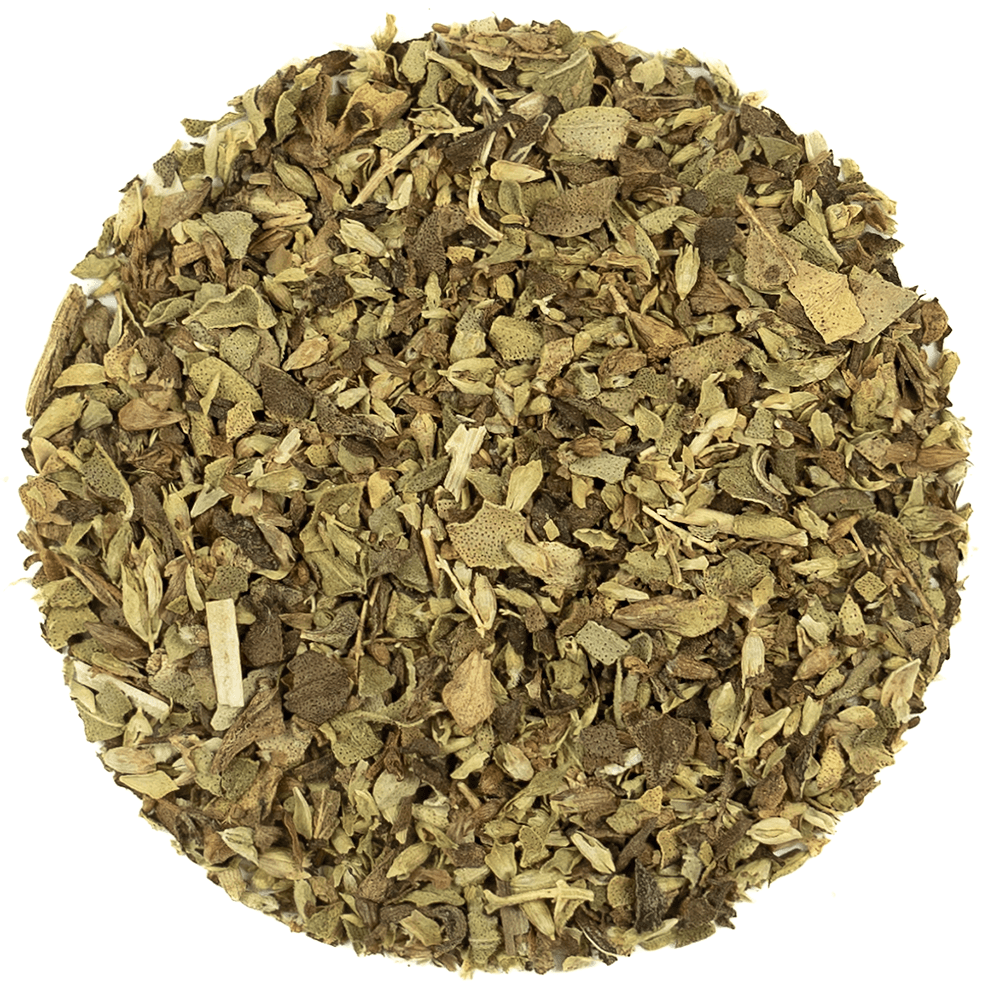
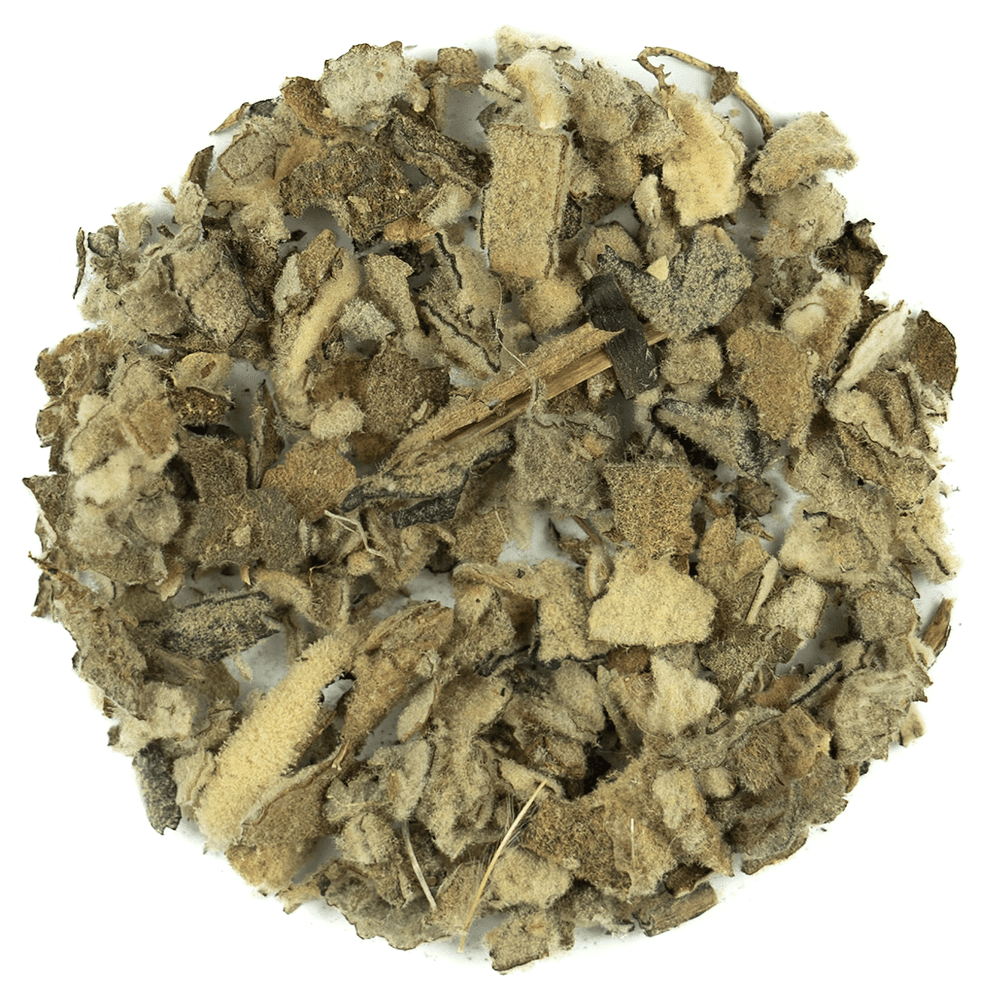
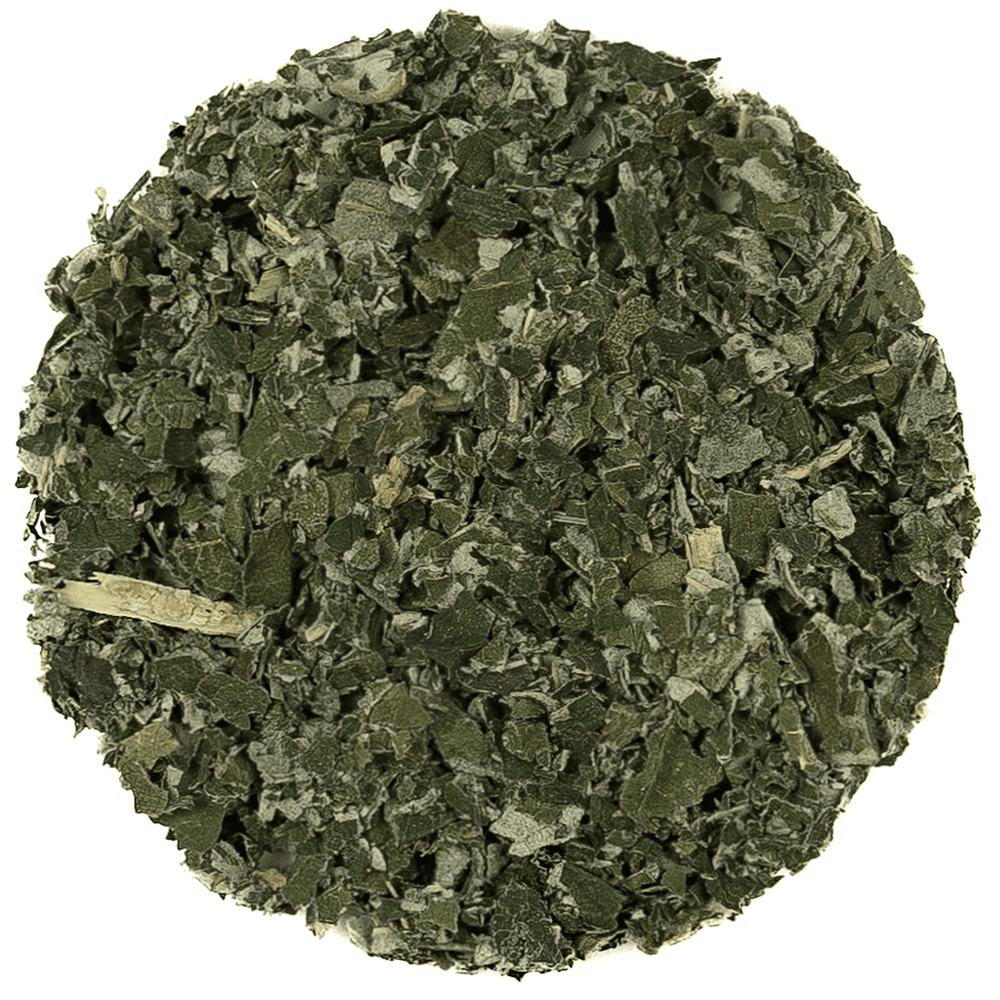
Thyme's kitchen reputation as a seasoning tends to overshadow its life as a tisane, but steeped on its own it makes an earthy, aromatic cup with a woodsy edge and a soft trace of lemon. The plant itself is tough and low-growing, with small leaves that give off an outsized amount of fragrance once bruised or dried. It originates in the western Mediterranean and has since spread through Western Asia and southern Europe, and garden thyme in particular has a long culinary and medicinal history going back to ancient Greece, Rome, and Egypt. Written sources from ancient Sumeria, dating back roughly 3,000 years, already describe thyme's antiseptic qualities, used as much in ointments and remedies as in cooking. That dual identity — flavoring and folk medicine — has followed the plant ever since, and it has traditionally been used to support digestion and ease inflammation, alongside a naturally high antioxidant content and vitamins A, C, and E.
The tea itself is caffeine-free, so it works as a wind-down drink as easily as a daytime one. Expect notes of lemon and honey alongside the herbal, earthy, faintly medicinal character that defines thyme. To brew it, use about a teaspoon of dried or fresh thyme leaves per cup of boiling water and steep for roughly six to seven minutes — a touch longer than most herbal infusions, which helps draw out the full aroma. Honey or a squeeze of lemon rounds out the cup nicely, and it holds up well served cold too.