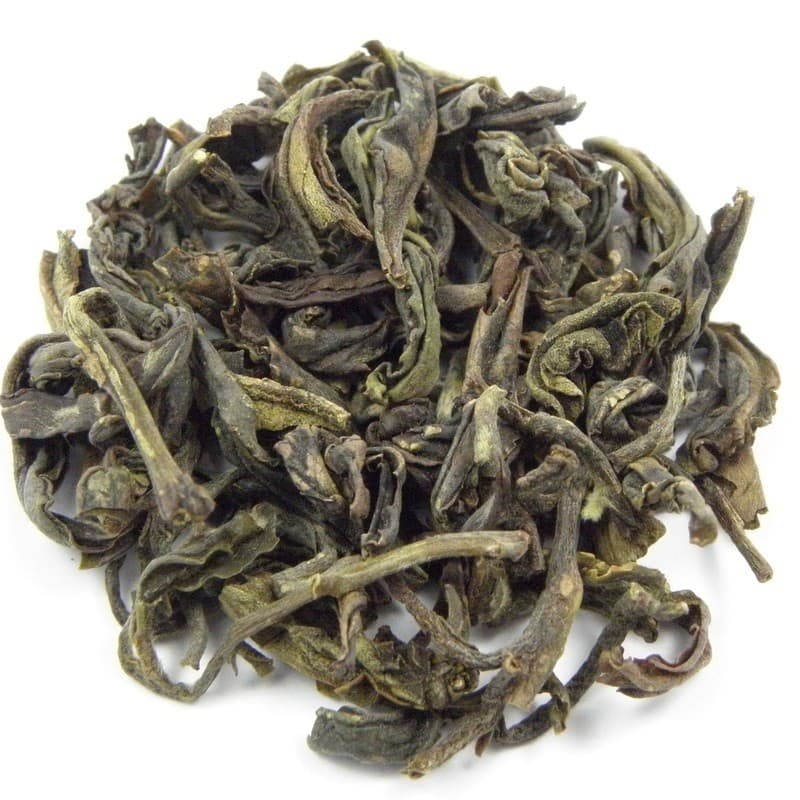
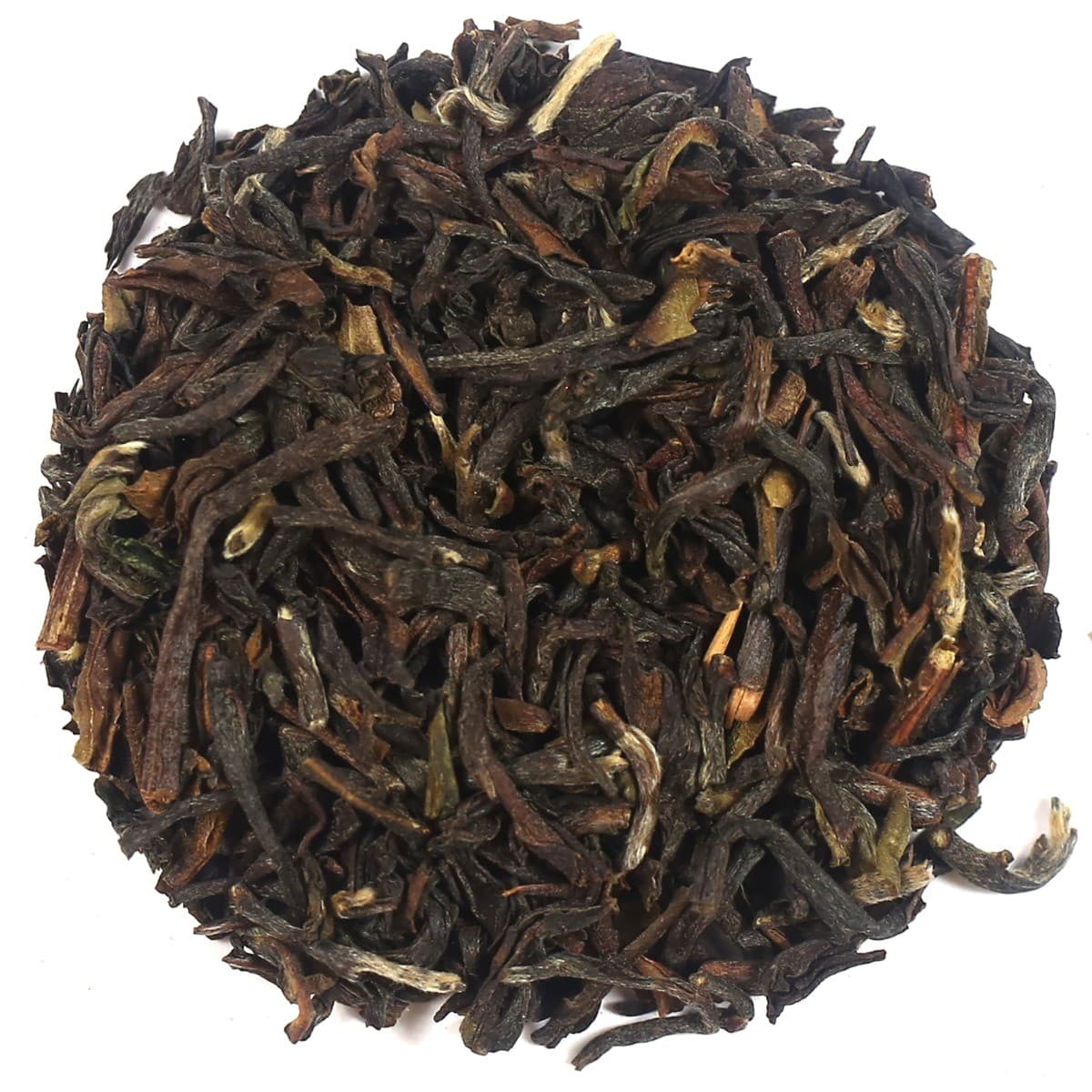
Nepal's tea industry is younger than most people assume — commercial production didn't take proper hold until the 1950s, even though the first plantings in the hilly Ilam district date back to the 19th century. Jun Chiyabari is younger still: the garden was founded in 2000 near the small town of Hile in the Dhankuta district, with Darjeeling lying just 65km to the west. Connoisseurs often note the family resemblance between the two, and this first flush does carry some of that same character in the cup, though it's very much its own tea.
The estate works on organic, controlled bio-cultivation, with no synthetic fertilisers, herbicides or pesticides used on the plants. Growers there describe the approach as respecting the produce, the people who work it and the place it comes from, and it's the kind of tea that tends to appeal to drinkers looking for a more eco-friendly cup. This loose leaf black tea pours pale yellow and light, with the floral, muscatel notes that have become something of a signature for Nepalese first flushes, alongside hints of lemon, honey, milk and butter. Like any black tea it carries a reasonable amount of caffeine, the compound that has long made a morning cup useful for waking up, and some research suggests black tea more broadly may carry other benefits too.
Tea drinking runs deep in Nepal: many people have a cup at least twice a day, and some take theirs with salt and ghee rather than the more familiar milk and sugar. For this one, brew with freshly boiled water and infuse for three to five minutes. Take it with milk, sugar, honey or lemon, or drink it black and let the muscatel notes stand on their own.