Getting to the Jungpana estate is not simple: growers reach it on foot, along a narrow road that switches back through the hills, up more than 350 steps, and finally across a wooden footbridge over the Changey Khola river. The plantation sits between 1,000 and 1,500 metres, in one of the more remote pockets of Darjeeling, and the district generally rates its leaf among the most distinctly muscatel-tasting teas grown there.
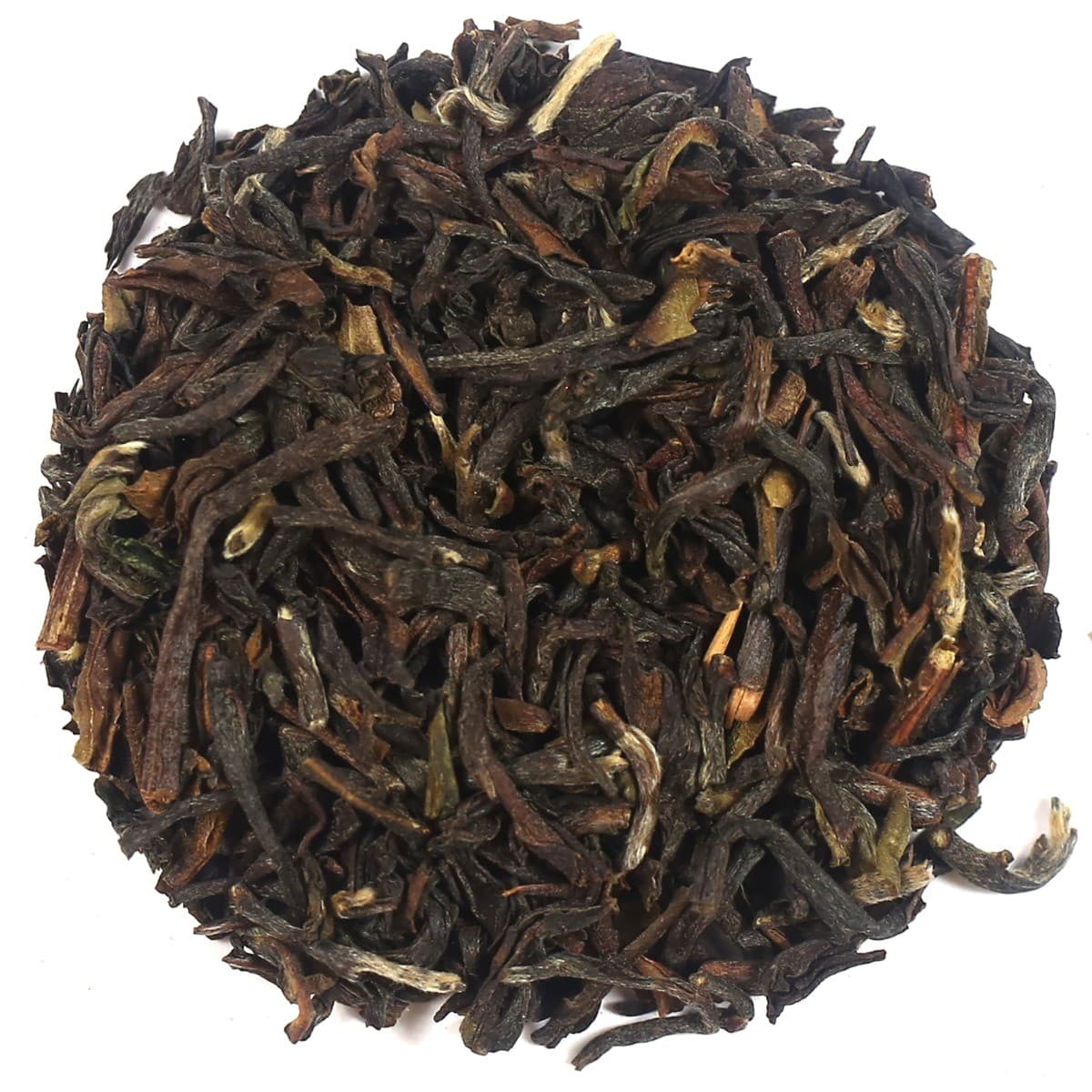
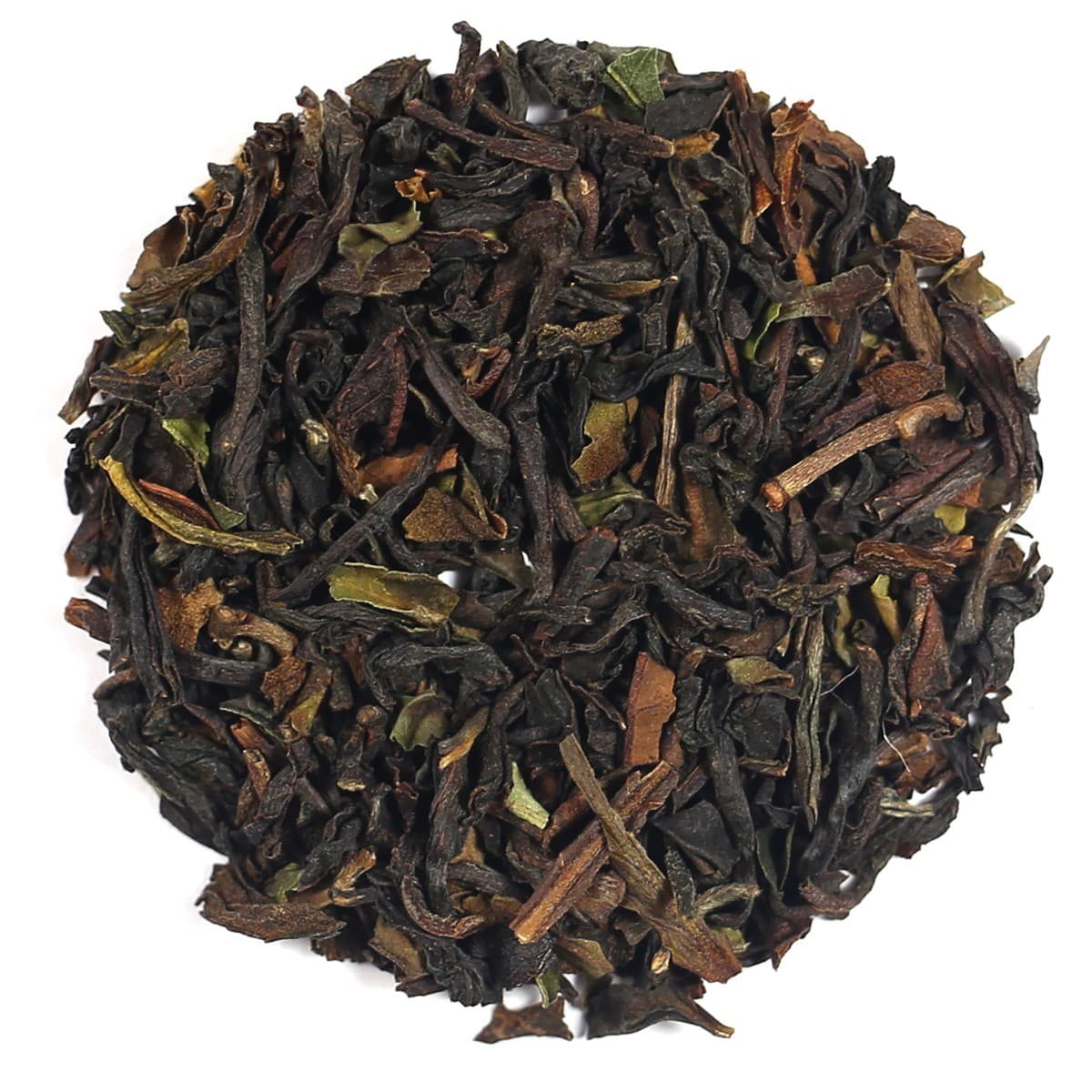
This lot is graded FTGFOP1, short for Fine Tippy Golden Flowery Orange Pekoe, meaning a high proportion of tips, the young leaf buds that tend to give a more delicate flavour and aroma. It comes from a late first flush pick, which shows in the cup: golden-orange liquor, light in tone, with a malty, muscatel character that carries through to the last sip, mild fruity undertones, and a sweet, smooth finish. Expect notes across fruit, lemon, orange, muscatel, honey, malt, coffee, and even something champagne-like.
Darjeeling's tea history runs back to 1823, when the plant was first found growing in India. By 1866 the district already had 39 gardens on over 1,000 acres, turning out around 133,000 lbs a year. It has weathered setbacks since, including strikes and political unrest in 2017, and today counts 87 gardens across 17,500 hectares, employing about 52,000 people, 60% of them women. Estates like Jungpana are part of why the Darjeeling name still carries weight.
Tea & Coffee lists this as loose leaf black tea from the Jungpana estate in West Bengal's Darjeeling district. Brew it with freshly boiled water for three to five minutes, and drink it plain if you can: it holds its own without milk, sugar, honey, or lemon, though any of those will still work if you want them.