Darjeeling gets called the champagne of teas, and second flush is usually treated as the lesser sibling to the spring pick — this one from the Castleton estate makes that reputation hard to defend. Castleton is part of the Goodricke group, planted in 1885 by Doctor Charles Graham near Kurseong, and today the garden runs to about 471 hectares, with 318 under cultivation. The estate keeps its exact production methods close, though picking is still done by hand and much of the rest is mechanised for consistency.
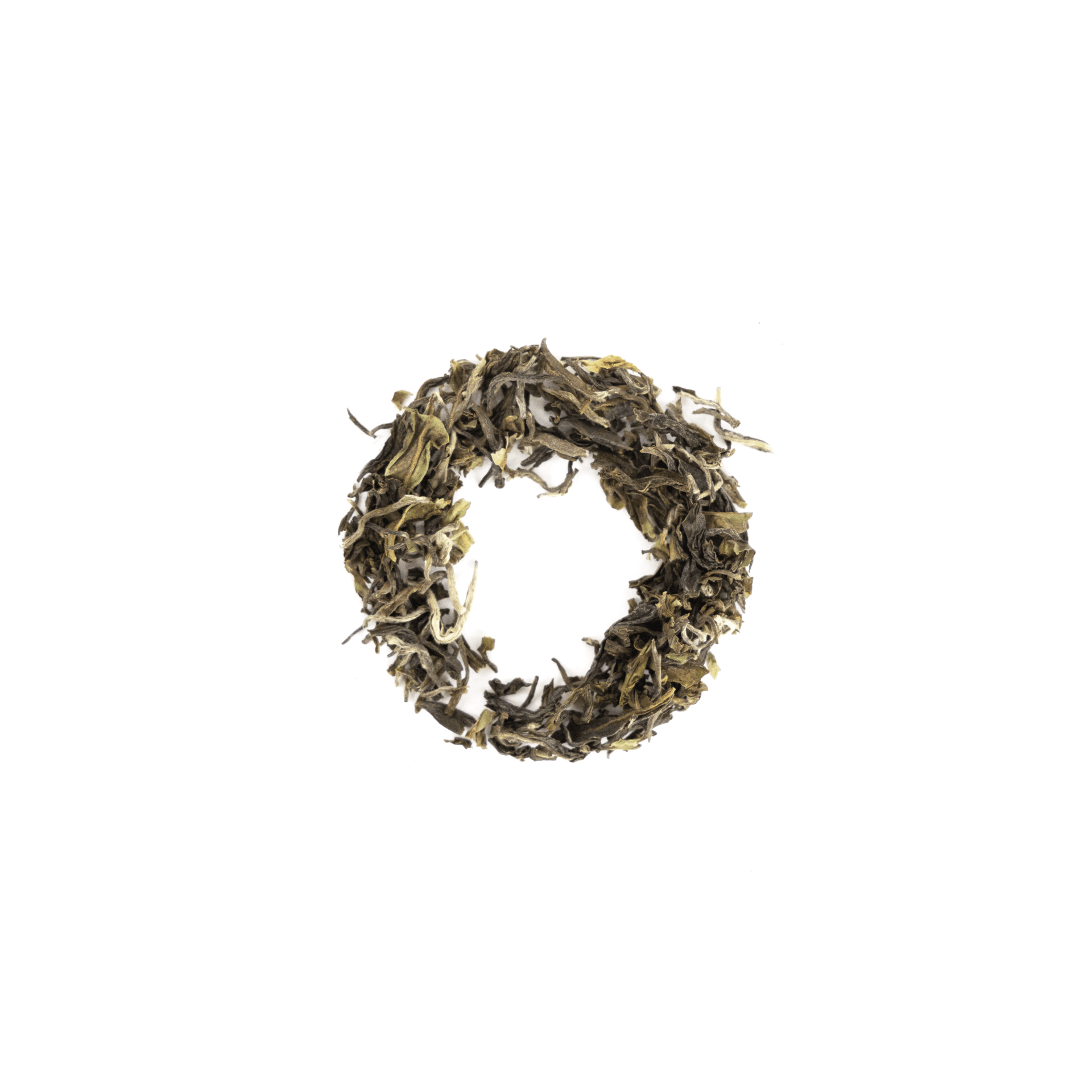
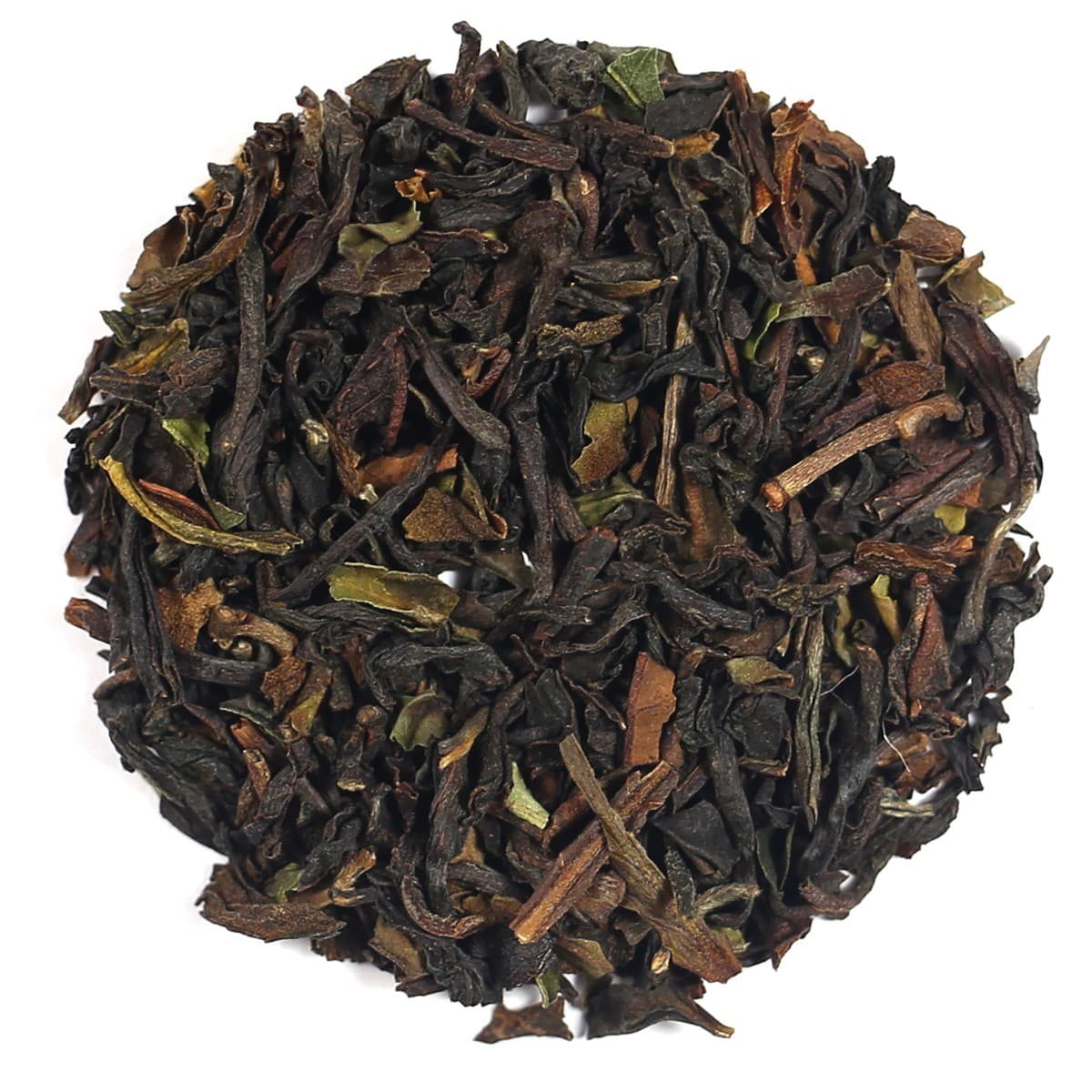
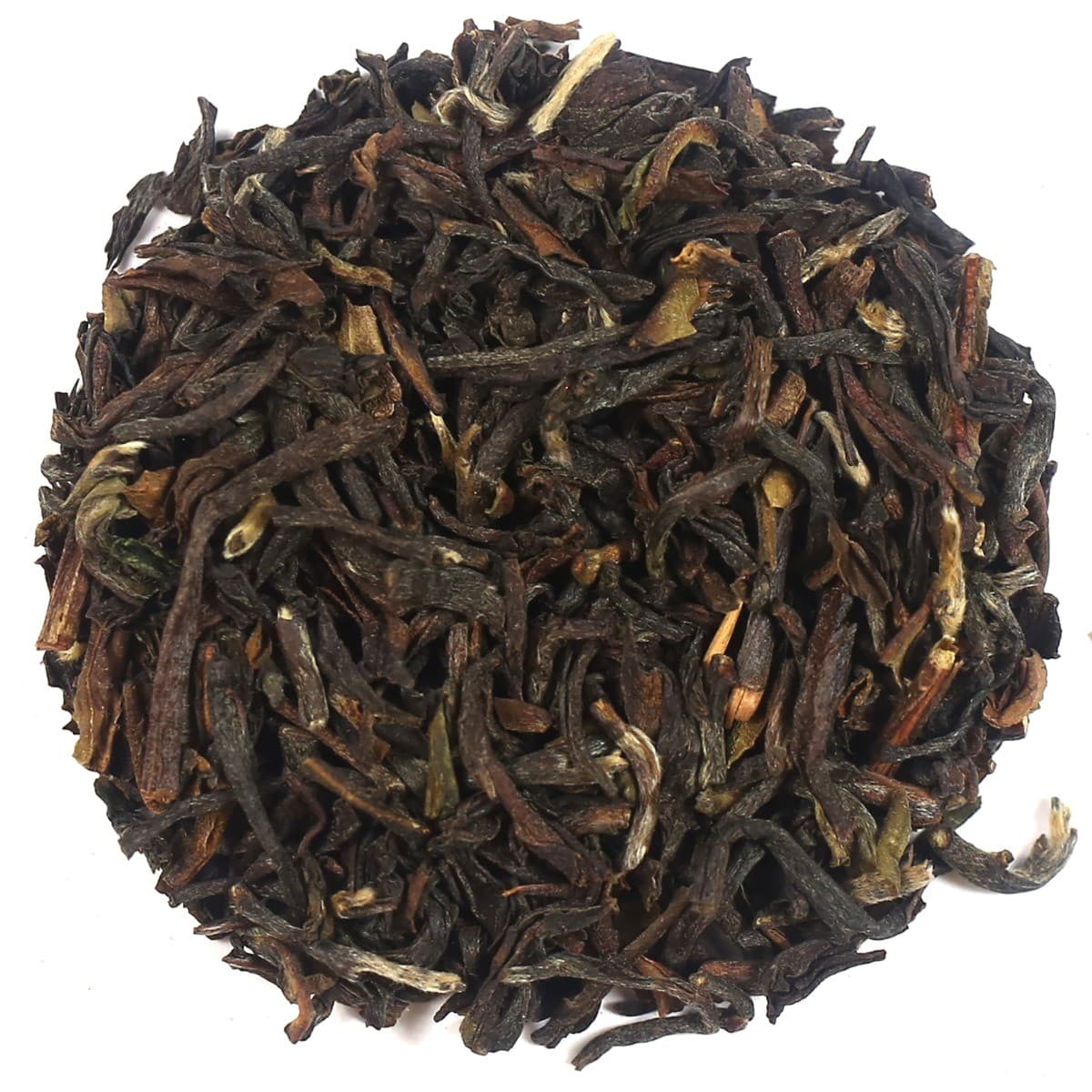
The tea itself is fine, neat leaf, graded TGFOP1 — Tippy Golden Flowery Orange Pekoe 1. In the cup expect lemon and orange up front, the muscatel character Darjeelings are known for, then graham cracker, a touch of smoke, coffee, and woody notes, with a champagne-like edge running through it. The liquor is a light, coppery orange.
Darjeeling's own story starts further west, in Assam, where Camellia sinensis var. assamica was identified in 1823 after Robert Bruce, a Scottish merchant, was given a plant specimen by the Singpho tribe near Rangpur. That discovery set off the expansion of Indian tea, with Darjeeling becoming one of its favoured growing regions — 39 plantations by 1866, producing an estimated 133,000 lbs a year. Ownership shifted from British to Indian hands after independence, and the district has weathered plenty of political upheaval since. It's still home to 87 plantations across 17,500 hectares, employing around 52,000 people at peak season, roughly 60% of them women.
To brew it, use freshly boiled water and steep for three to five minutes. A slice of lemon works if you want it, but it holds up fine on its own.