That's within the 1800–2800 range. Final output:
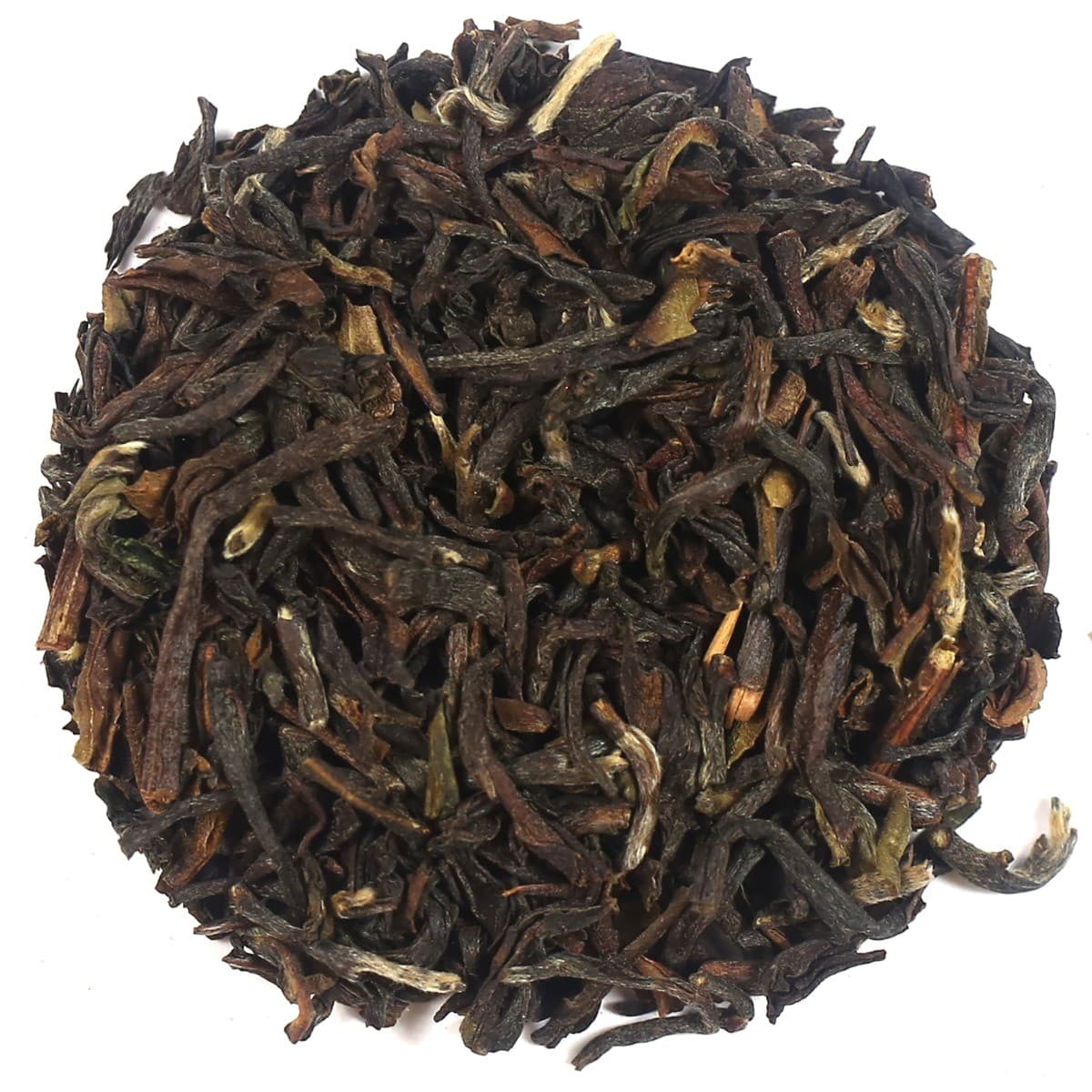
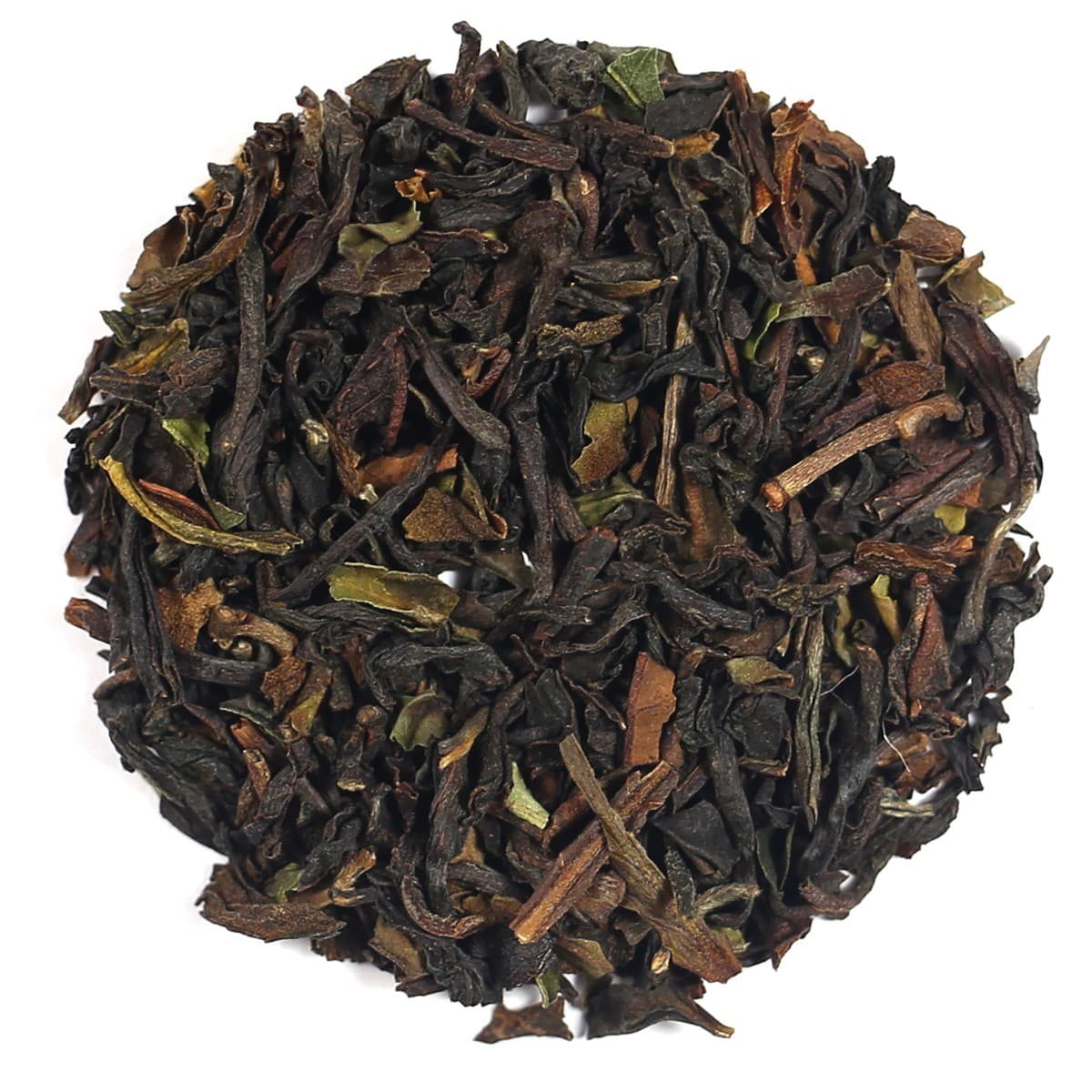
Darjeeling's high-altitude gardens give this black tea its base: a brisk, muscatel character that tea drinkers often compare to good wine, layered here with bergamot, the citrus fruit grown mainly in southern Italy that defines every Earl Grey blend. The result leans floral and fruity up front, with lemon and lime brightness cutting through the tea's natural cream note, and a citrus lift running underneath the whole cup.
The Earl Grey name traces back to the 19th-century British Prime Minister Earl Charles Grey. One account holds that the blend was created to suit the water at his residence, which carried a hint of lime, and that pairing of bergamot and black tea has stuck for two centuries since. Crossing that citrus-forward tradition with Darjeeling's delicate, high-grown leaf gives a cup that reads as more refined than a standard Earl Grey, with the tea's floral character holding its own against the bergamot instead of being buried by it. Darjeeling has long been prized above other black teas for exactly this kind of delicacy, and the blend is built to let that show rather than smother it in citrus oil.
Brew it with freshly boiled, filtered water, one teaspoon of leaf per 8 ounces, and let it steep about four minutes, pushing closer to five or six for a stronger cup, and taking the leaves out before they oversteep. An 8-ounce serving carries roughly 50 milligrams of caffeine; milk is optional and not needed, though a splash won't overwhelm the tea. Beyond a straight hot cup, it takes well to being served cold: brew as usual, cool, and pour over ice with a squeeze of lemon. It also works steamed into a milk-based latte, mixed into a cocktail, or used as a flavouring in desserts, where the floral and citrus notes carry through clearly. Store the leaf in an airtight container away from heat, light and moisture, and use it within a year for the best flavour.