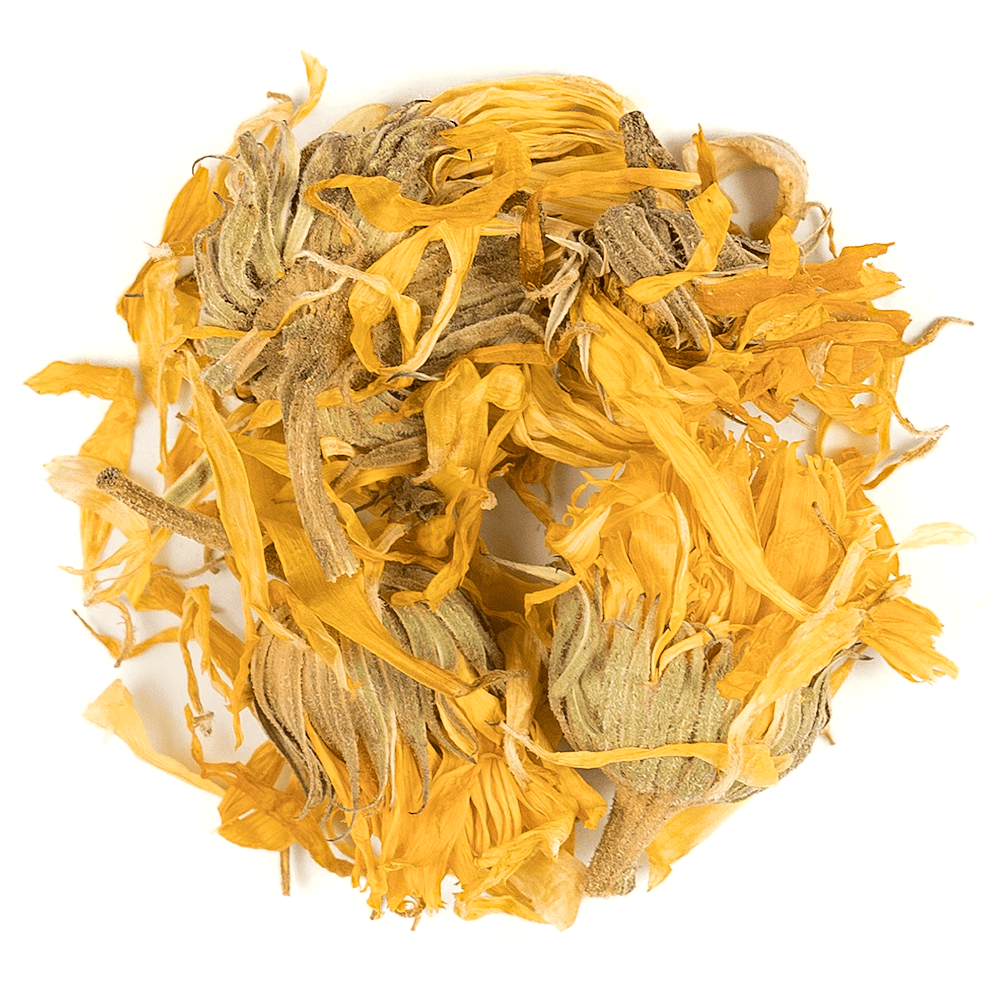
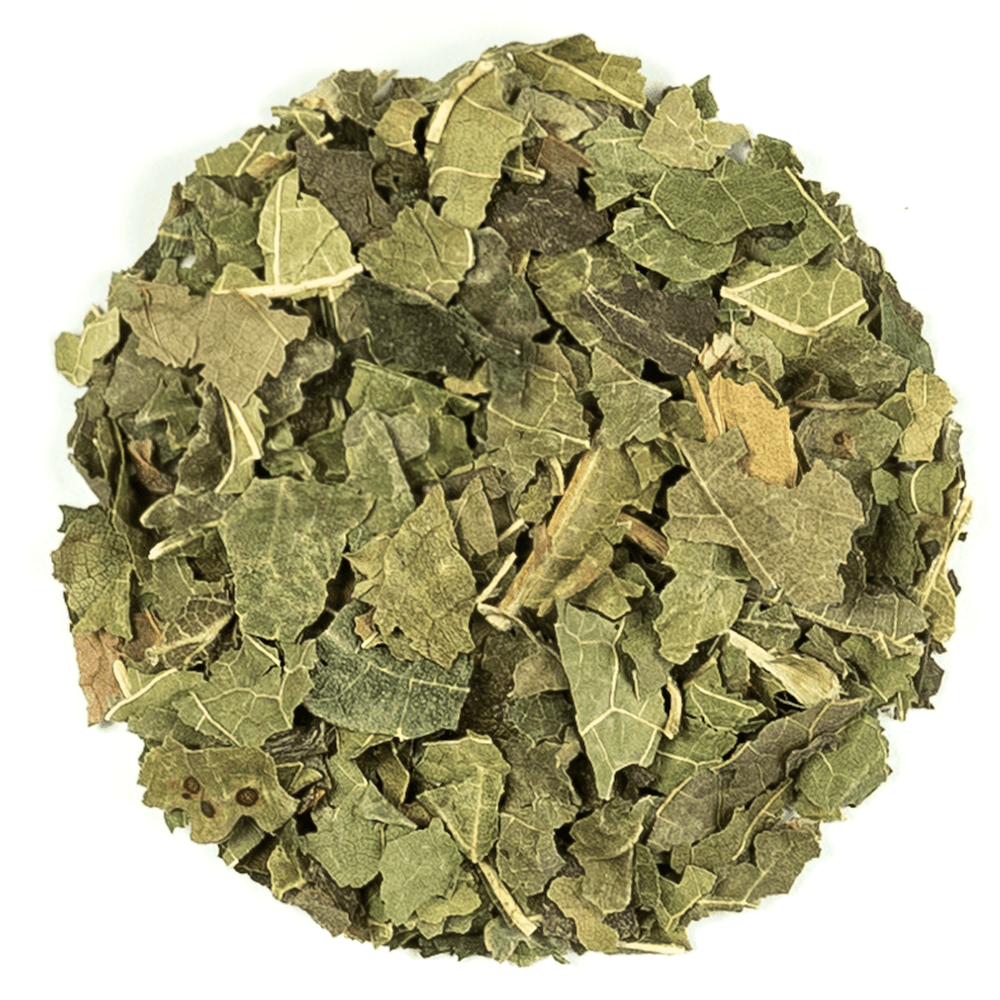
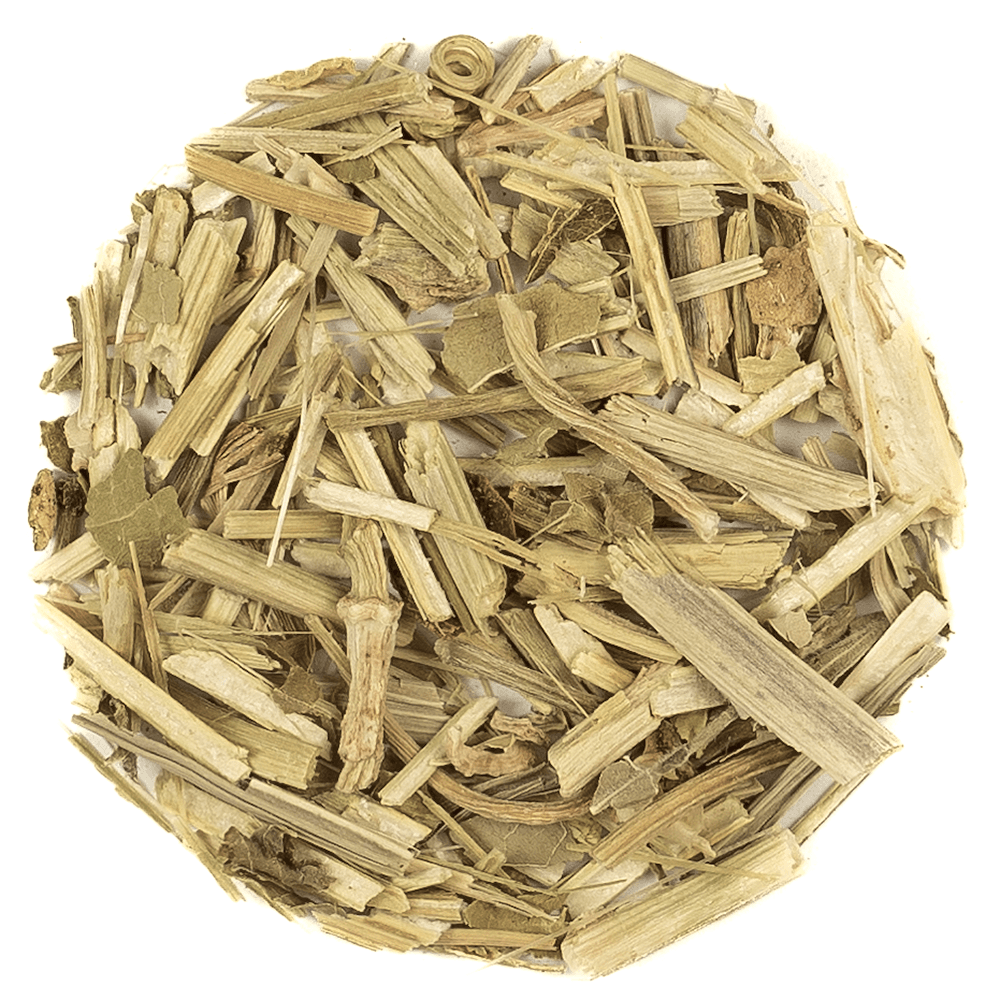
Milk thistle's reputation has nothing to do with why people first noticed it. The plant is native to the Mediterranean and spread into Central Europe, the Americas and southern Australia, favouring dry, rocky ground where it grows tall and spiky with purple flowers. Crush the leaves and a milky fluid seeps out, which is where the name comes from. That detail was recorded over 2,000 years ago by the Greek physician Dioscorides, who noted the plant's use for snake bites and helped establish its long association with the liver. What started as a medicinal herb has, over centuries, become a tea people drink simply for the cup.
The brew itself is naturally caffeine-free, with a slightly bitter edge softened by a hint of sweetness. Expect a nutty, earthy character with grassy undertones, and among the tasting notes: floral, lemon, date, honey, milk and even a faint coffee note. It has long been drunk for its reputed detoxifying qualities and its ties to liver health, and some people turn to it for digestion, bloating, or general wellbeing thanks to its antioxidant and anti-inflammatory reputation. None of this is settled science — the tea has centuries of traditional use behind it, but the health claims remain more folklore than proven fact.
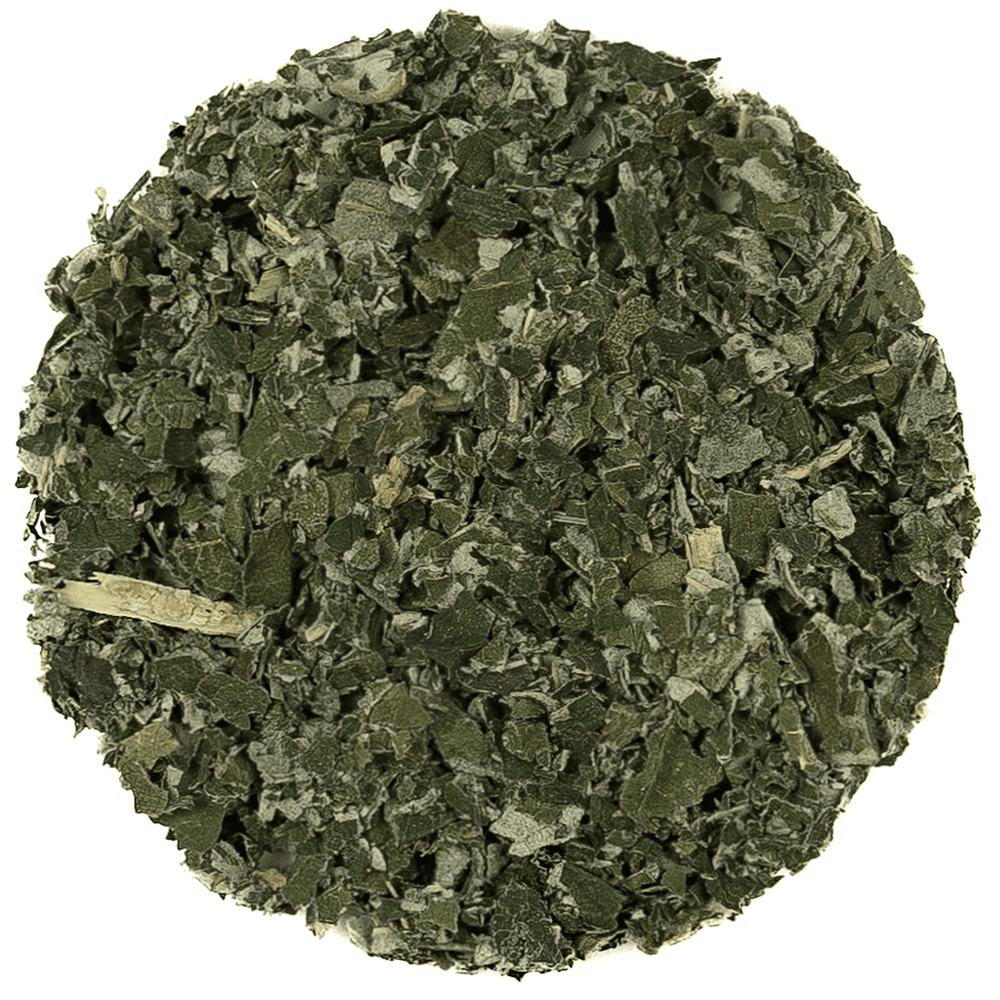
To brew it, use about a teaspoon of leaves per cup, pour over freshly boiled water, and let it steep for roughly ten minutes — longer if you want a stronger cup. Strain before drinking, and add honey or lemon if you like. Keep the leaves in an airtight container, away from heat and moisture, to preserve their freshness.