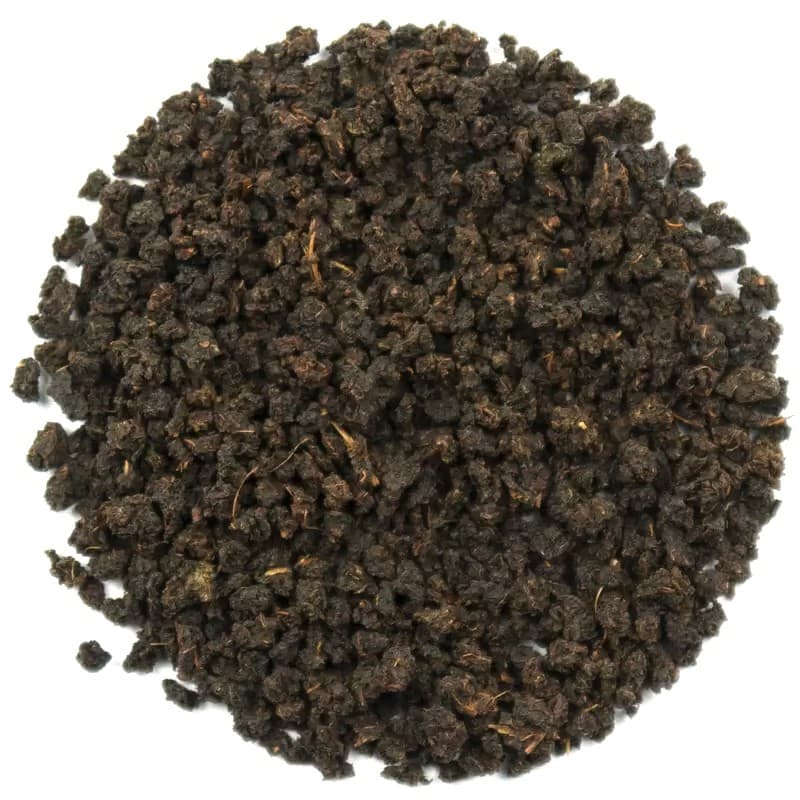
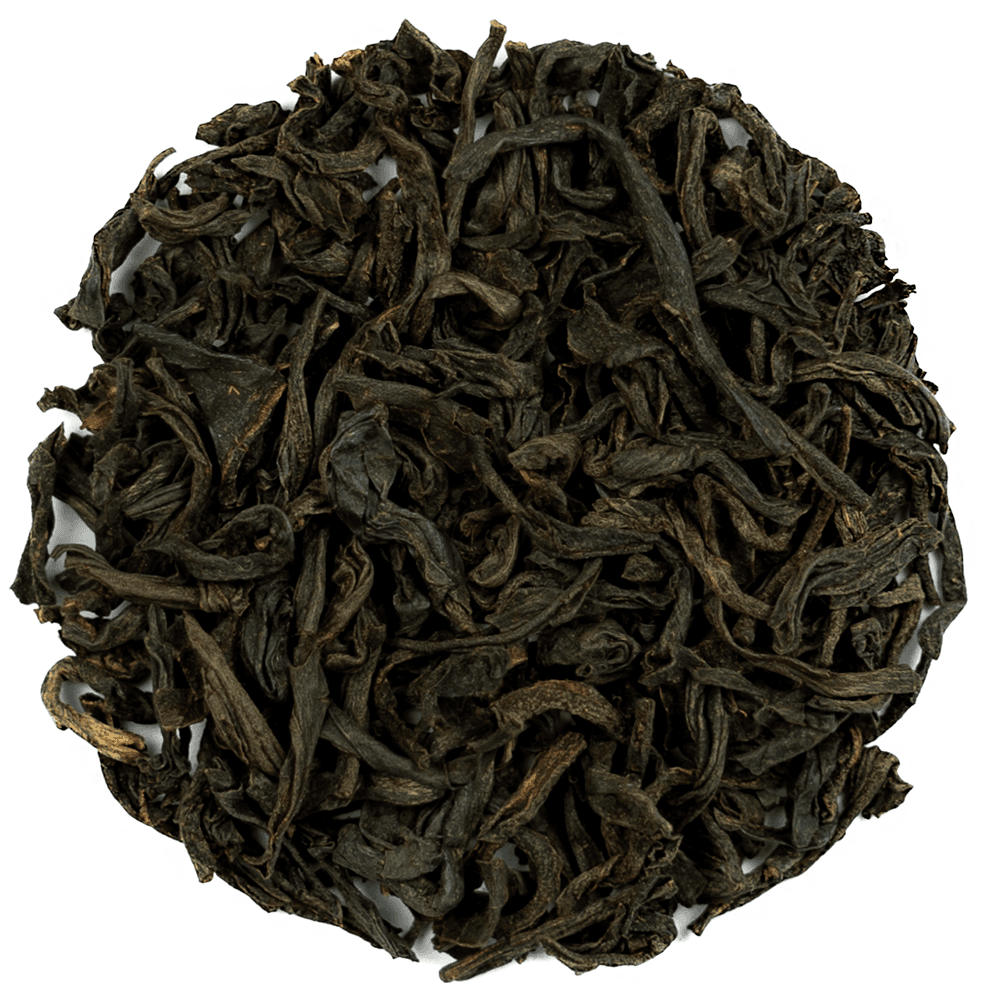
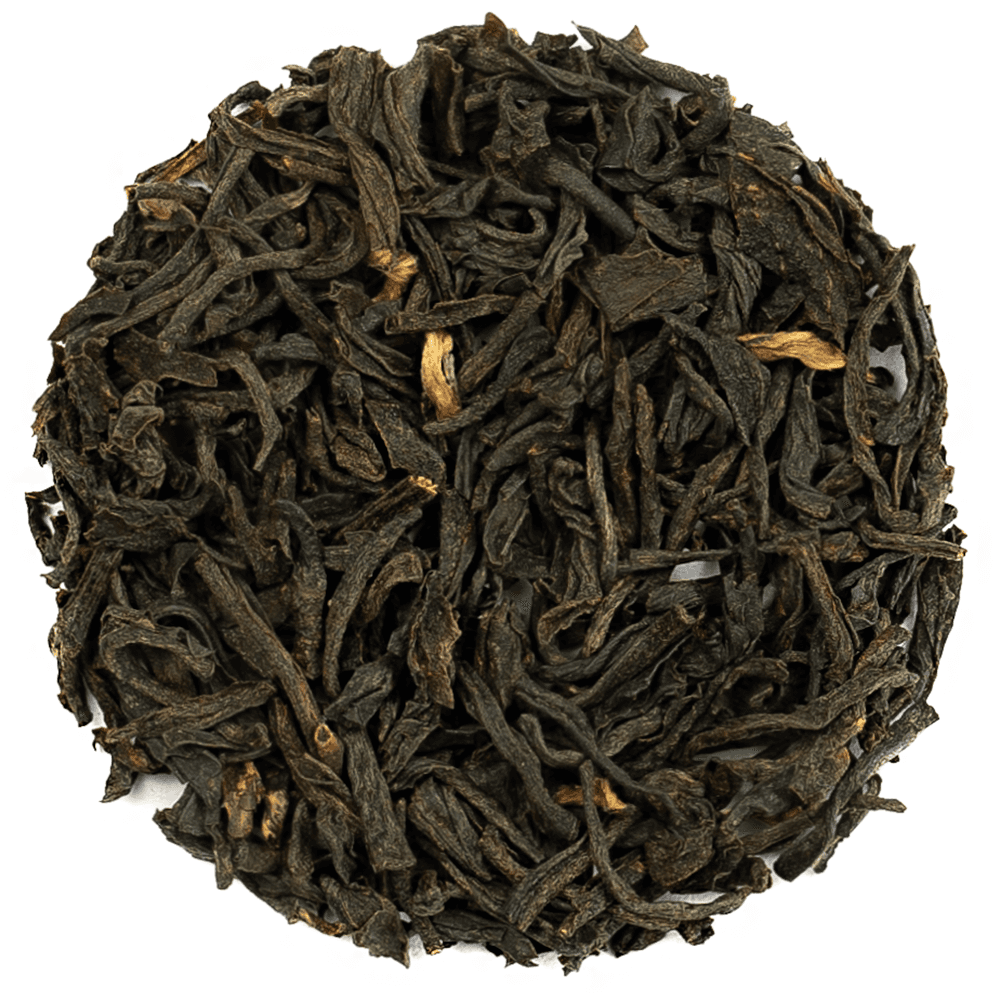
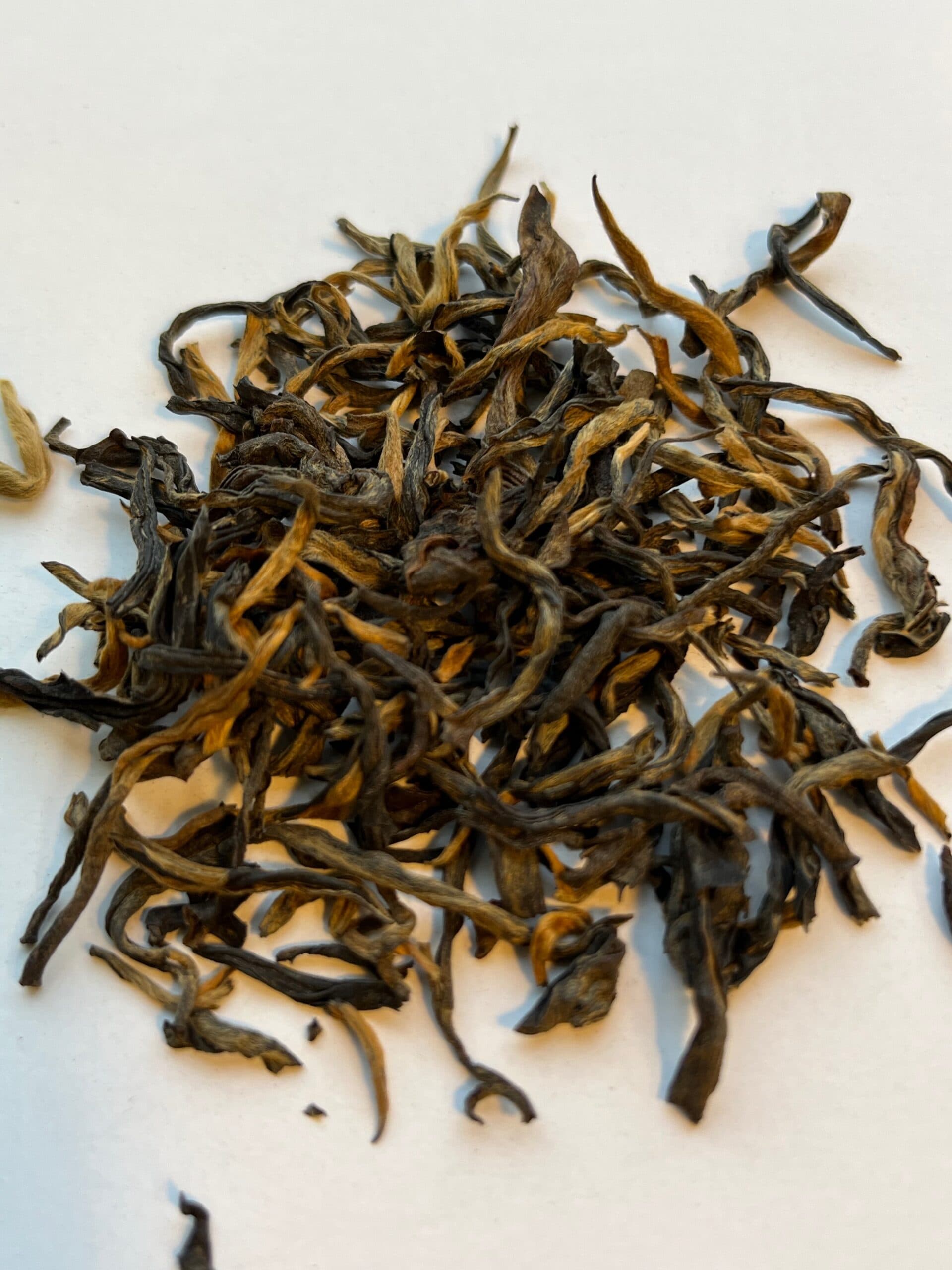
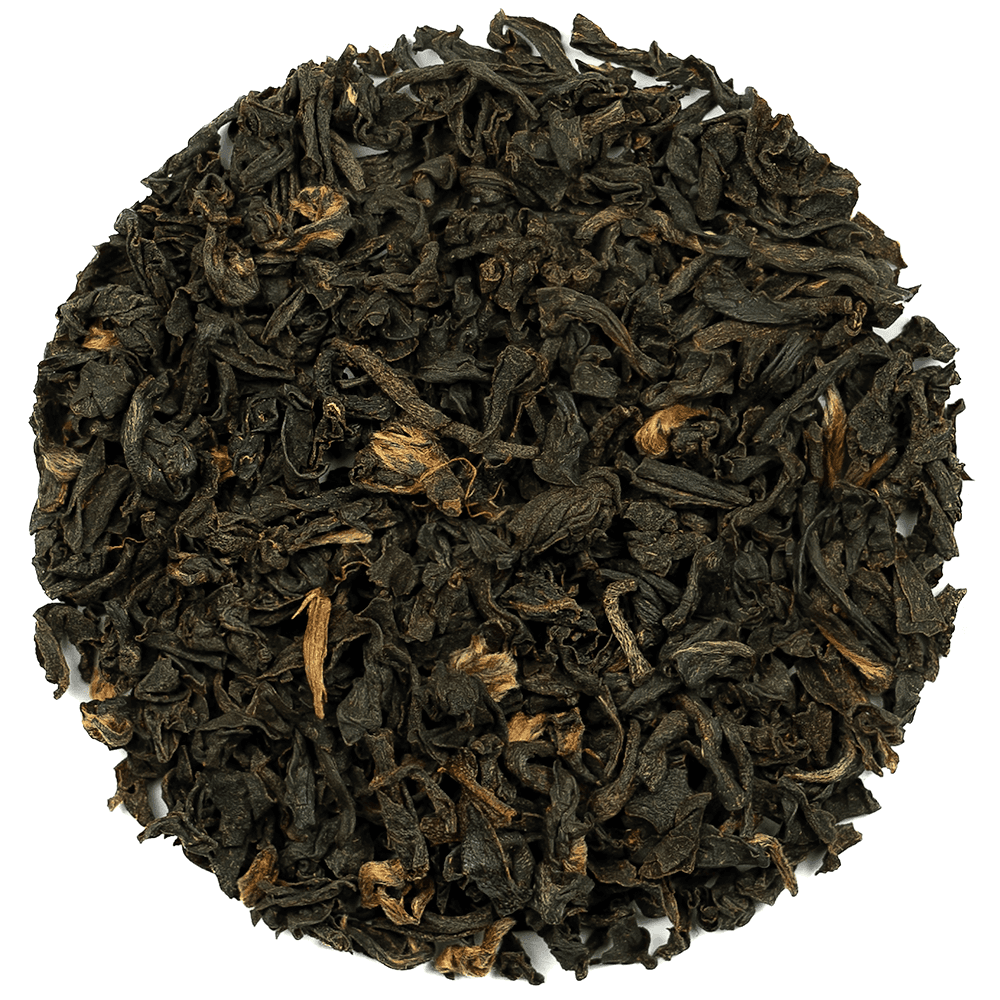
The Queen Mary in this blend's name isn't the sixteenth-century monarch but the ocean liner, where afternoon tea was part of the ritual of the crossing. This black tea brings together leaf from four very different growing regions: Assam and Nilgiri in India, the Nandi Highlands of Kenya, and the Dimbula district of Sri Lanka.
Kenya alone supplies around half of the UK's tea imports and is Africa's largest producer, ranked fourth in the world by some counts. Production there splits between large estates and an estimated 550,000 smallholder farmers, many working the Nandi Highlands west of the Rift Valley. Sri Lanka's Dimbula district sits between two high plateaus in Central Province, named for the valley at its heart; grown at altitude, it leans mellow and refreshing rather than sharp.
In India, Nilgiri tends to sit in the shadow of its better-known neighbour Assam. It grows high in the Western Ghats of South India, where mid-summer monsoon rain feeds the gardens, and some leaf is still picked through winter as so-called "Frost Teas". Assam itself grows Camellia sinensis var. assamica, a different plant variety from the Chinese Camellia sinensis var. sinensis found in most Nilgiri tea. Together the four origins give the blend its malty depth, floral edge, and notes of lemon, honey and even a faint trace of coffee, with a body that takes milk well.
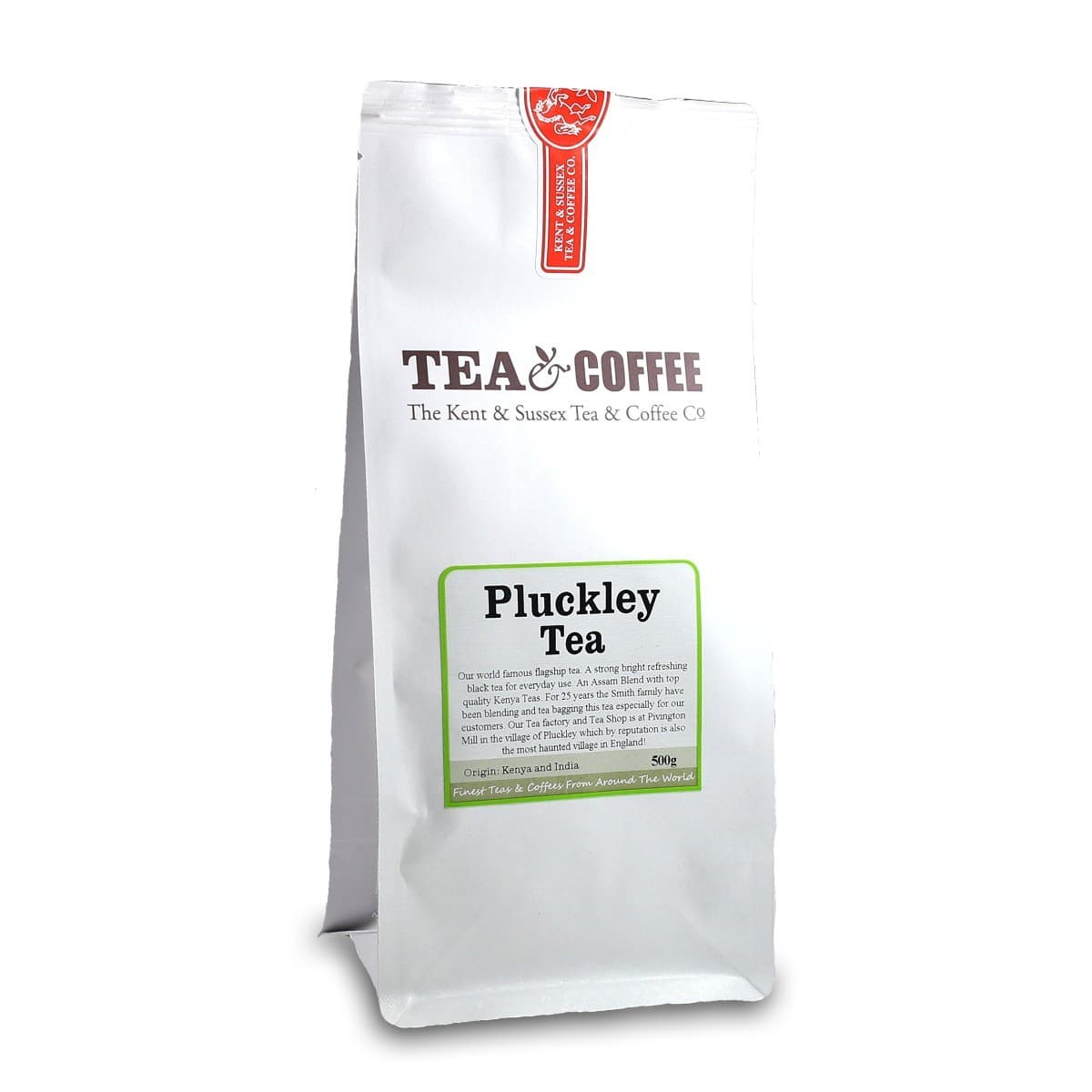
Tea & Coffee, which sells this blend, packs it fresh to order and recommends brewing loose leaf in an infuser or filter, covered with freshly boiled water and left to steep for around four minutes. Milk, sugar, honey or lemon can all be added, though the company reckons the flavour holds up best plain. Black tea's antioxidants have long been credited with supporting general wellbeing, though that's a traditional claim rather than a settled one.