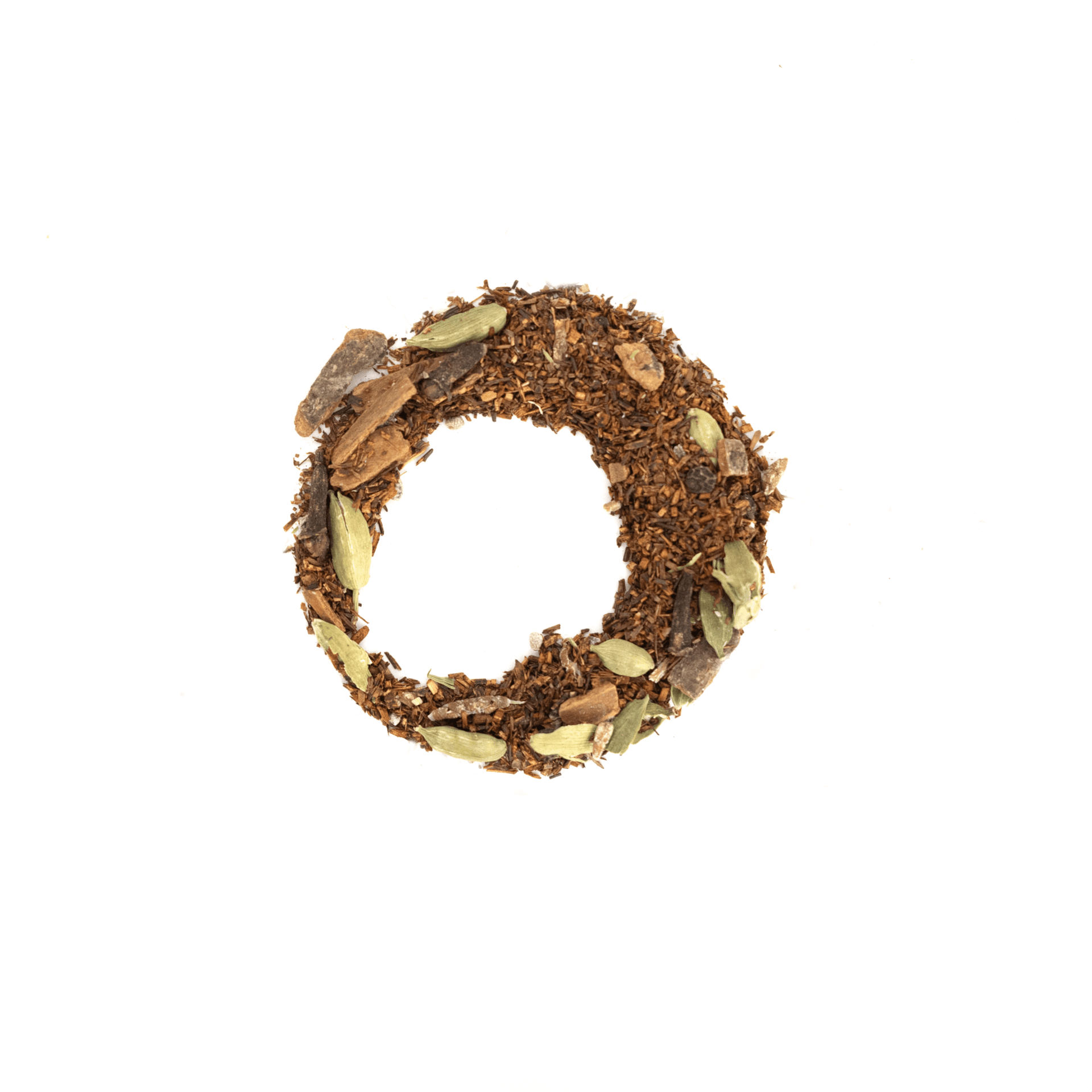
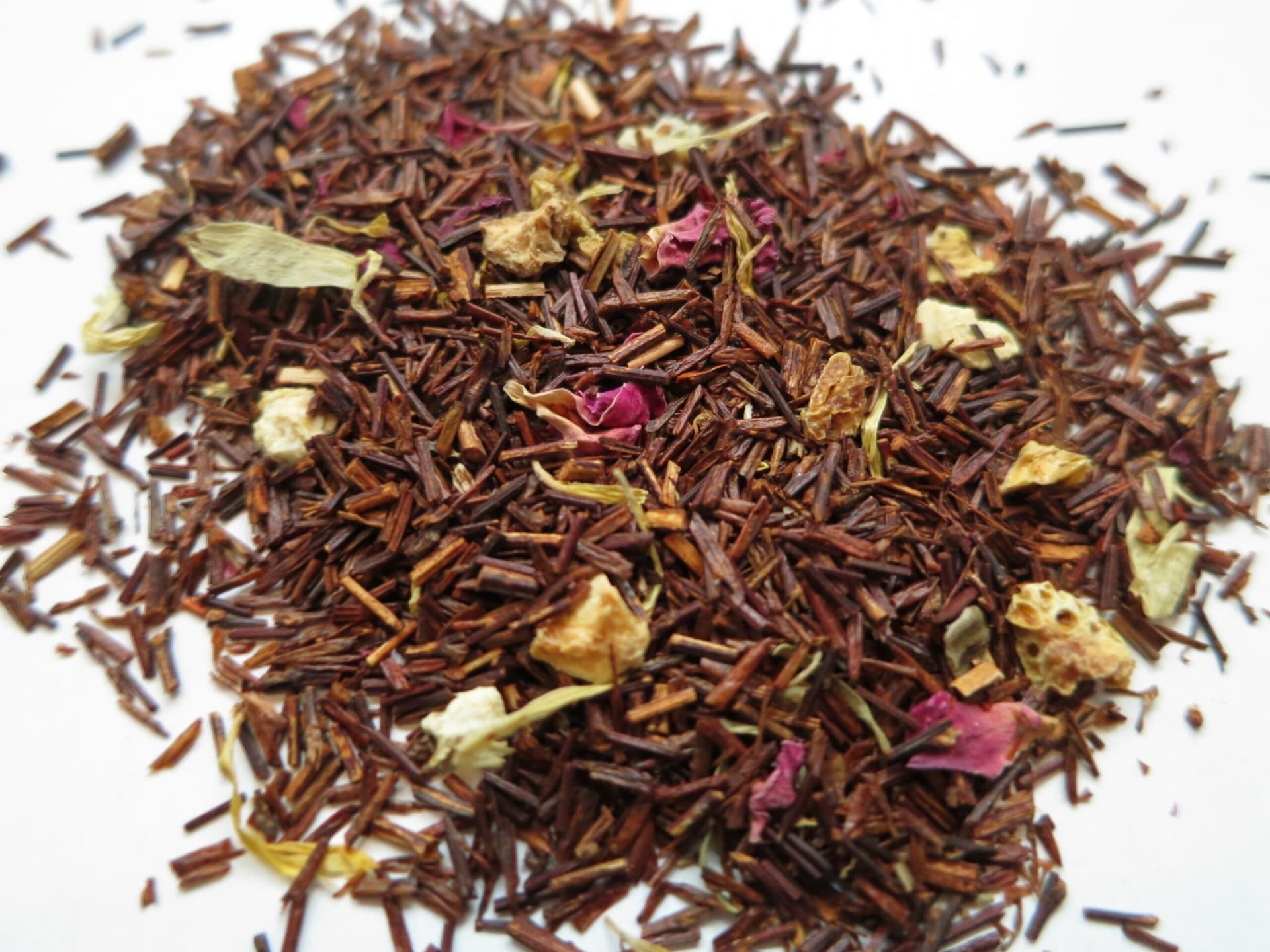
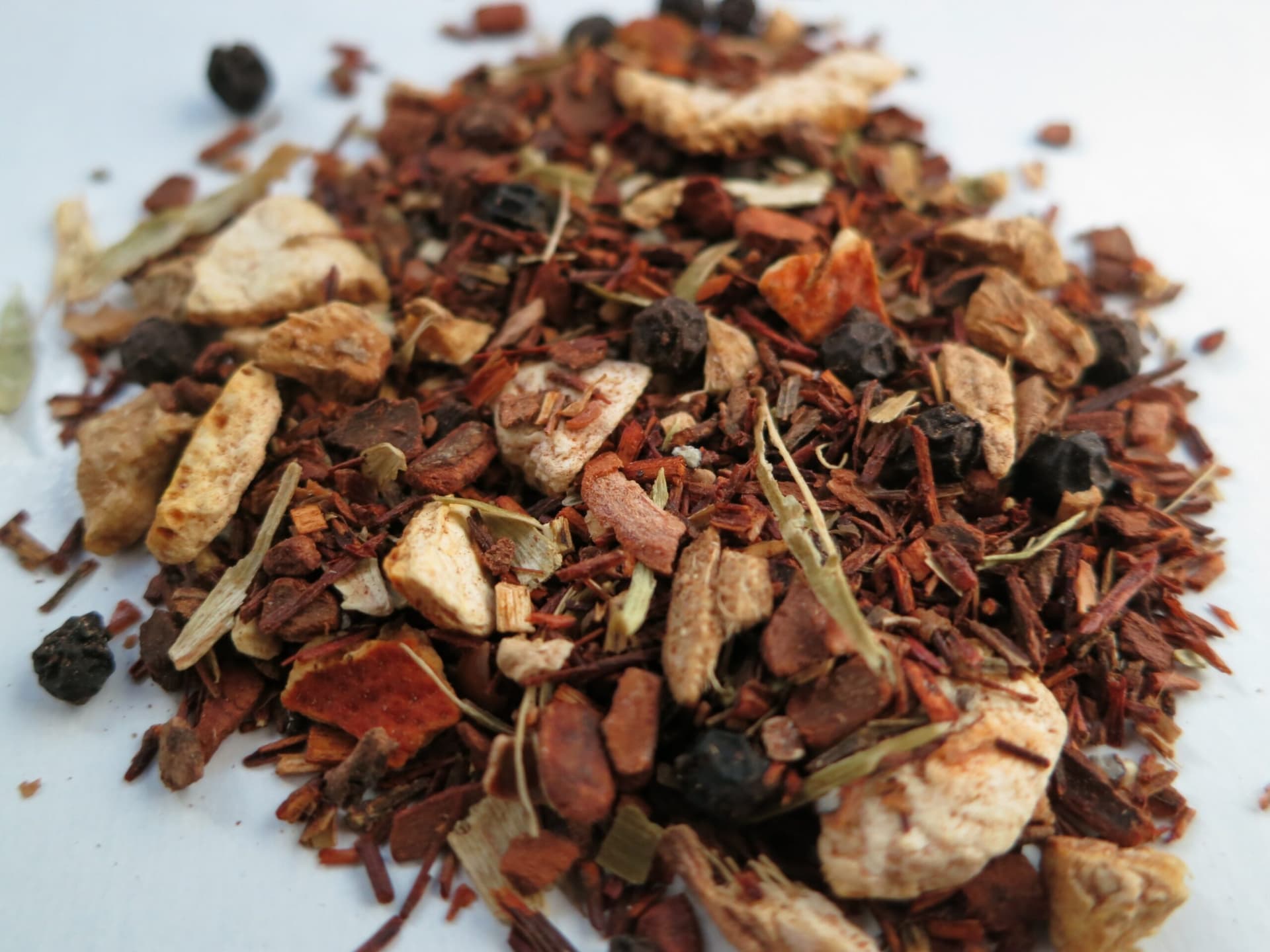
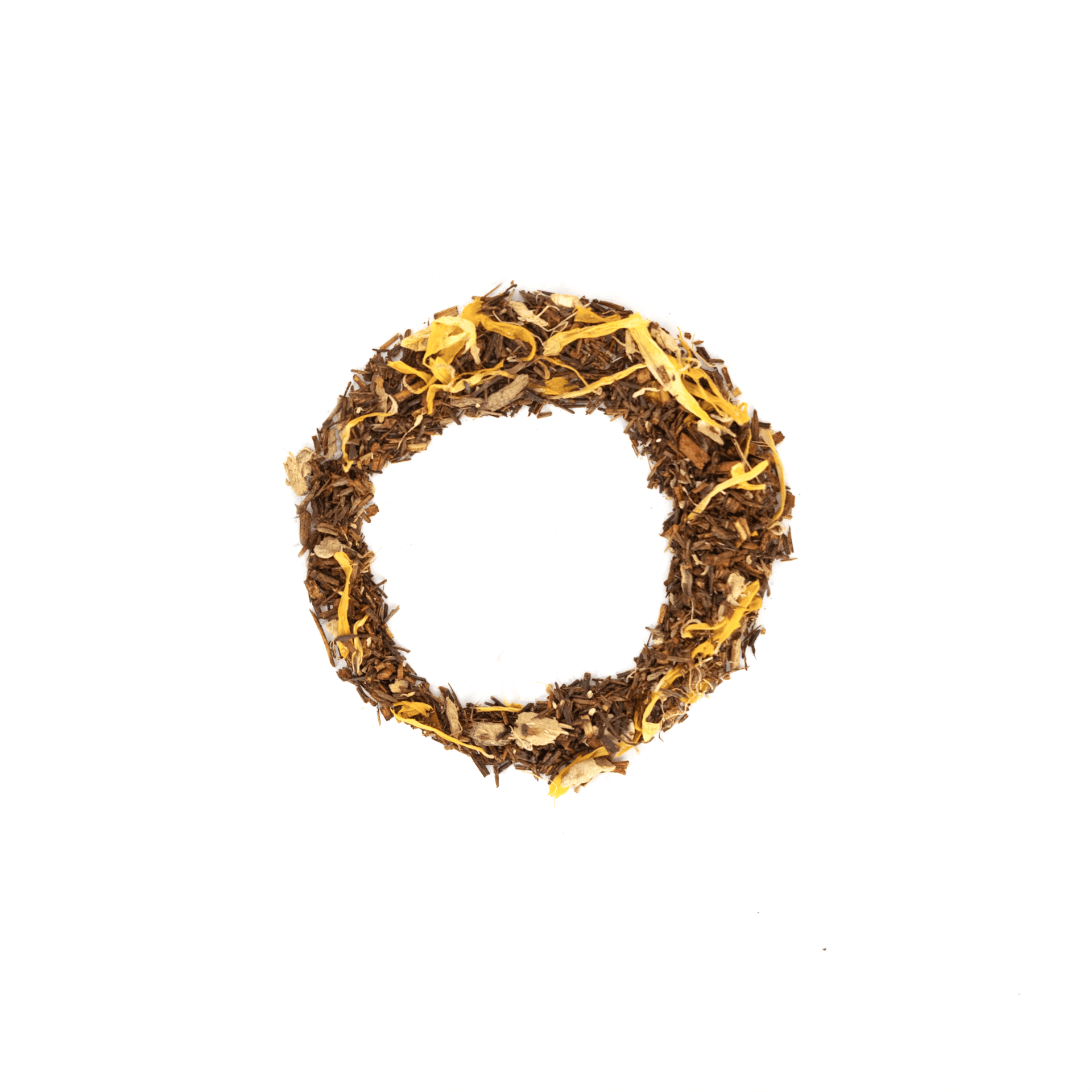
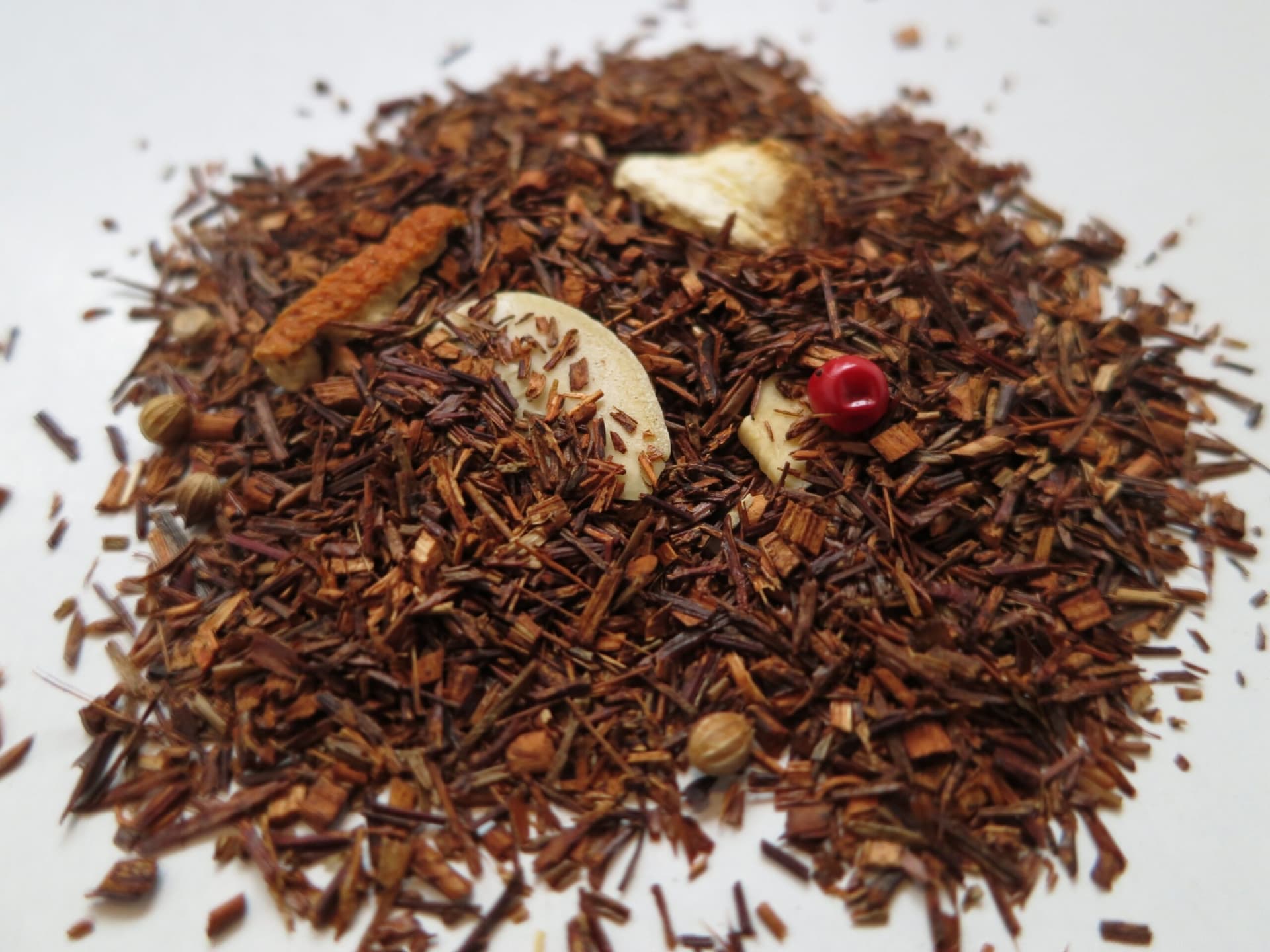
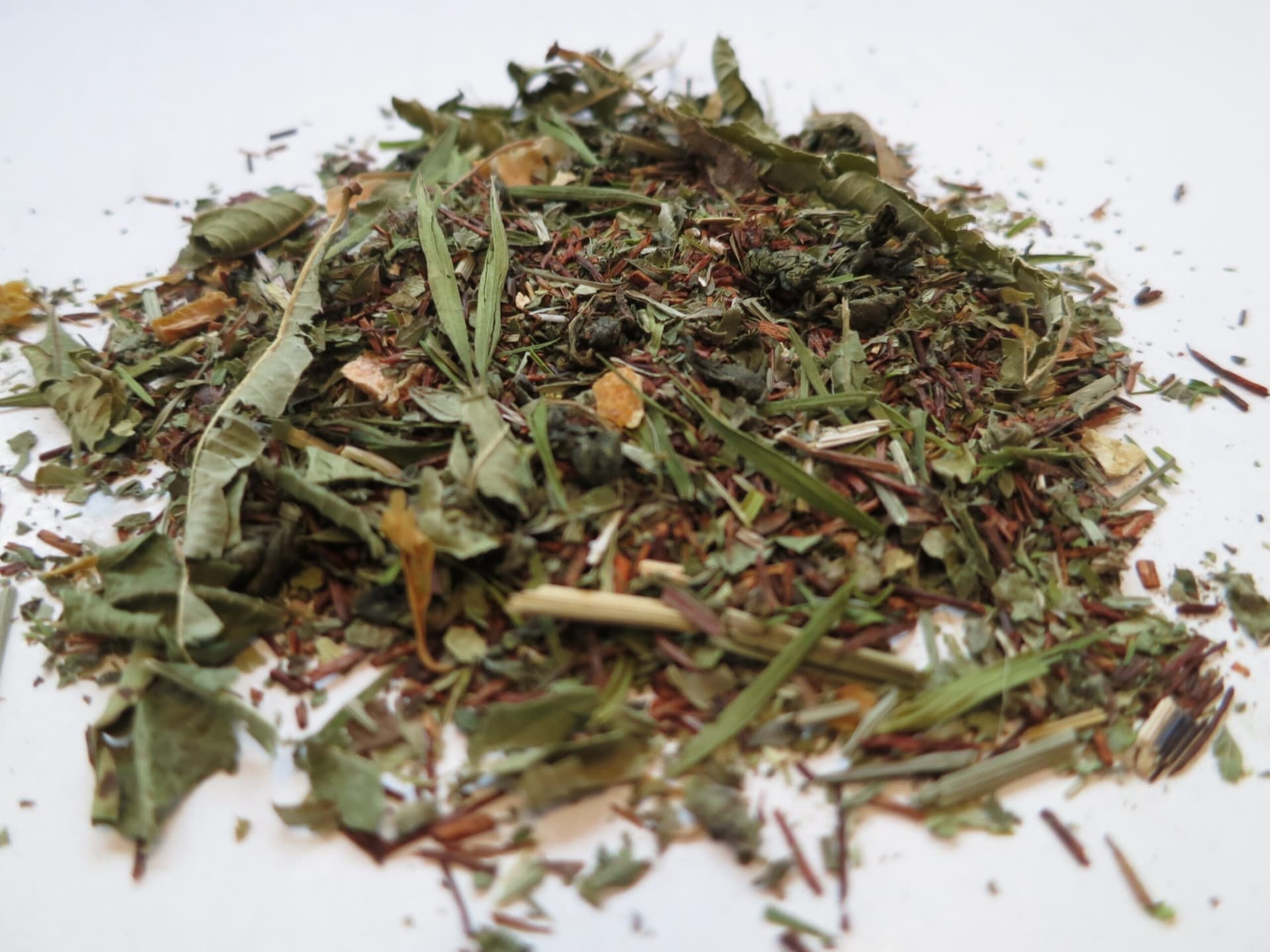
The smell is floral, rosebuds and peony petals up front, but that is a bit of a decoy: the first sip carries a real kick of spice, with a bright hint of orange running underneath and pepper and clove trailing behind. In the cup it settles into a dark, ruby-toned liquor, and the chilli does not hold back.
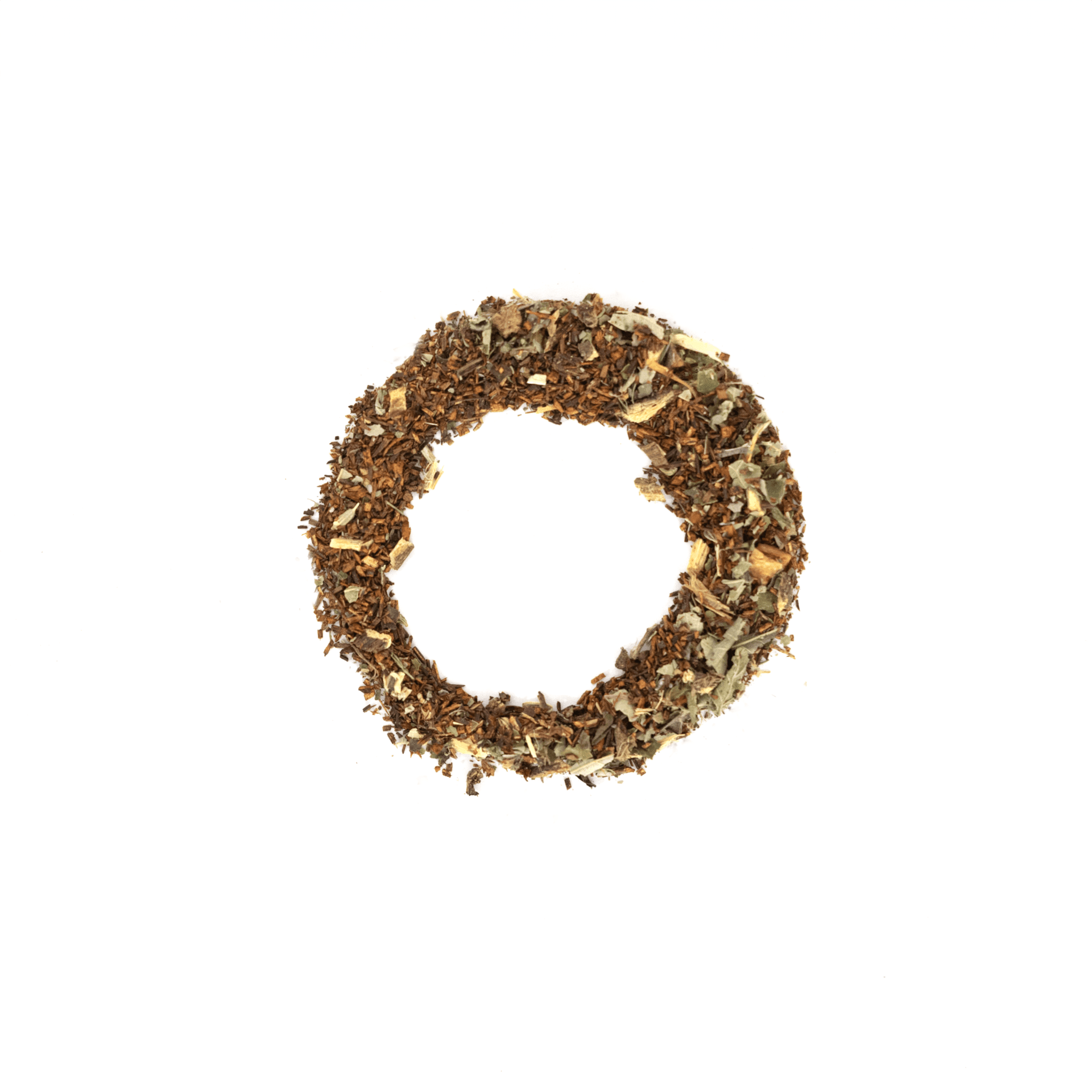
The base is rooibos, blended with rosebuds, safflower petals, peony petals, carrot flakes and natural flavouring, built around chilli for the heat. Anyone who wants more can add extra chilli to the pot, which raises the intensity without changing anything else about the blend.
Rooibos itself has a history that predates any spiced version of it. It grows only in South Africa's Cederberg region, in the Western Cape, and was drunk by the Khoisan people there for centuries before it nearly disappeared as their numbers fell. A Swedish botanist, Carl Thunberg, rediscovered the plant in 1772, though it took well over a century to gain real traction in Europe. That changed in 1904, when a Russian immigrant tied to the tea trade began marketing it as a "mountain tea", a herbal stand-in for green and black tea. The Second World War gave rooibos its biggest break: with Japanese occupation cutting off the usual tea imports, suppliers turned to South Africa, and rooibos seed prices spiked as demand outstripped supply. The Indian market helped ease that strain once the war ended. Interest surged again in 1968, after Dr Annique Theron published Allergies: An Amazing Discovery, describing how the tea had helped her 14-month-old daughter sleep despite severe allergies.
Rooibos has long been drunk for its traditional health properties, associated with cardiovascular and bone health and said to have antispasmodic qualities; it is also said to contain quercetin and bioflavonoids, compounds traditionally linked to healthy circulation. To brew, use freshly boiled water and let it steep for eight to ten minutes. Honey or lemon will soften the heat if a milder cup is wanted, or drink it neat for the full spice.