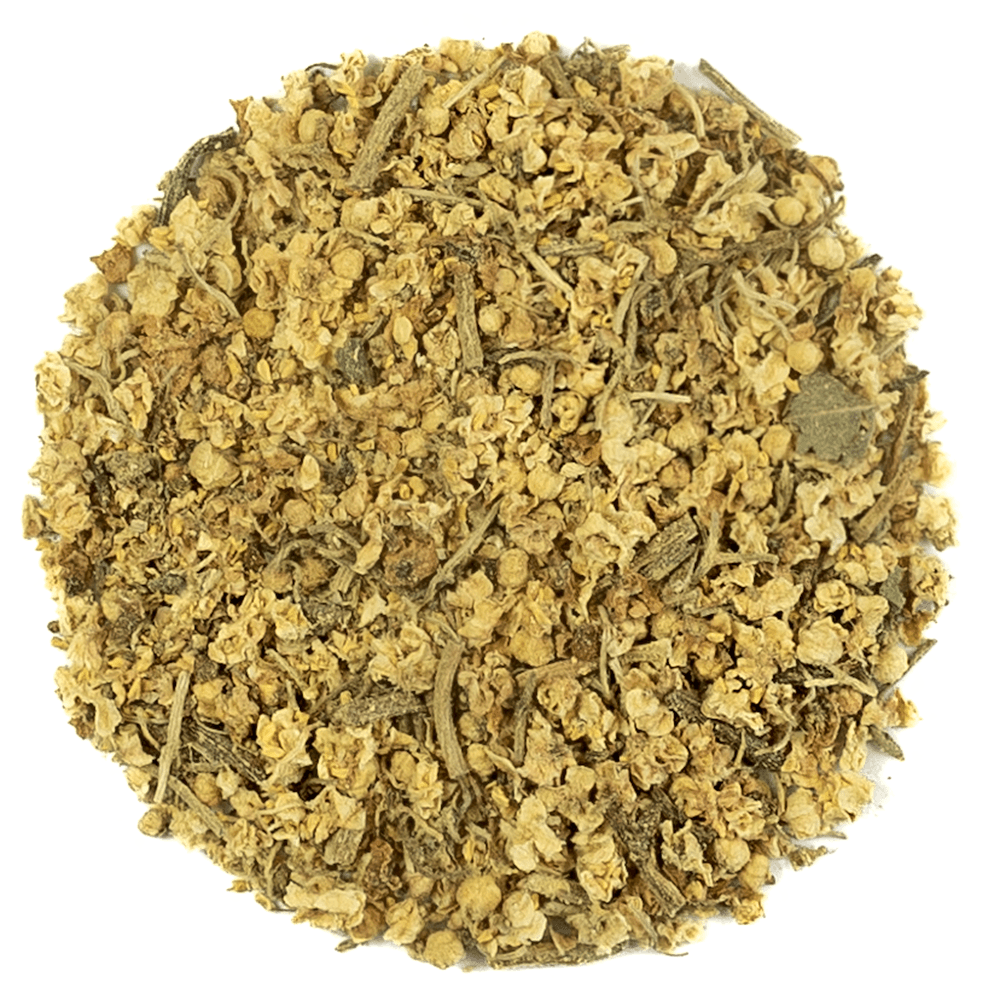
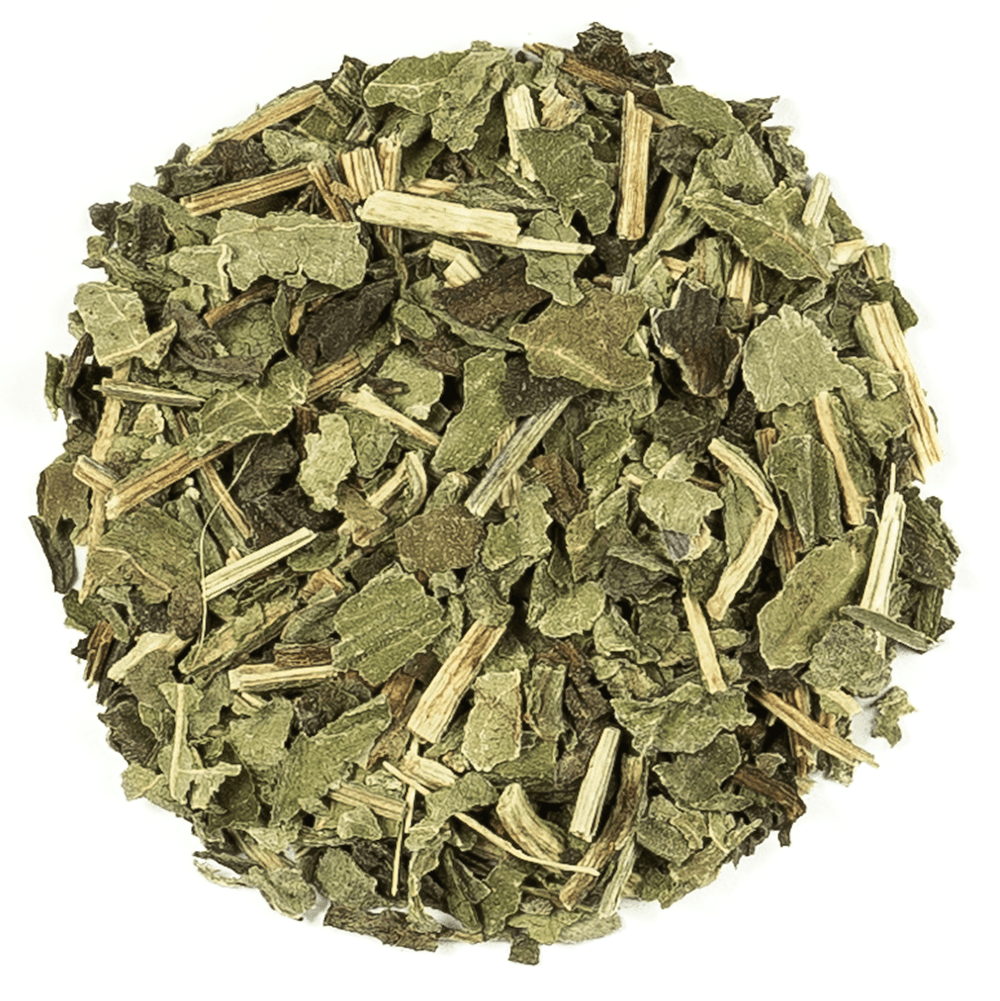
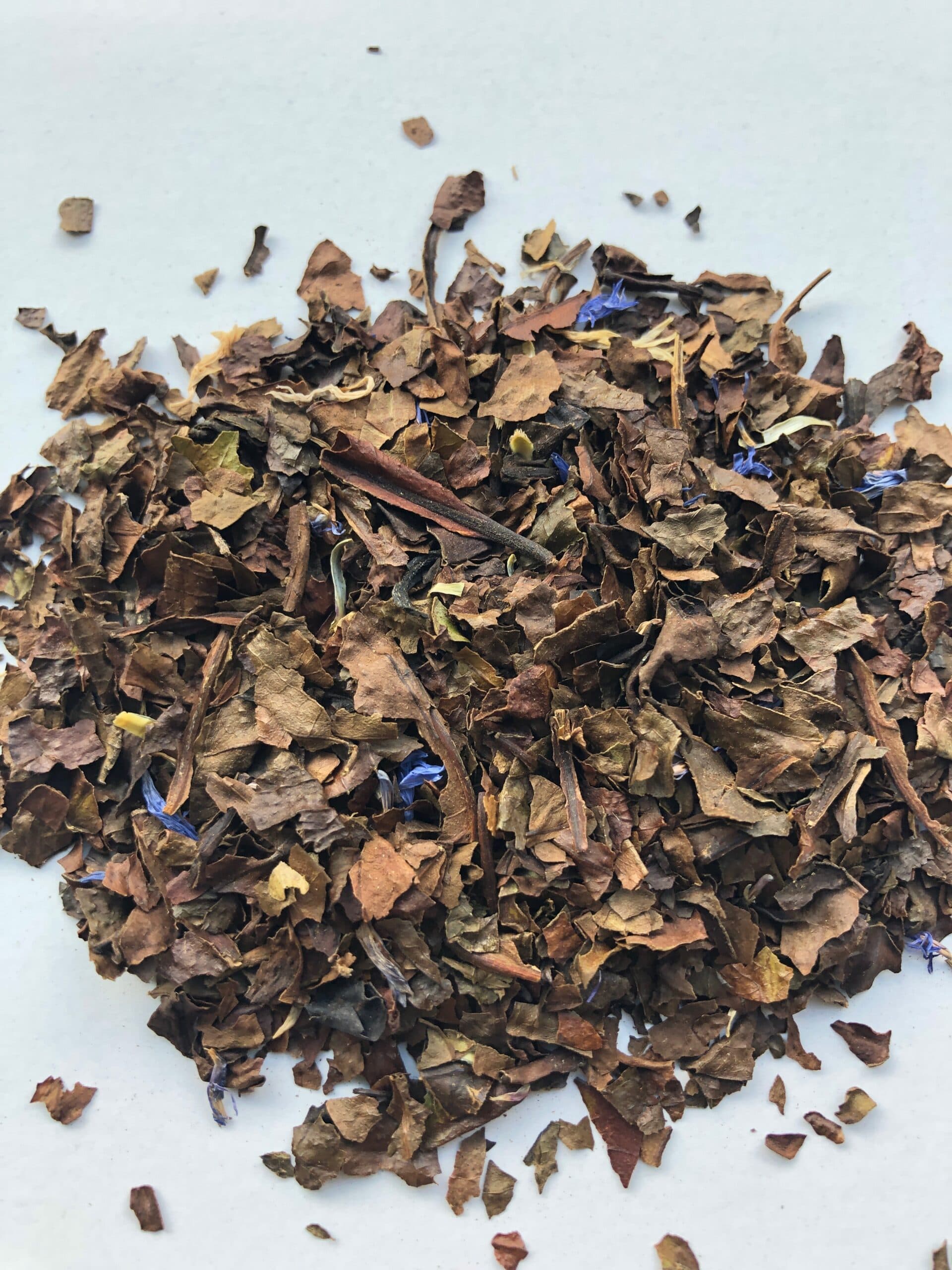
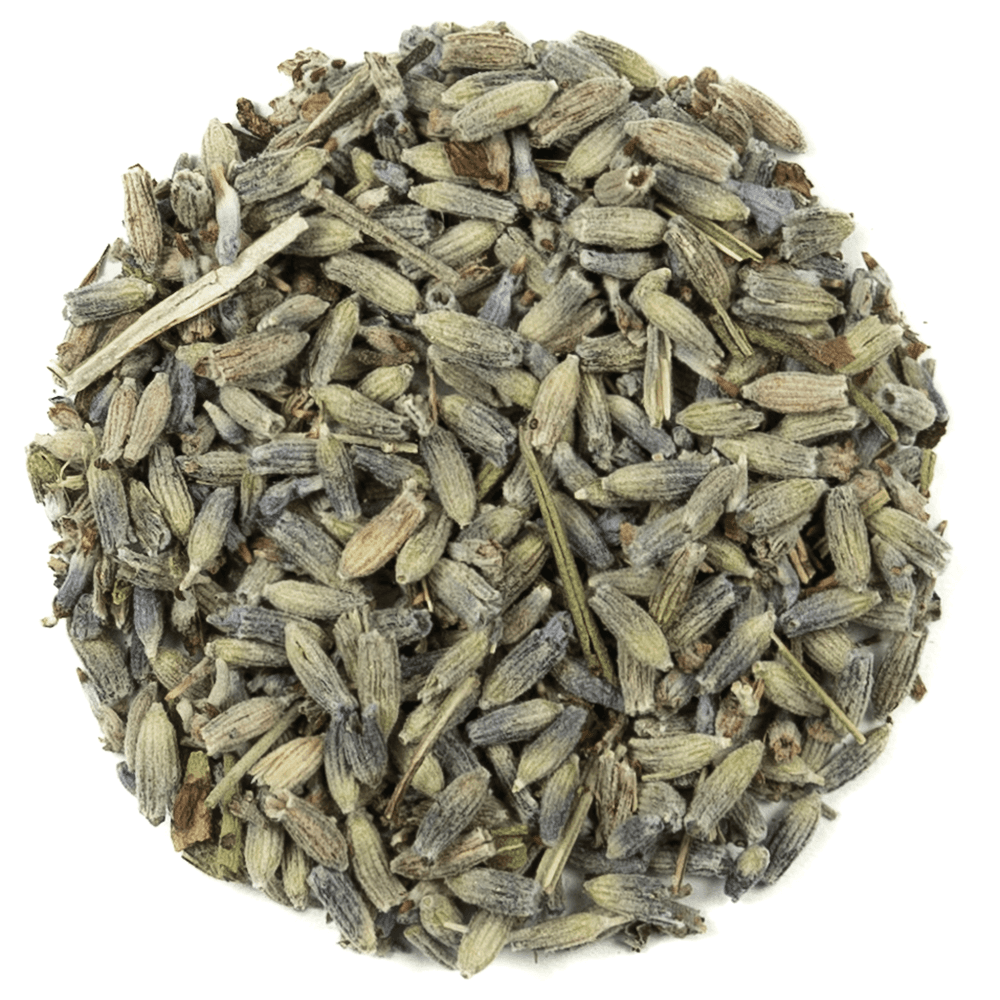
Rose Buds Tea brews up pale gold with a scent that's unmistakably floral, and the cup itself carries that same sweetness through into a woody, faintly vegetal finish, with a curious note of coffee running underneath. It's an herbal infusion made from the whole bud, each one built from four or five petals split into two lobes, and it holds together well in hot water rather than falling apart into flakes.
Roses have been around far longer than anyone has been drinking them: they existed roughly 35 million years before cultivation began, which archaeological evidence puts at about 5,000 years ago. English history gave the flower a political edge in the 15th century, when the House of York took the white rose as its emblem and the House of Lancaster took the red — a rivalry that became the Wars of the Roses. These days the flower's conflicts are over, and it ends up in a cup rather than on a battlefield.
Because it comes from the rose plant rather than Camellia sinensis, it has no caffeine, unlike true teas or coffee. That makes it a reasonable choice for an evening cup or anyone cutting back on stimulants. It has long been drunk for its antioxidant content, and some traditional use points to gallic acid in the petals for calming effect, though none of that should be mistaken for a treatment.
To brew it, pour water at a full boil, 100°C, over the buds and let them steep for around seven to eight minutes — toward the long end of the usual five-to-ten-minute range — to let the floral character fully open up. It needs nothing added: no milk, no sweetener, just the buds and water.