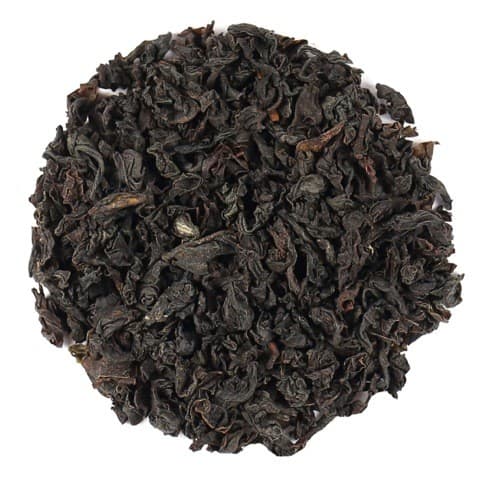
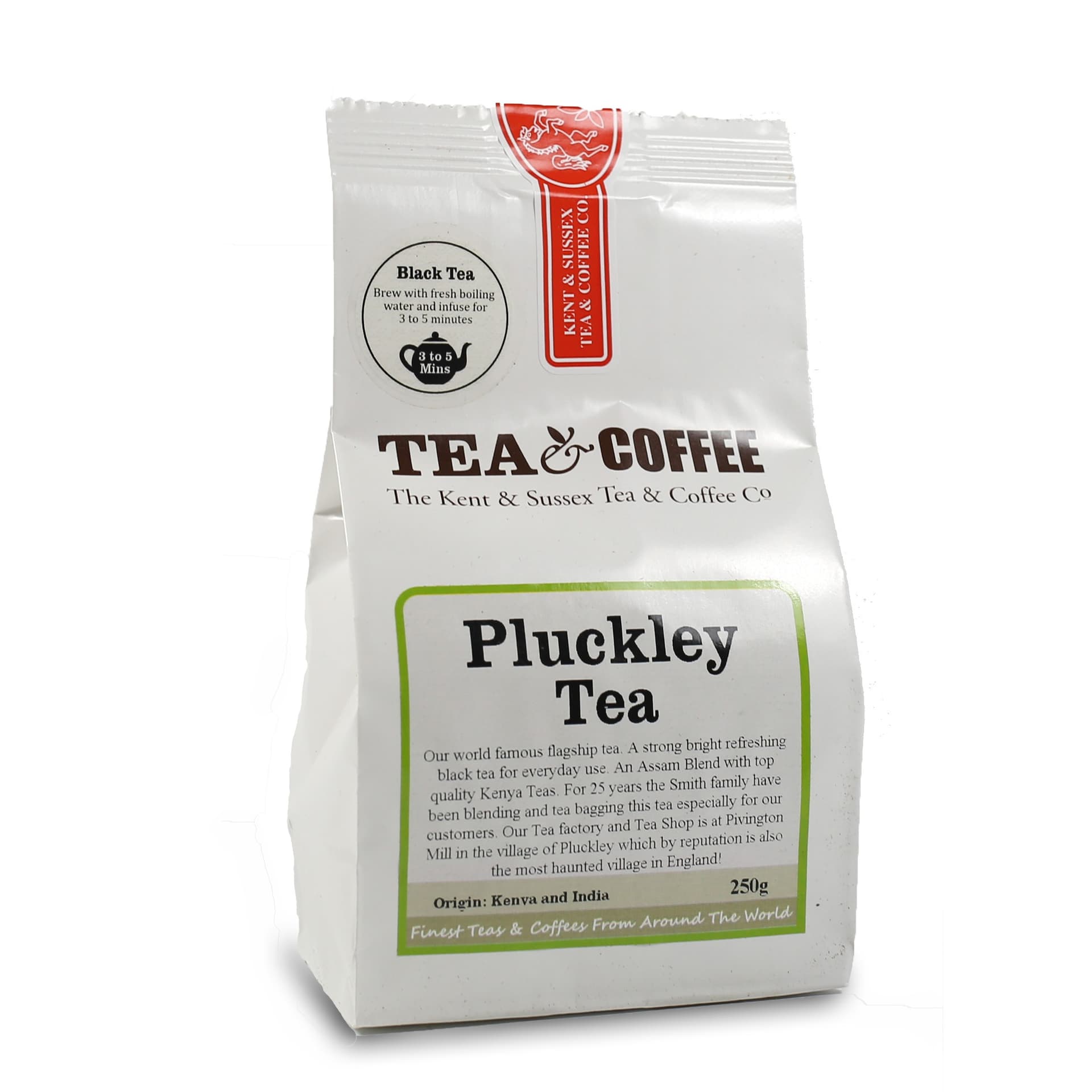
A blend of Assam and Kenya teas, this one leans into a deep, malty core with a thread of sweetness and earthy undertones beneath it. In the cup it pours a deep coppery liquor with ruby highlights, light in tone, and it carries enough body, thick and almost coffee-like, to take milk well. Some drink it plain; just as many add milk or sugar, or a spoon of honey or a squeeze of lemon.
Both parent teas come from the same plant, Camellia sinensis var assamica, but arrived by different routes. Assam tea traces back to 1823, when a Scotsman named Robert Bruce found it growing wild in the region; Assam now produces well over half of India's tea output, helped by the heavy rainfall and humidity of a landscape ringed by the Himalayas, the Brahmaputra plains and the Deccan plateau. Kenya's tea history started later, and almost by accident: G.W.L. Caine planted the first bushes there in 1903 purely as ornamental plants, and it took until 1918, when Arnold Butler McDonell recognised their commercial potential, for a real industry to take root. Kenya's tea today is grown largely by small estate farmers, some 550,000 of them, working the highlands on either side of the Rift Valley at altitudes up to 2,700 metres, with the Kericho region especially known for it.
The blend is named for Pluckley and was put together by Richard Smith of the Kent and Sussex Tea and Coffee Company, who brought chests of tea bags back from a spell living in India in the 1970s and, with his mother Janet Smith, packed them into batches of 40 and 80. It has stayed the company's best-known tea since.
Brew it with freshly boiled water and let it steep for three to five minutes. Like most robust black teas, it has traditionally been reached for as a relaxing cup at any time of day.