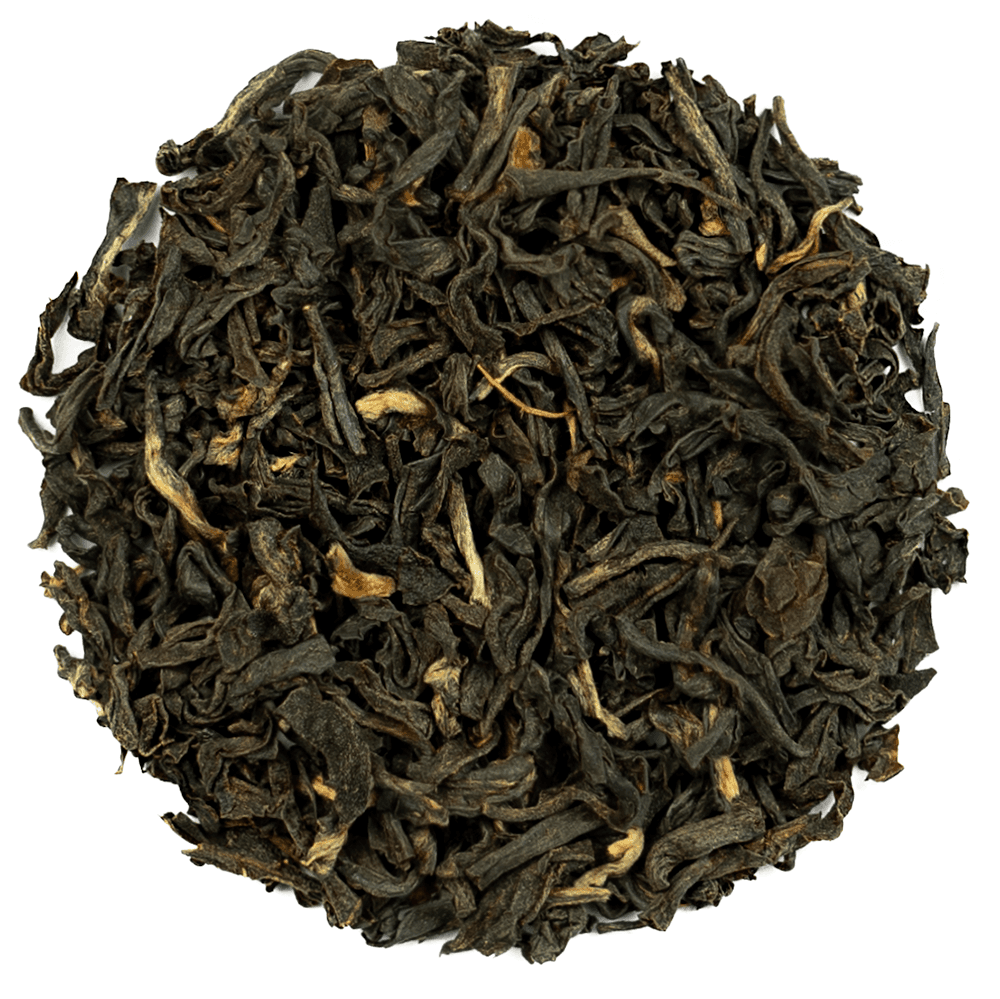
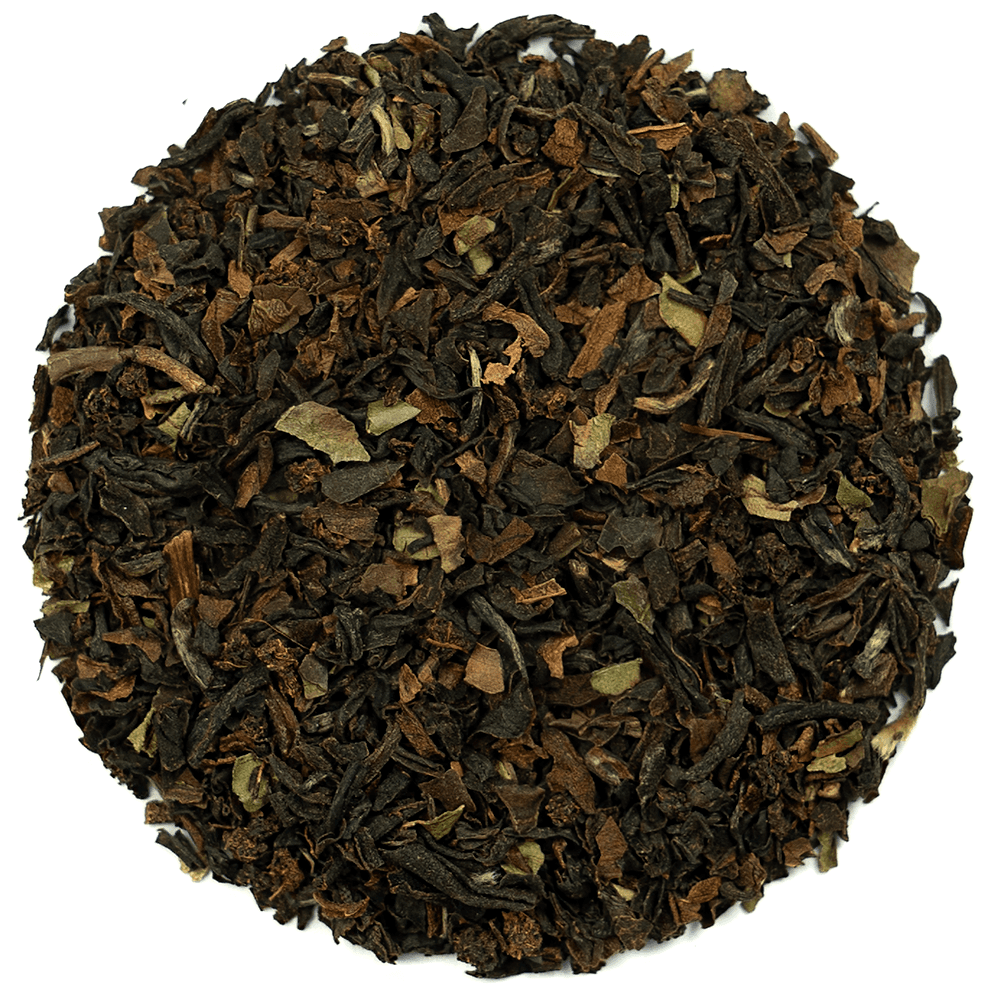
This broken orange pekoe comes from the Sarnia Estate in Sri Lanka's Uva Province, and it pours a coppery, light-toned liquor with red highlights. In the cup you get sweet, honeyed notes with a spicy edge and a bright citrus lift — closer to what most people picture when they think of a classic Ceylon black tea. The leaves themselves are modest-sized and wiry rather than long and whole.
BOP stands for broken orange pekoe, meaning the leaves have been broken into smaller pieces rather than left whole. That breaking exposes more surface area and gives a stronger, bolder cup than you'd get from flowery orange pekoe, which uses whole leaves and brews subtler. If you want a hearty, no-nonsense morning cup, this leans that way; if you prefer something gentler, an FOP is the better pick.
Uva sits inland from Kandy and Nuwara Eliya, two of Sri Lanka's other well-known tea districts, but it's one of the country's more remote and sparsely populated regions. Tea has been grown there for centuries and remains central to how people in the area make a living. Gardens sit at 900 to 1,500 metres and catch winds off both the northeast and southwest monsoons, conditions that shape the character of Uva teas generally.
Brew it with freshly boiled water for three to five minutes. Some drink it plain; more often it's taken with milk, sugar, honey or lemon, and it holds up well to any of those additions. An 8-ounce cup carries a fair amount of caffeine, roughly 45mg, enough to make it a reasonable choice if you want something to help you get going in the morning. Tea & Coffee packs this one fresh to order at its factory in Pluckley, in the Kent countryside. As with other Ceylon black teas, it's traditionally been drunk on the belief that regular cups can help settle the stomach, gastritis included, though that remains folk use rather than established fact.