No notes yet.
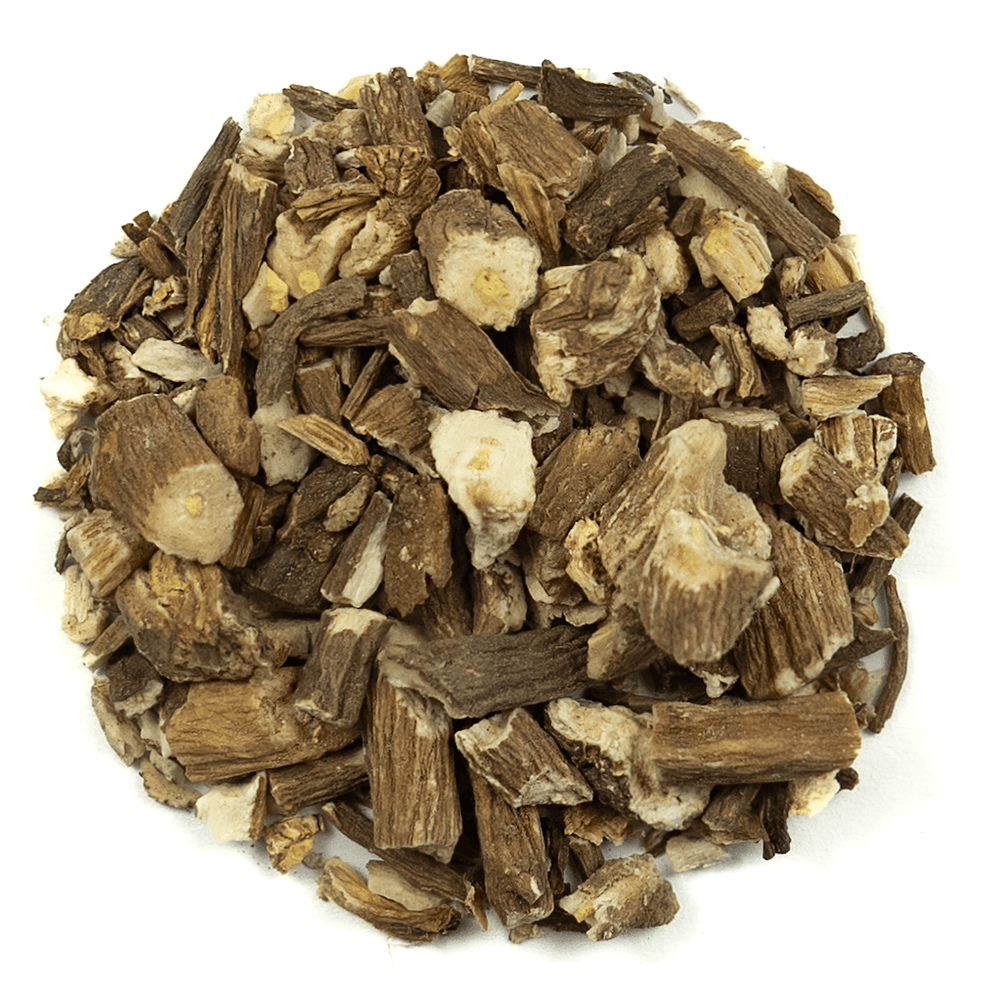
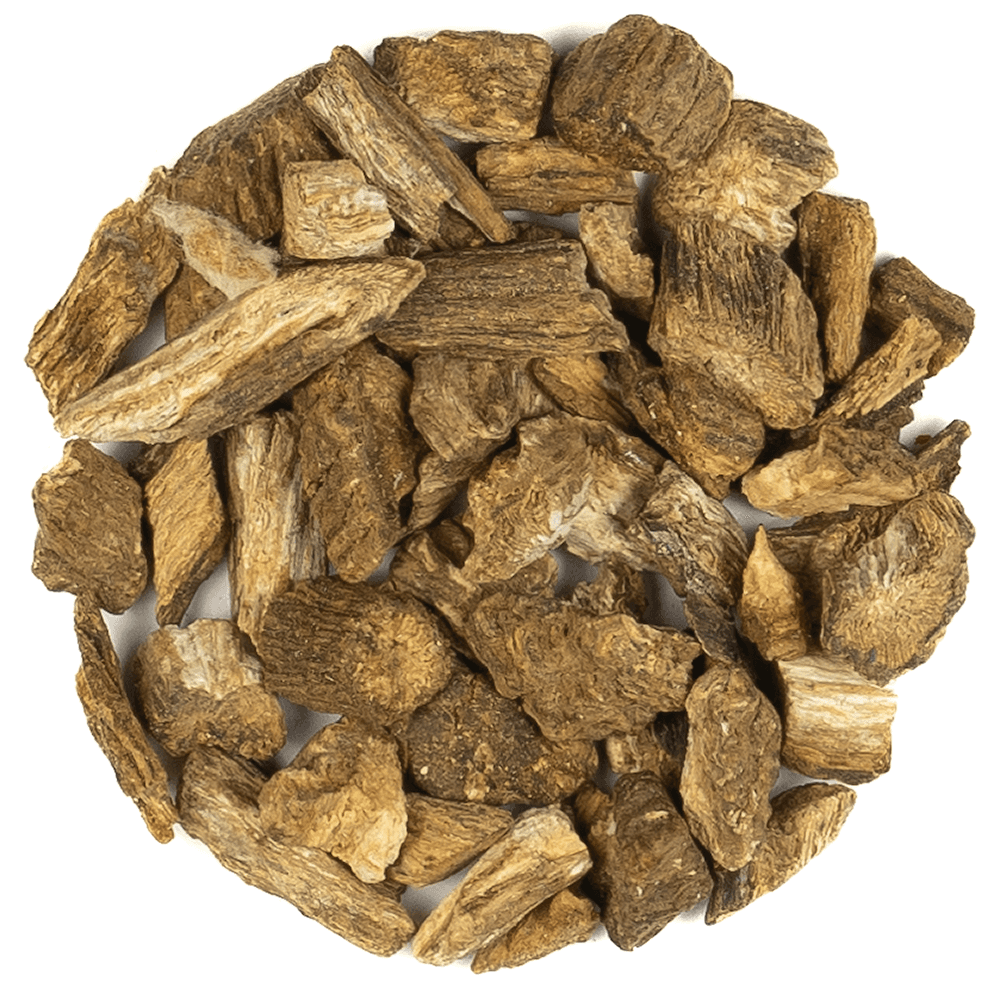
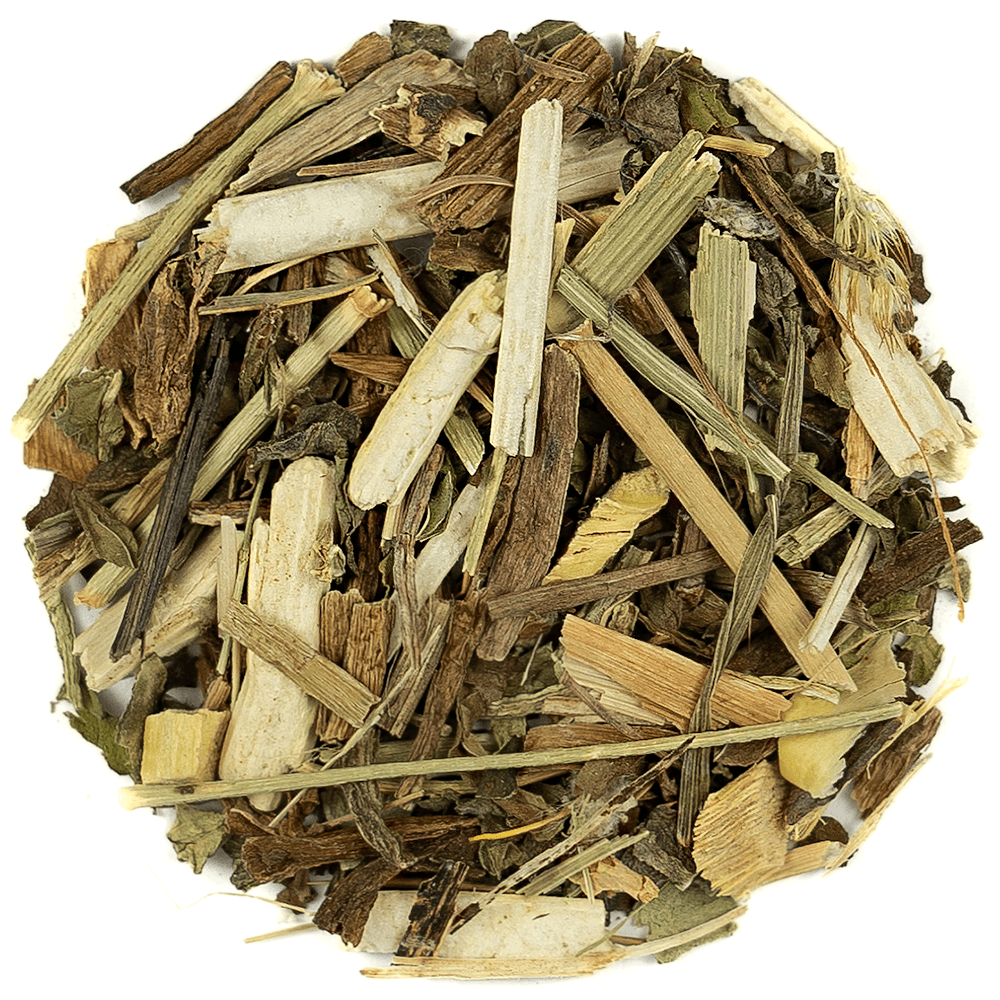
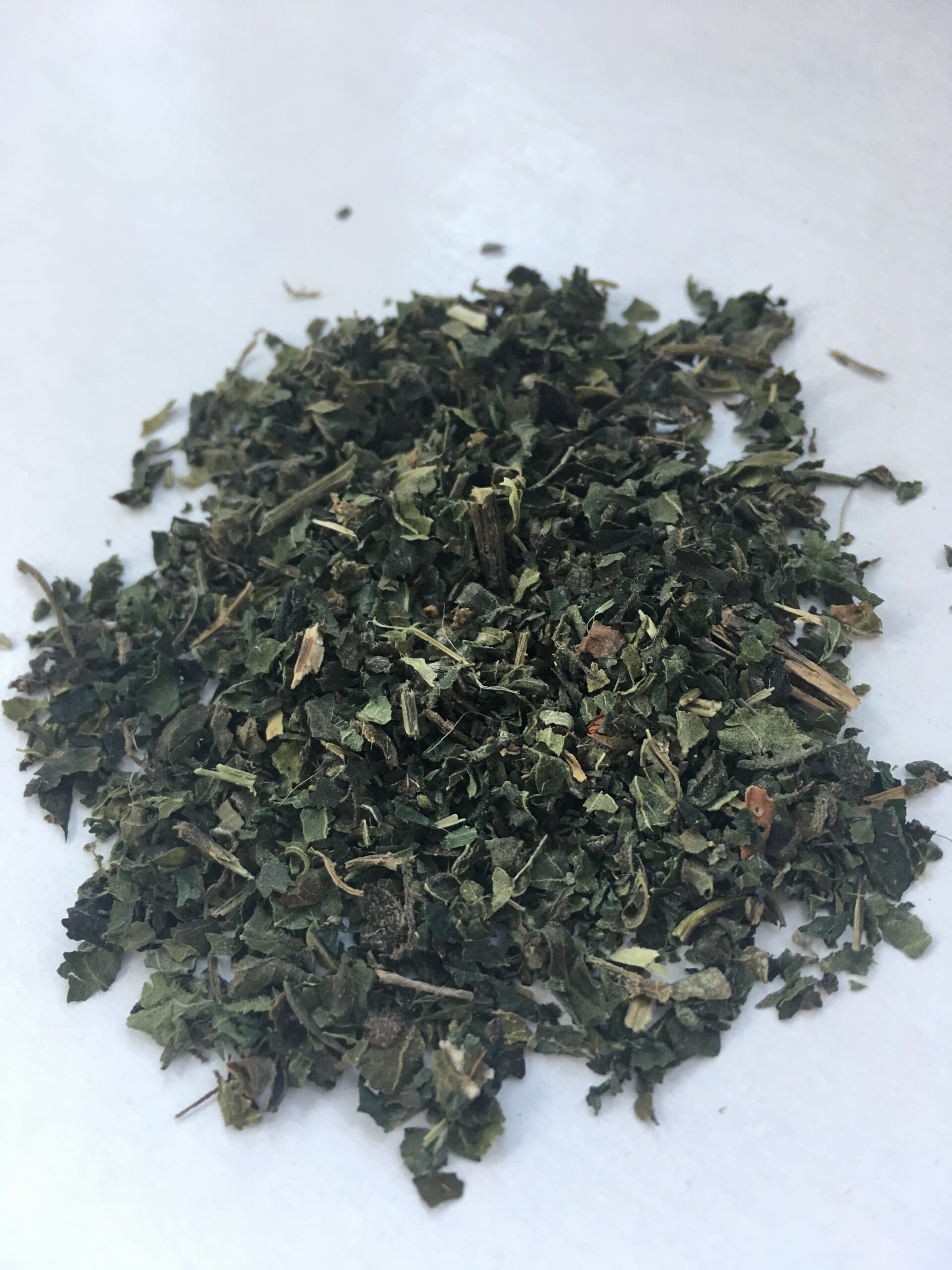
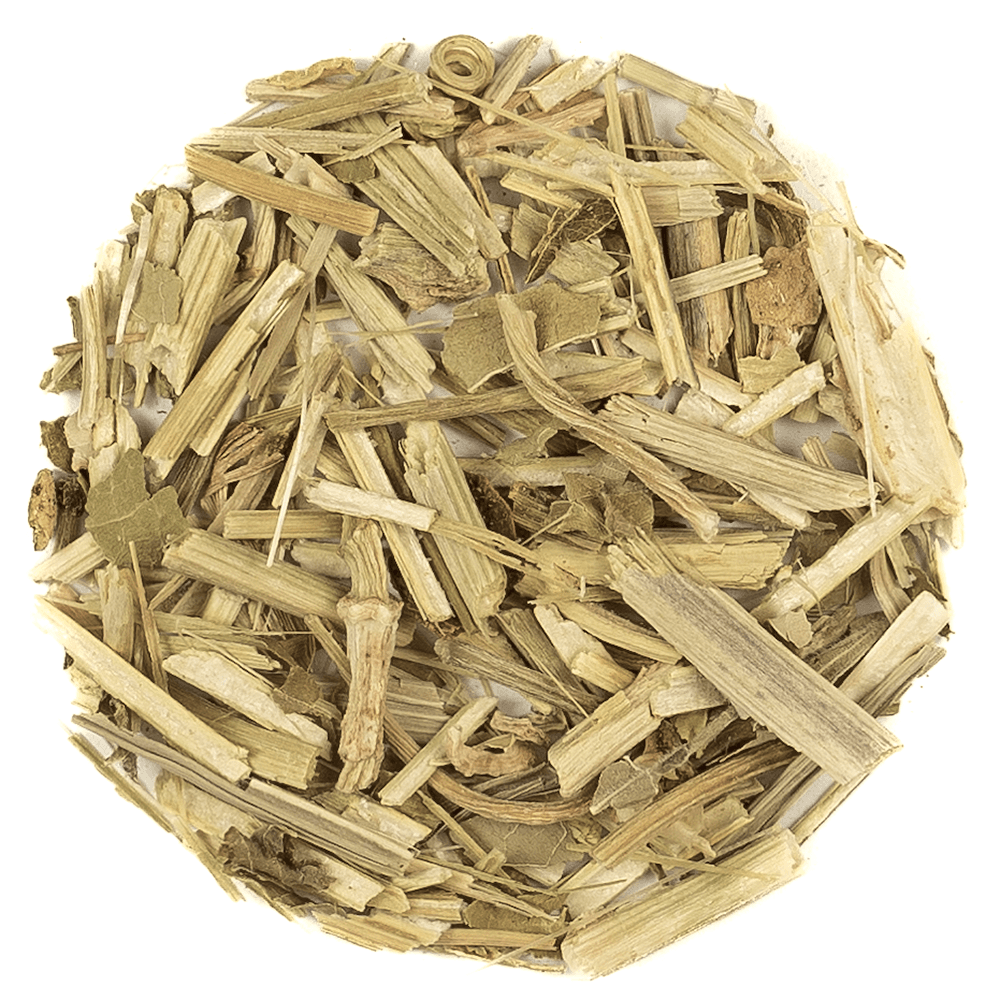
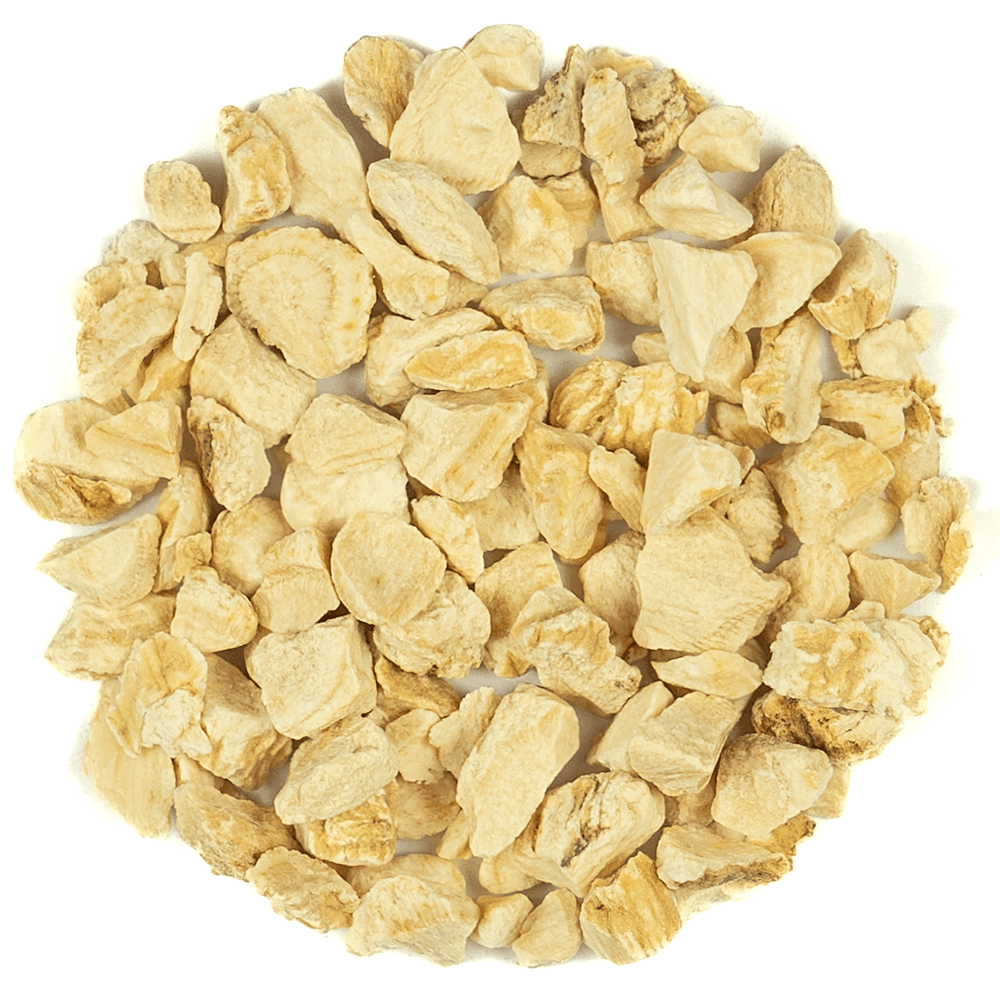
Dandelion Tea is a vibrant herbal drink with a unique taste reminiscent of earthy tones and subtle bitterness. Far more than just a weed found in your garden, the dandelion plant has been cherished for centuries for its remarkable health benefits. Naturally caffeine-free, dandelion leaf tea is perfect for any time of day, offering a gentle, detoxifying boost. Packed with essential minerals, this tea supports digestion and liver health. Enjoy it on its own or enhanced with honey or lemon, a delightful choice for wellness enthusiasts. What is Dandelion Tea? Dandelion leaf loose tea originates from the Taraxacum officinale plant, instantly recognisable by its bright yellow flowers and jagged, toothed leaves. This resilient perennial herb flourishes in temperate climates across Europe and North America, thriving in fertile, well-drained soil and basking in full sunlight. The leaves are carefully harvested in spring, just before the plant blooms, when their flavour and nutritional value are at their peak. Each leaf is handpicked, then meticulously cleaned to ensure purity. To lock in their natural goodness, the leaves are gently air-dried or dehydrated, preserving their vibrant green colour and essential nutrients. Once dried, the leaves are finely cut, ready to be transformed into a soothing infusion. The result is a naturally caffeine-free herbal tea with a distinctive earthy flavour. A refreshing and wholesome drink that captures the essence it’s wild spirit. History of Dandelion Leaf Tea It boasts a rich ancestry deeply rooted in ancient healing traditions. Revered by practitioners of Traditional Chinese Medicine and Native American healers alike, dandelion leaves were prized for their powerful detoxifying properties. Its reputation as a natural remedy quickly spread, and by medieval times, it had become a staple in European herbal medicine, especially valued as a liver tonic. This enduring legacy highlights the remarkable journey from wild plant to cherished wellness tea. During the 17th century, herbalist Nicholas Culpeper acclaimed it for cleansing the body. It’s versatility allowed it to weave into folklore as a symbol of resilience. Traditionally, it was linked to improving digestion and purifying the system. Today, it continues to thrive as a wellness trend. Enthusiasts appreciate it for its nutritional benefits and earthy flavour. It supports modern clean-eating movements by offering detoxification qualities. In the UK, dandelion tea is gaining a dedicated following. As modern diets embrace natural remedies, becoming more influential globally. Its impact on health-conscious lifestyles prompts a rediscovery of traditional herbal wisdom. How to Make Dandelion Tea Step 1 : Measure 1–2 teaspoons of dried dandelion leaves into a tea infuser. Step 2 : Place the infuser in a cup and pour over freshly boiled water to ensure a flavourful brew. Step 3 : Allow the tea to steep for 5–10 minutes, adjusting the time for desired strength and taste. Step 4 : Carefully strain the tea and enjoy. Enhance it with honey, lemon, or ginger for added flavour. Recommendations : For best results, drink dandelion tea in the morning or midday. It complements detox routines and clean-eating plans. Storage Advice : Store in a cool, dry place, ideally in an airtight container, to preserve freshness and potency. What Does Dandelion Tea Taste Like It greets the senses with its distinctive earthy notes and subtle bitterness. Each sip unveils hints of vegetal sweetness, reminiscent of the fresh greenness of spring. With a savoury undertone, it evokes the experience of enjoying a soothing herbal elixir. The finish is clean and refreshing, its mild aroma lending a calming effect. For those exploring this herbal infusion, expect a harmonious blend of tastes offering a refreshing break from traditional caffeinated beverages. Does Dandelion Tea Have Caffeine? It is naturally caffeine-free, making it ideal for those seeking a relaxing herbal alternative. Enjoy it any time without the stimulating effects of traditional teas. Perfect for unwinding at any moment, dandelion tea ensures a soothing experience, free from caffeine concerns. Indulging in this herbal infusion offers a peaceful escape, complementing any wellness routine with its gentle touch. What is Dandelion Tea Good For? Celebrated for its diverse health benefits and has been studied for its positive impact on wellness. This herbal infusion is good for you due to its rich nutritional profile and detoxifying properties. Supports liver health by aiding in detoxification and improving liver function. Aids digestion, potentially alleviating symptoms of bloating and constipation. Rich in antioxidants, it helps combat oxidative stress and reduce inflammation. May help maintain healthy blood pressure levels through its potassium content. Enhances overall skin health, contributing to a clearer complexion. Best Time to Drink Dandelion Tea The best time to drink dandelion tea is in the morning or early afternoon. Enjoying a cup at the start of your day can help gently stimulate digestion and support your body’s natural detoxification processes, thanks to the tea’s rich mineral content and liver-supporting properties. Drinking dandelion loose tea after meals may also aid in digestion and help reduce bloating. Because it is naturally caffeine-free, dandelion tea can be enjoyed later in the day without affecting your sleep, making it a versatile choice for any time you want a soothing, healthful beverage. Embrace dandelion tea benefits today. Offering a naturally caffeine-free and flavourful experience, it’s a versatile addition to any wellness journey. Discover its rich heritage and unique taste; purchase and indulge in this timeless herbal infusion for a soothing daily ritual.