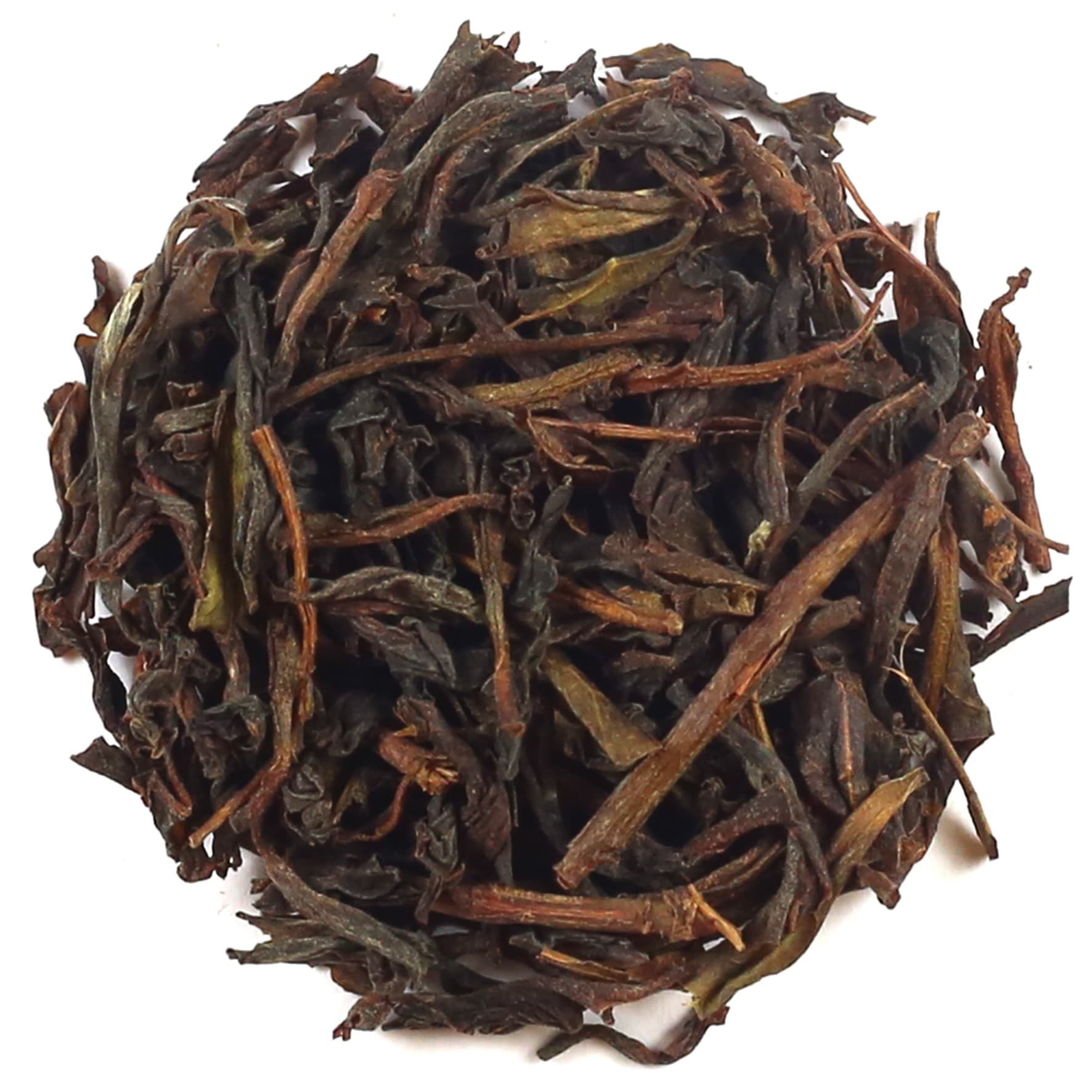
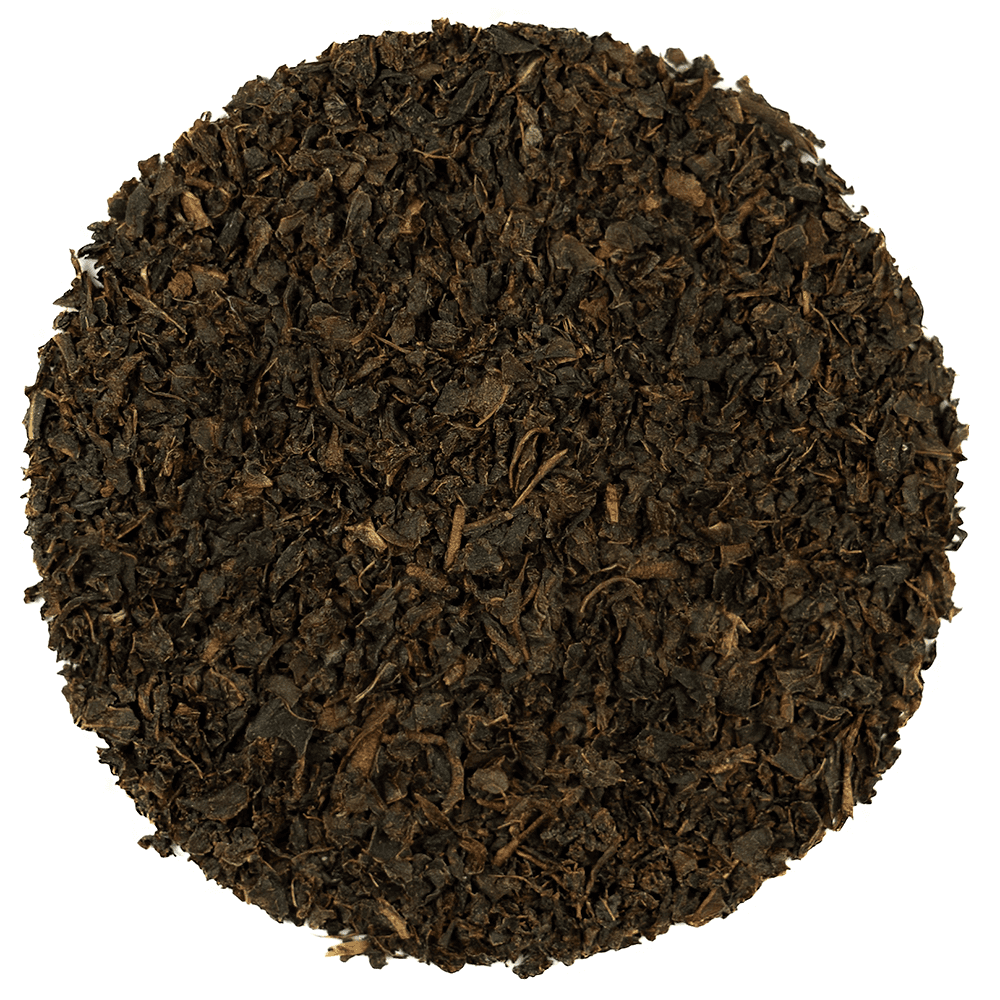
Nuwara Eliya sits higher than any other tea district in Sri Lanka, and the elevation shows up directly in the cup. The terrain here is steep, jungle-covered ground west of Uva Province and north of Dambulla, with most estates around 1,900 metres. Cool air moves through those slopes carrying the scent of eucalyptus and wild mint, and both show up in the liquor alongside floral notes, lemon, orange peel and honey, with a woody backbone underneath. The colour in the cup is a light, coppery orange, true to the delicate, brisk character this district is known for among tea drinkers.
Ceylon tea as a whole is a relatively young industry by tea-growing standards, dating only to the 19th century, but it now accounts for a striking share of Sri Lanka's economy: about 4% of the country's land is under tea, and roughly 5% of the population works in it. This orange pekoe grade is a black tea, processed from the same bushes that make Nuwara Eliya's reputation as one of the island's most distinctive growing regions.
To brew it, use freshly boiled water and steep for three to five minutes. It works both ways at the table — some drink it black to let the floral, honeyed side come through, others add milk, sugar, or a splice of lemon. Black tea's polyphenols have traditionally been credited with a range of wellbeing effects, including support for digestion and the immune system, though those are worth taking as folk wisdom rather than settled fact.