Echinacea is better known in the garden than the teapot: a perennial member of the daisy family, native to the prairies and open woods of eastern and central North America, where it grows up to 140cm tall. Its large purple flowers surround a spiky central cone, and that cone is the source of the name — "echinacea" comes from the Greek "echinos", meaning hedgehog, a nod to those sharp spines. It also goes by coneflower, purple coneflower, Sampson root, snakeroot, scurvy root, and Indian head. Native American communities were drinking and using the plant long before it became a health-shop staple worldwide.
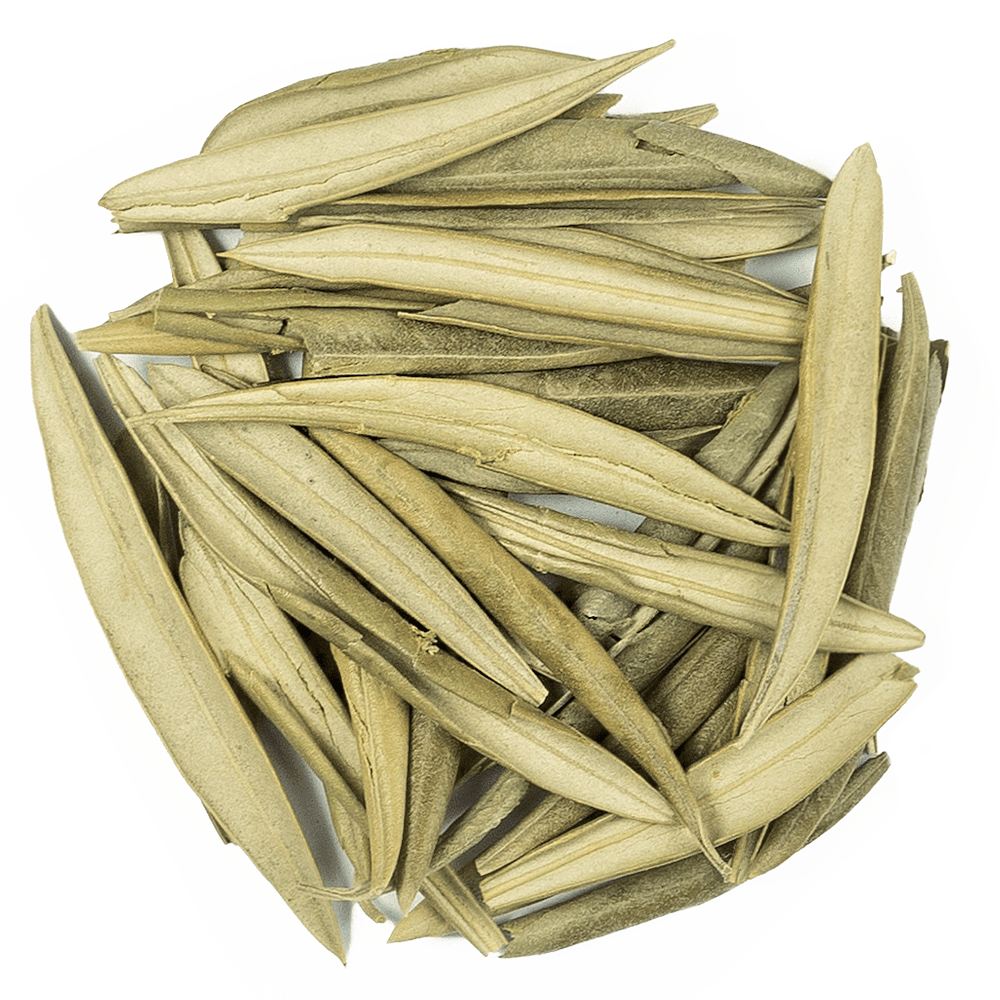
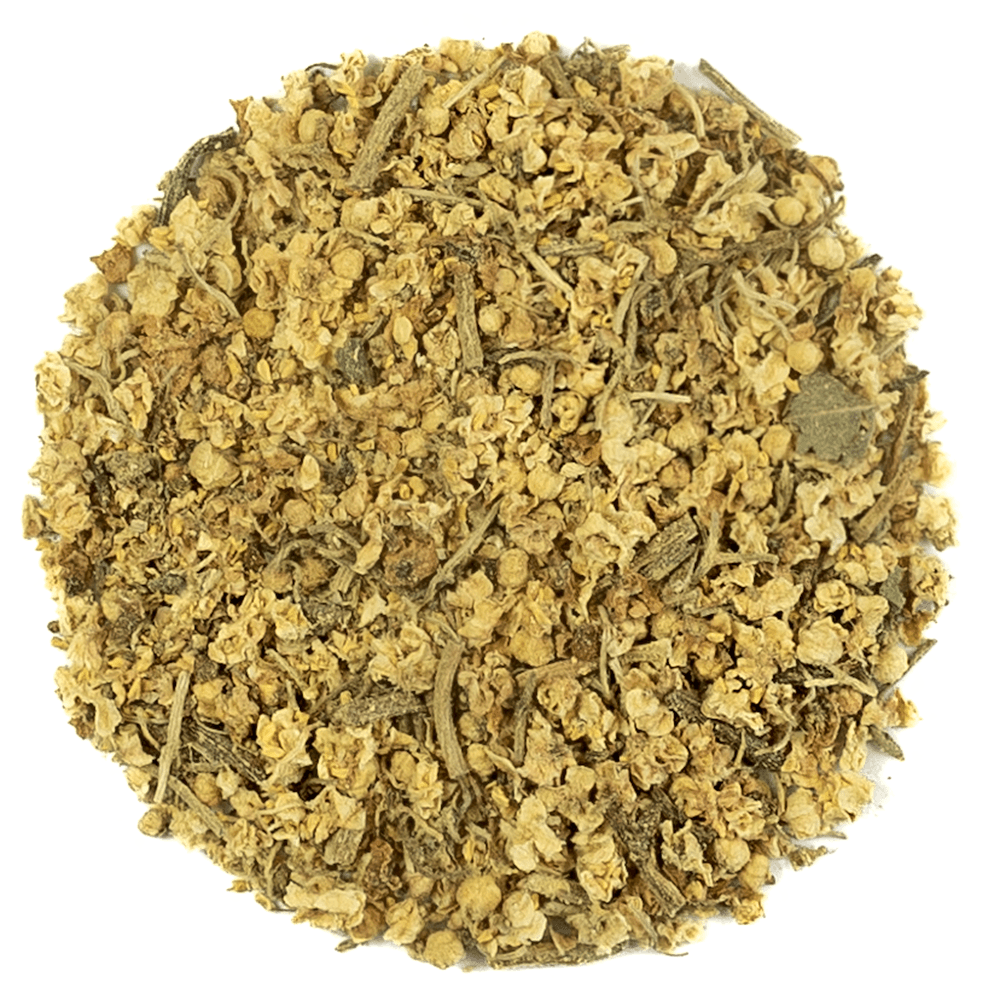
What ends up in the cup is the leaf, and it makes a naturally caffeine-free infusion, useful if you're cutting back on stimulants but not ready to give up a hot drink in hand. Brewed, it's smooth rather than sharp: herbaceous, vegetal notes sit alongside floral sweetness, a honeyed edge, and a bright lemon note, with a touch of roasted, almost coffee-like depth and a faint mintiness on the finish. Some drinkers notice a mild tingling on the tongue, which is characteristic of the plant rather than a flaw in the brew.
Steep loose echinacea in a filter or infuser with freshly boiled water, a full 100°C, for around seven to eight minutes, longer if you want a stronger cup. Honey or a squeeze of lemon suit it well and echo its natural sweetness, though it holds up fine on its own too. Echinacea has long been used in traditional herbal practice, credited with supporting immunity and skin health and easing everything from cold sores to restless nights and anxiety. Those are claims worth treating as folk wisdom rather than medical fact, but they explain why the plant has stayed popular for generations.