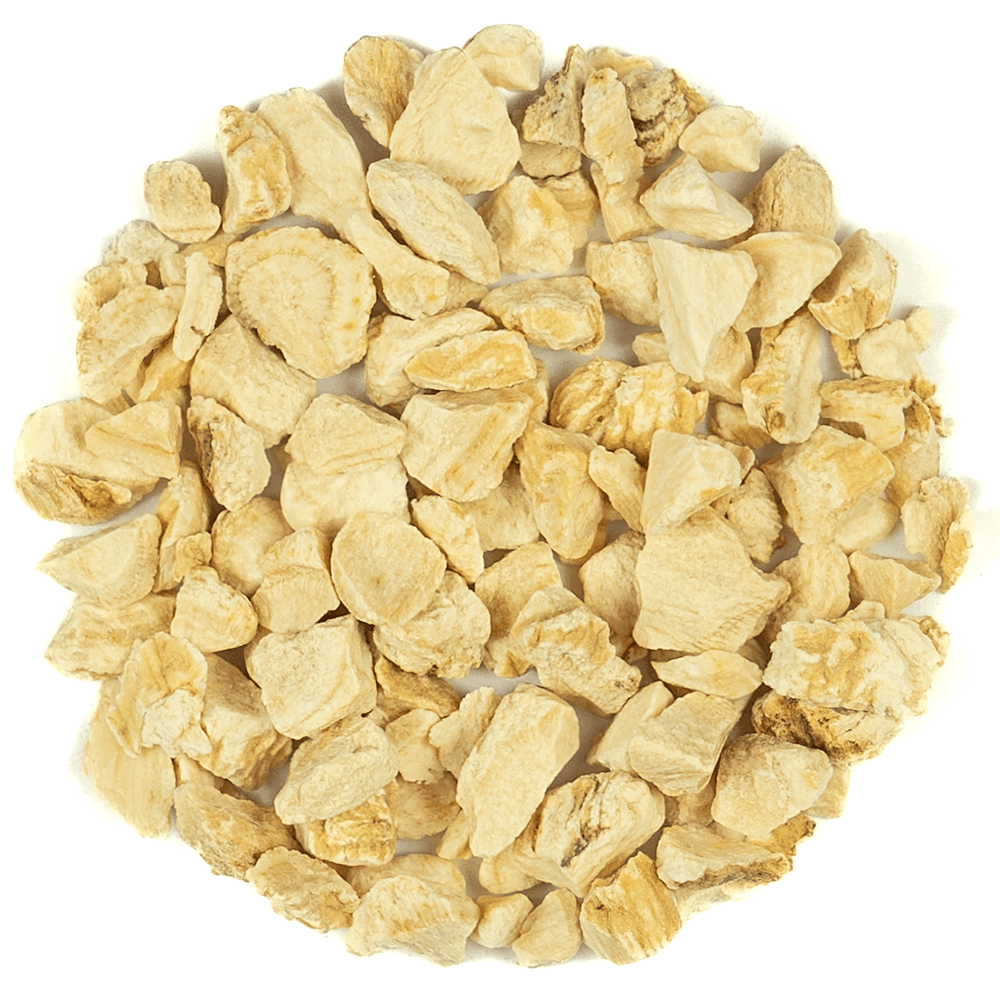
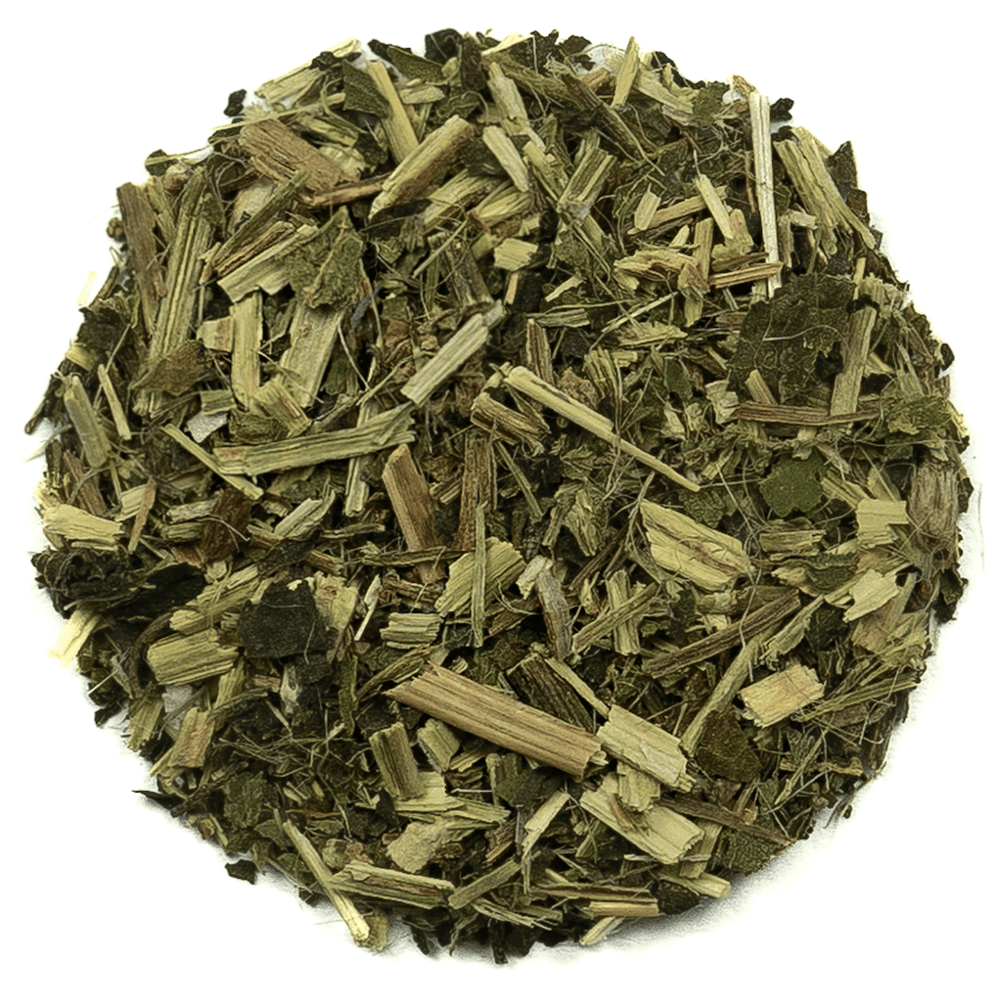
Root, not leaf, is the first thing worth knowing about ginseng tea. Panax ginseng belongs to the Araliaceae family, a slow-growing perennial known in parts of Asia as ginnsuu, and what ends up in the cup is the dried root itself rather than any harvested leaf. It has been valued for centuries across a range of cultures, less as an everyday drink at first than as a herbal remedy passed down through generations.
The plant's history stretches back further than most teas can claim. Ginseng is said to have first been found in the misty mountains of Manchuria, and it moved through Chinese court life as a genuinely valuable commodity: emperors prized it, and merchants traded silk and medicine to obtain it. As demand grew beyond what any one region could supply, wild American ginseng and Korean imports both entered the trade, making the root one of the earlier examples of a truly international herbal market, well before "global trade" was a phrase anyone used.
In the cup, expect honey and earthy notes with a thick body, the taste leaning sweet before turning slightly bitter. It carries no caffeine, so there's no hour of the day it's off-limits and no risk of it disturbing sleep. Making it is simpler than brewing a standard cup of tea: steep about a teaspoon of dried ginseng root in freshly boiled water for five to ten minutes, then strain. A little honey softens the bitterness for those who want it.
Ginseng has long held a place in Chinese herbal medicine, and the tea carries that reputation forward. It has traditionally been reached for to support energy levels, mental clarity, digestion, and the immune system, and to help balance blood sugar and support sleep quality. None of that amounts to a clinical claim, just the reason generations have kept drinking it, and why it remains one of the better-known herbal infusions today.