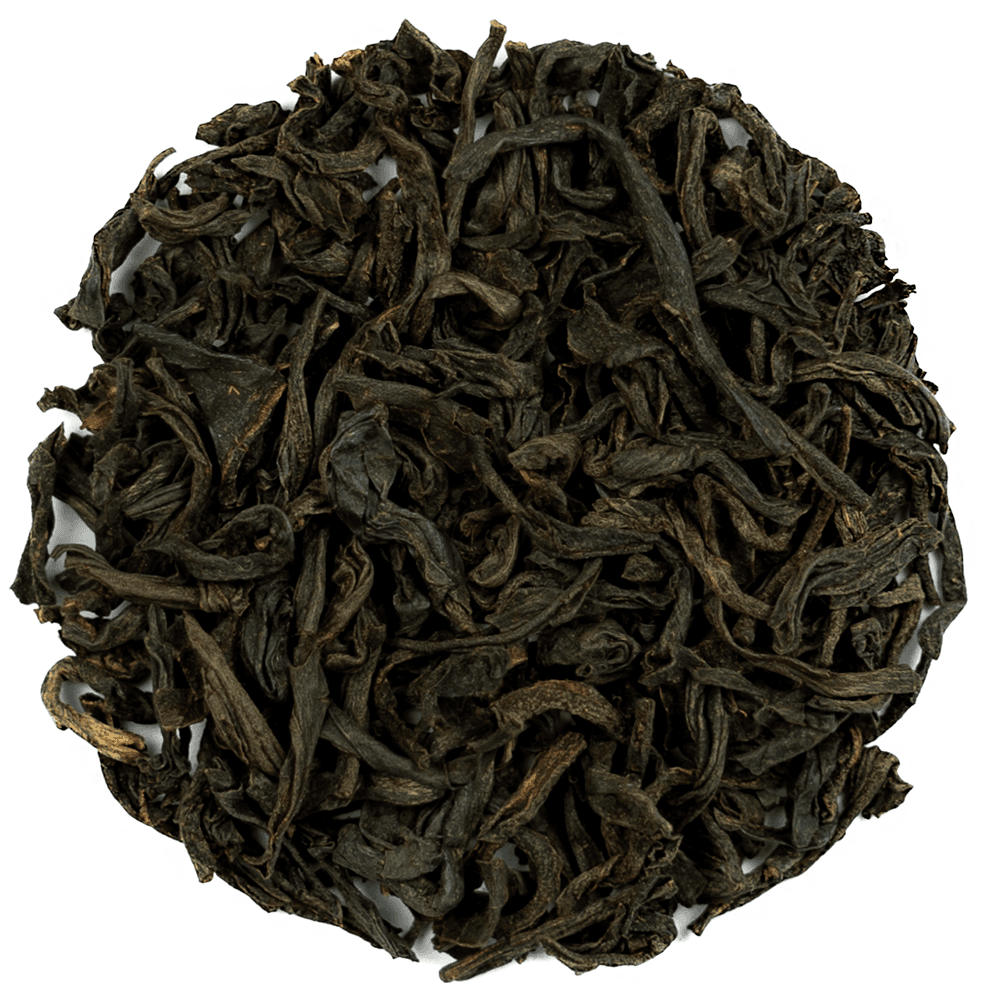
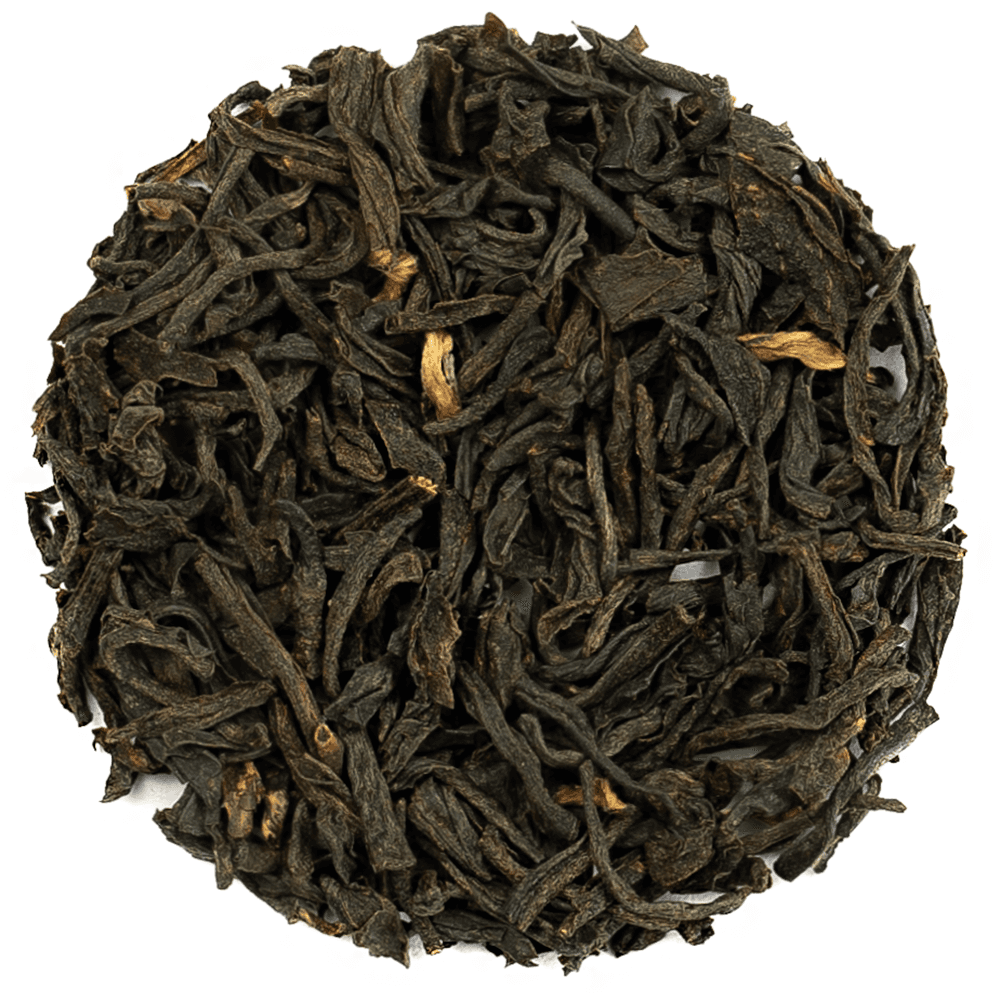
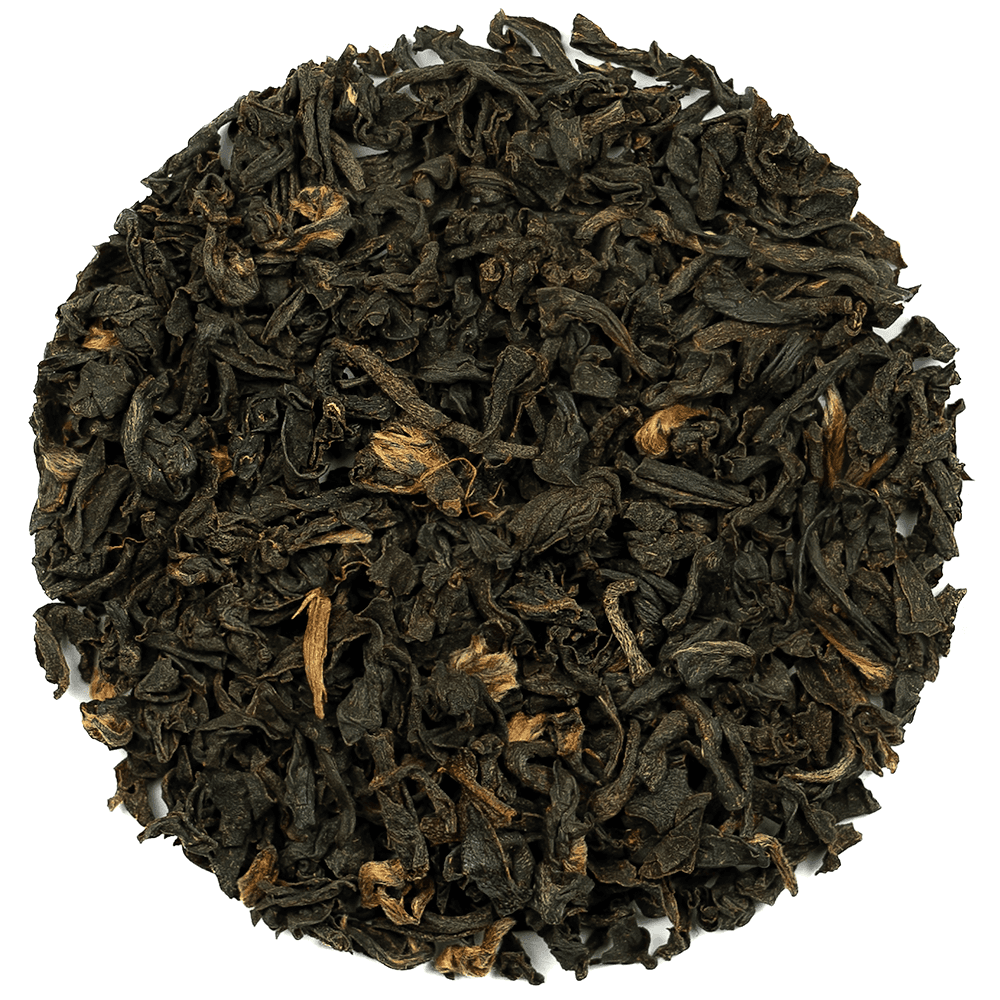
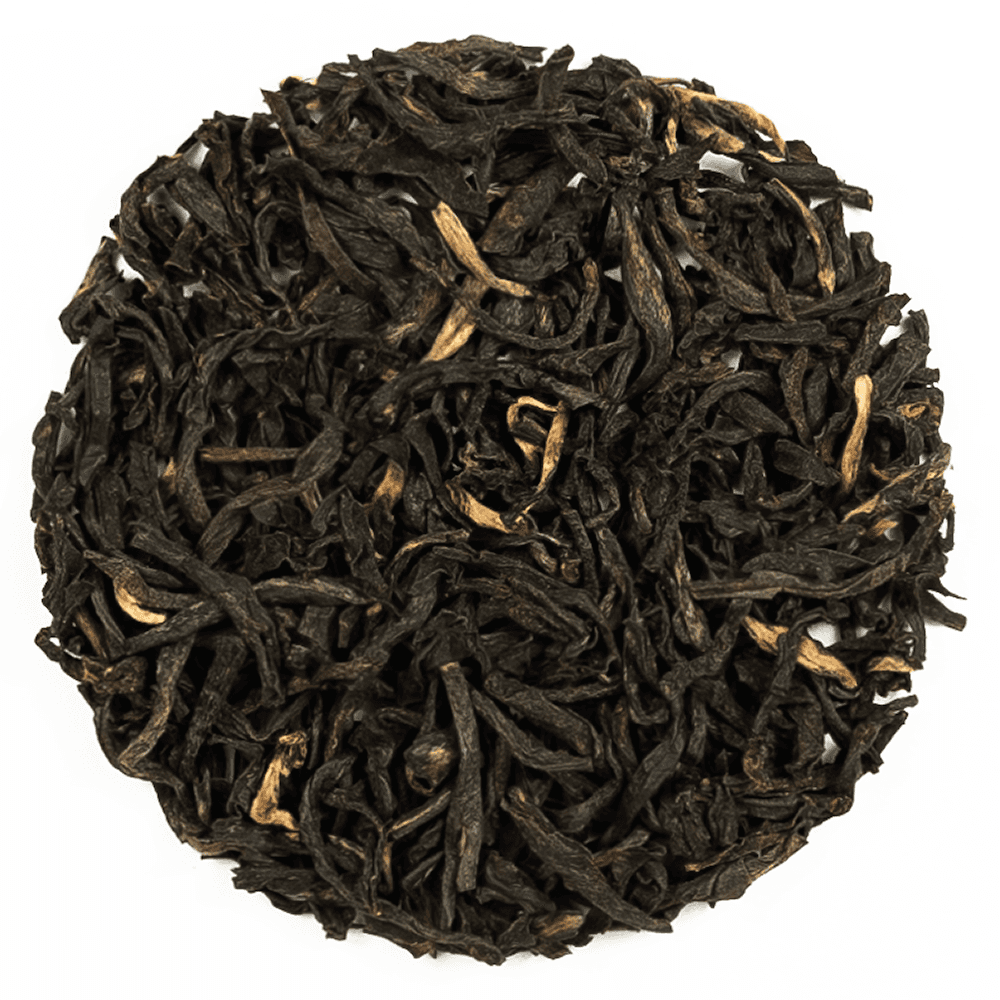
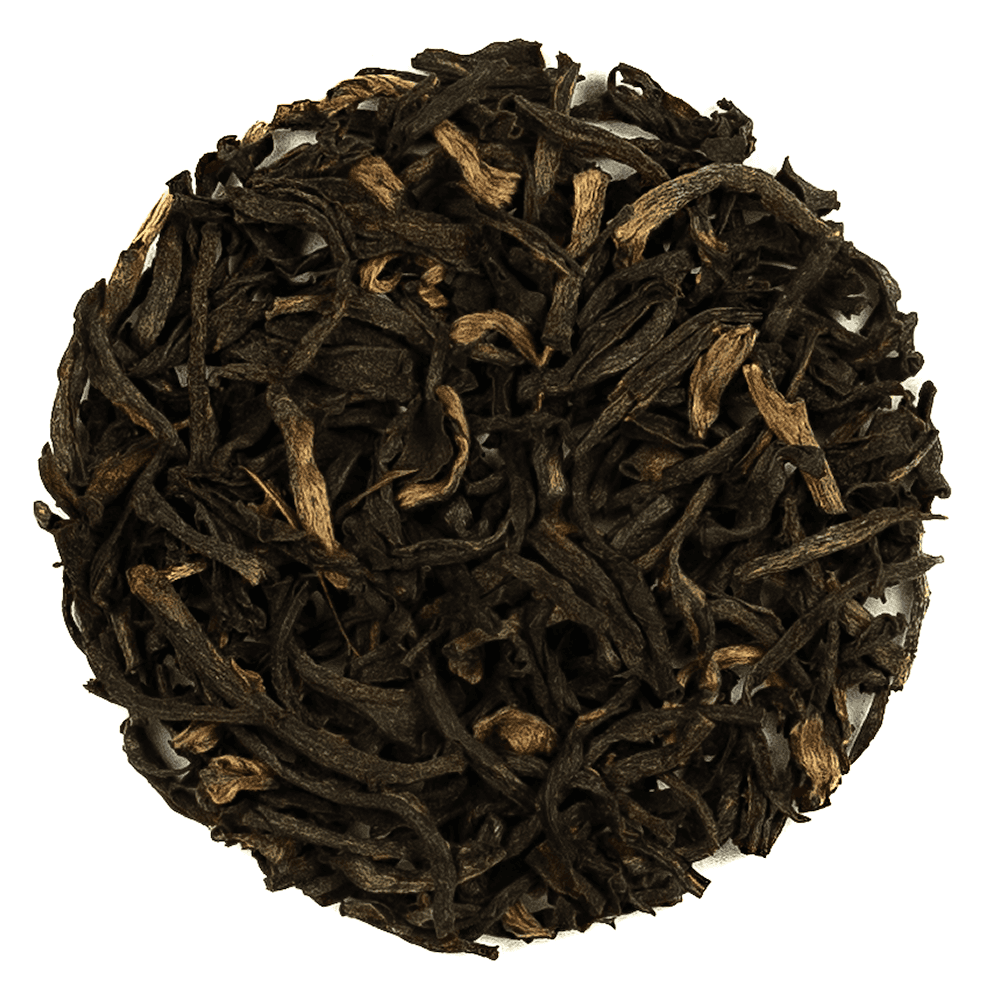
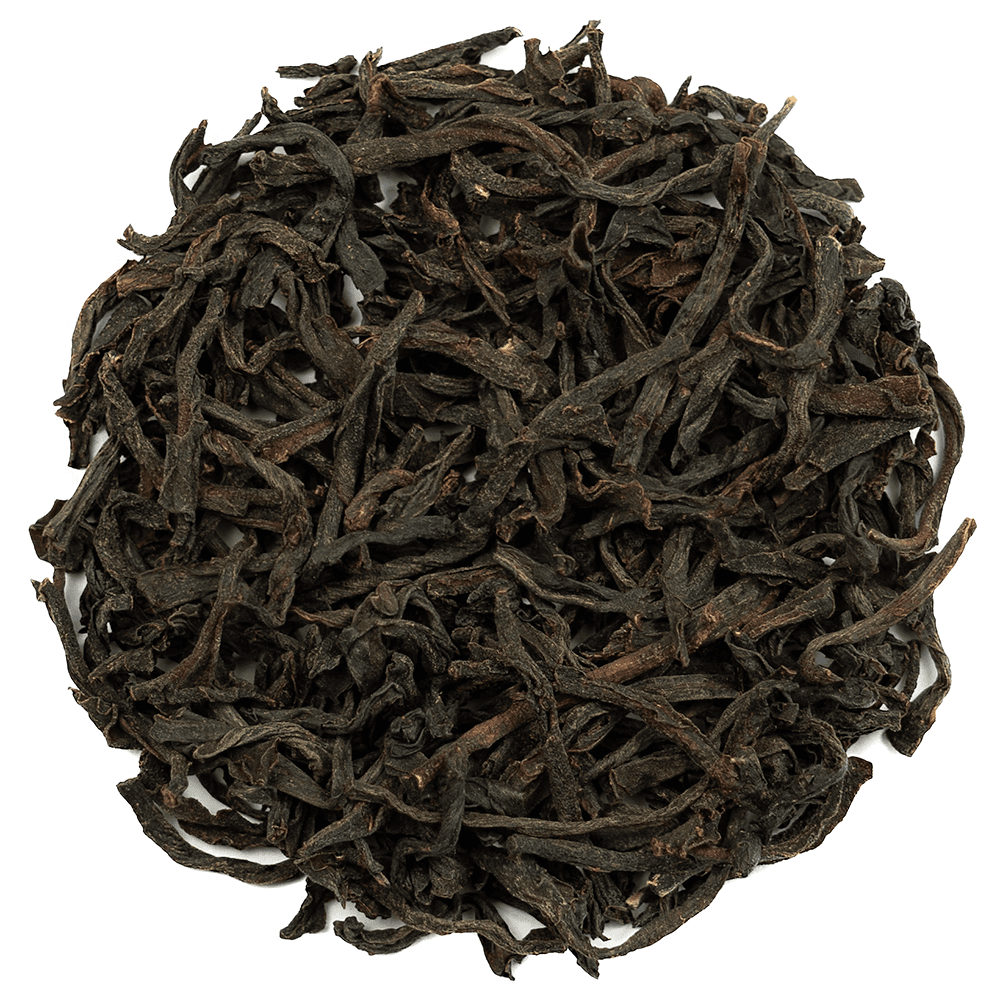
Grown in the Huangshan area of China's Anhui Province, this is a loose-leaf Orange Pekoe black tea with a story behind it. Local accounts trace it to Qimen County in the 19th century, to a man named Yu Ganchen. He had been a civil servant, lost the position, and rather than stay put, travelled to Fujian Province to learn how black tea was made there. He carried what he learned back to Qimen County and set up three factories, and the style he worked out in that process grew, over the decades, into the Keemun black teas known and drunk well beyond China today.
Anhui's terrain plays a part too: local growers point to myrcenal, an essential oil present in the region's leaf, as the reason for the tea's pronounced natural sweetness. In the cup that shows up as lemon and orange brightness sitting over honey, with a malty, coffee-like backbone running underneath and a smoothness that holds through the last sip. Look for a light, orangey liquor rather than a dark one, and a sweet finish rather than a sharp, tannic one.
Steep it in freshly boiled water for three to five minutes. It takes milk as easily as it takes a spoon of honey, a twist of lemon, or a bit of sugar, so there's room to adjust depending on the mood and the time of day. Like other black teas, it carries theaflavin and thearubigin, antioxidant compounds that drinkers have long associated with everyday wellbeing — a lift for digestion, focus, or general vitality among them — though the evidence behind those associations is thinner than what exists for green tea, and none of it should be read as more than tradition passed down alongside the leaf itself.