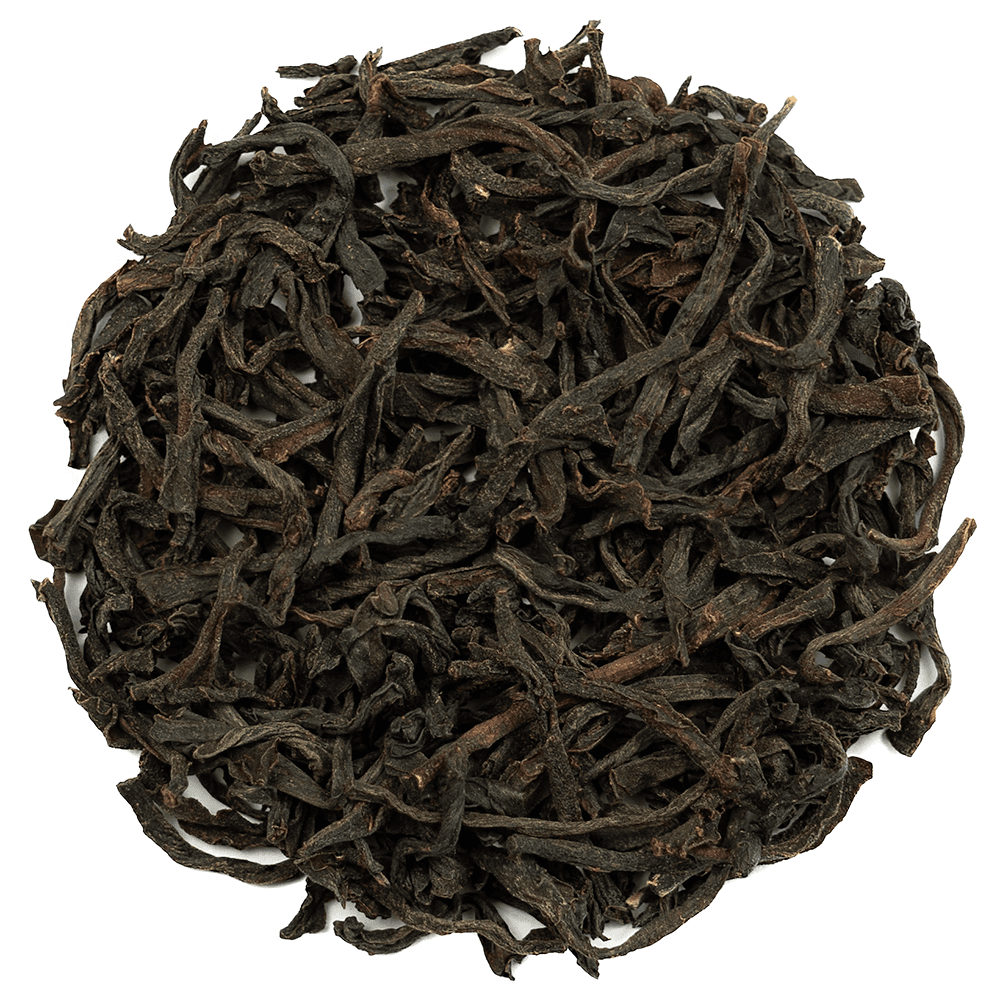
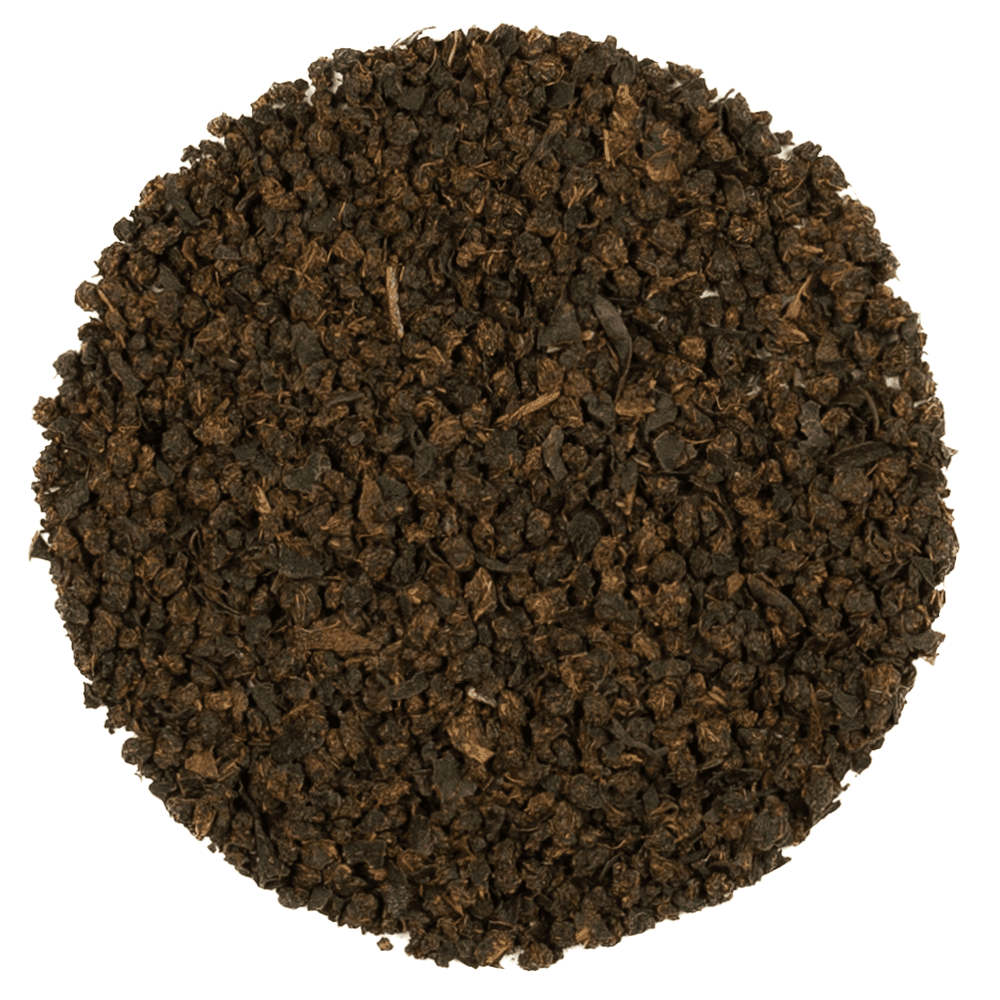
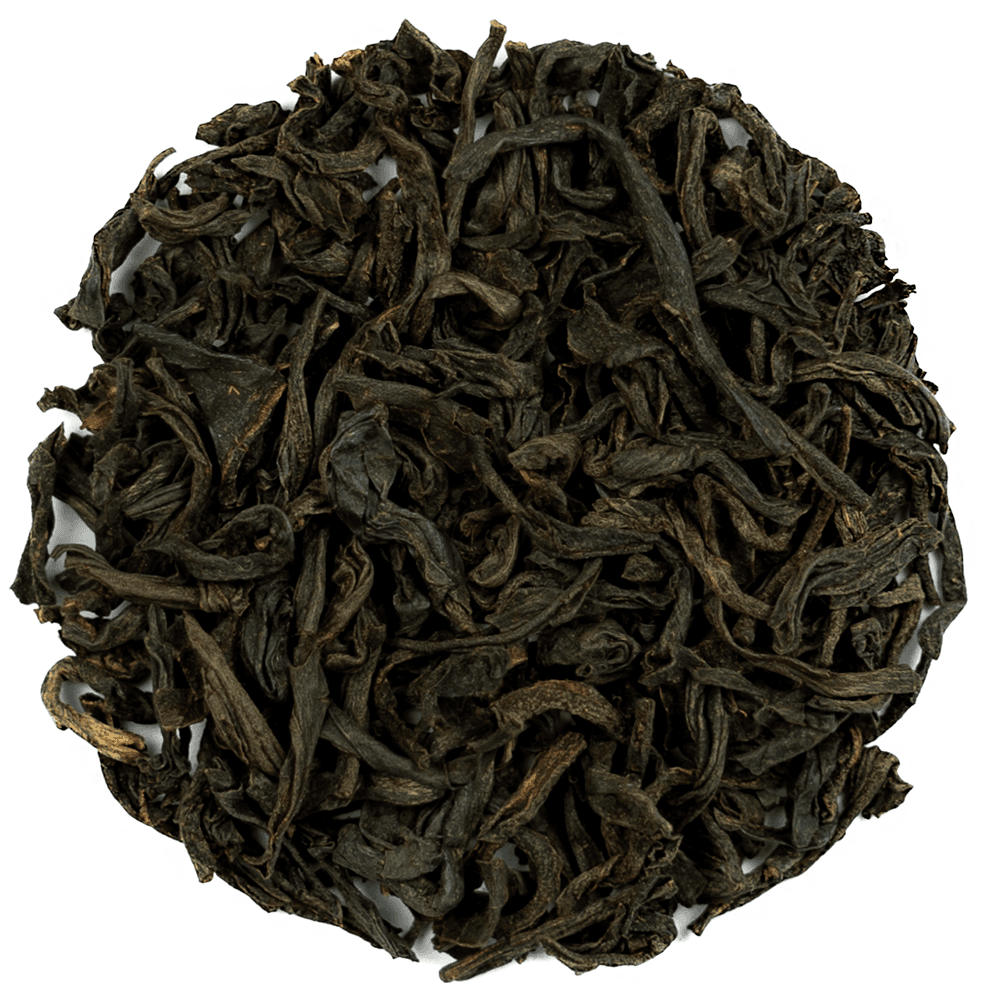
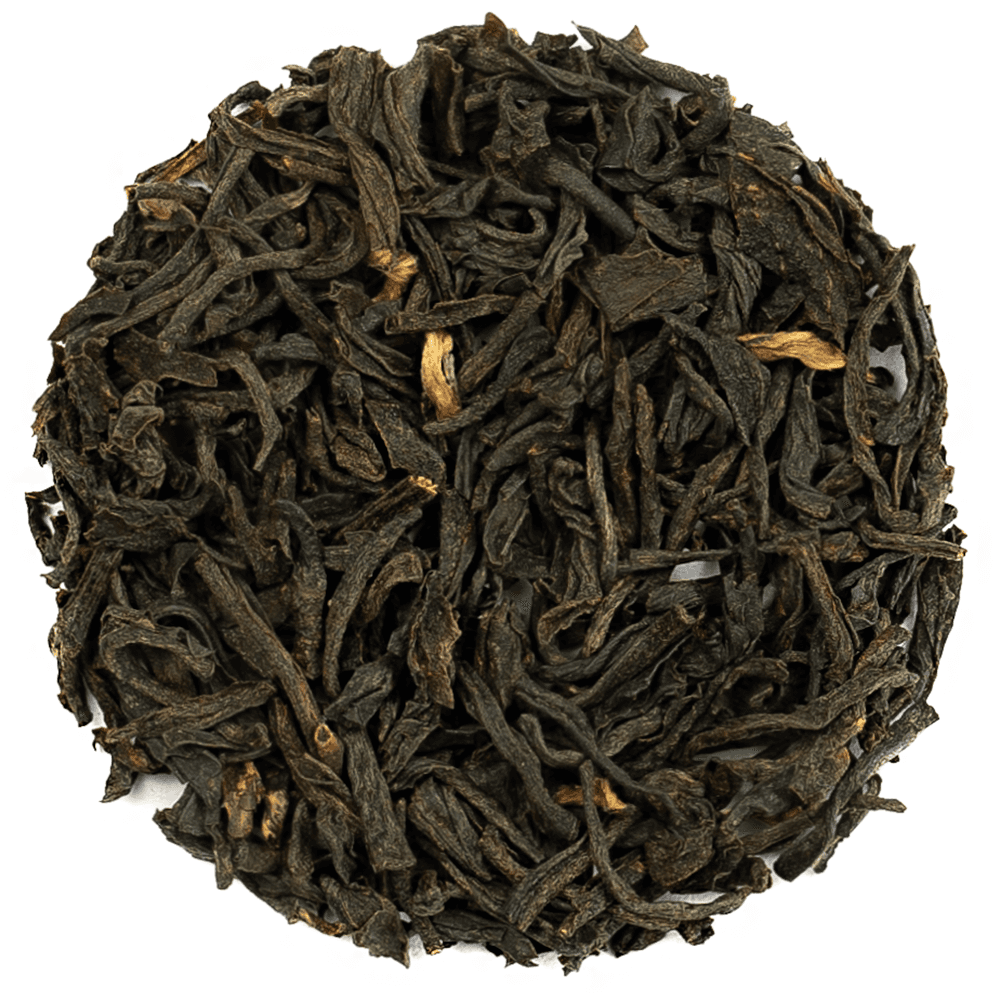
Kenya earned its place among black tea producers fast. The country's tea story starts in 1903, when British settler G.W.L. Caine brought in the first plants, purely as ornamentals. It was a Scotsman, Arnold Butler McDonell, who turned tea into a crop: he bought 350 acres near Nairobi in 1910 and set up Kiambethu farm, intending to grow coffee. At 7,200 feet the coffee failed, and a decade of other crops wilted in the sun before a friend visiting from India brought over a few Camellia sinensis var assamica seedlings. McDonell planted 20 acres of tea in 1918, and the bushes took. Kiambethu is still run by his family today, one of many Kenyan farms behind the country's reputation for good tea — the UK alone imports more than half of what Kenya produces.
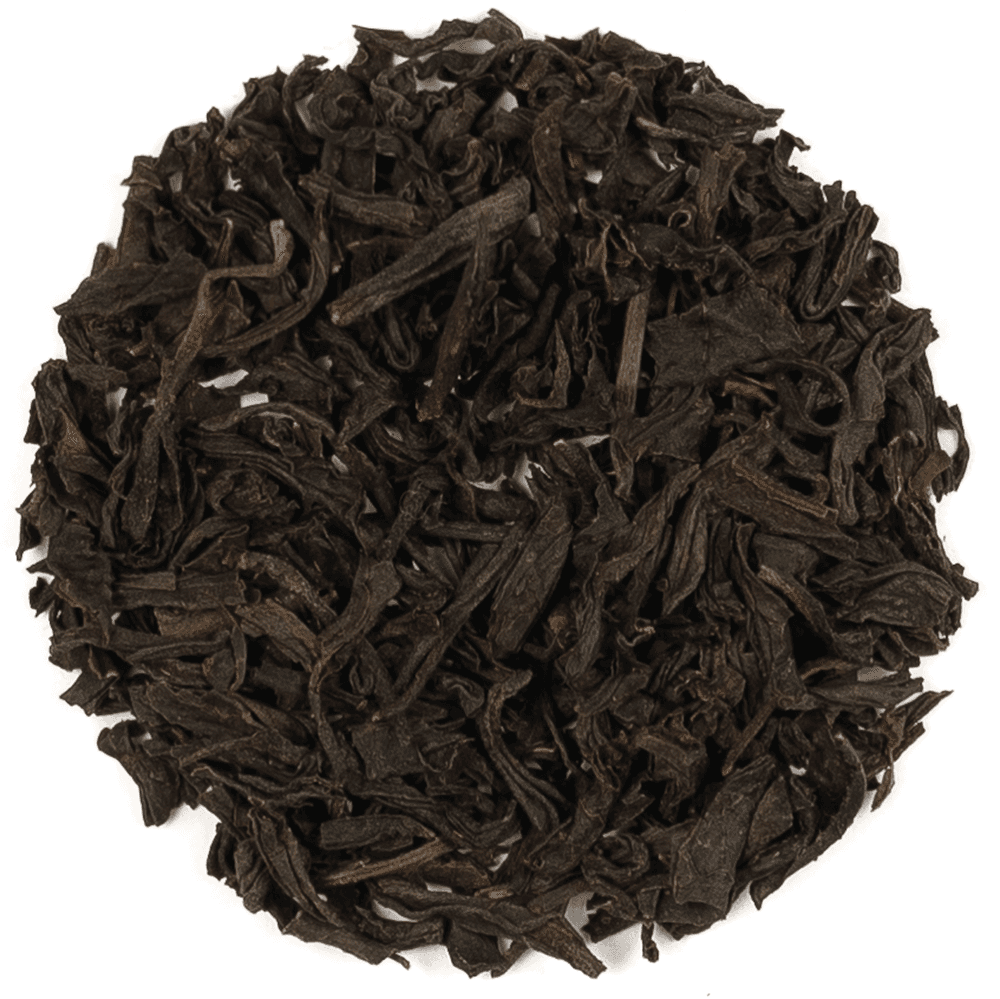
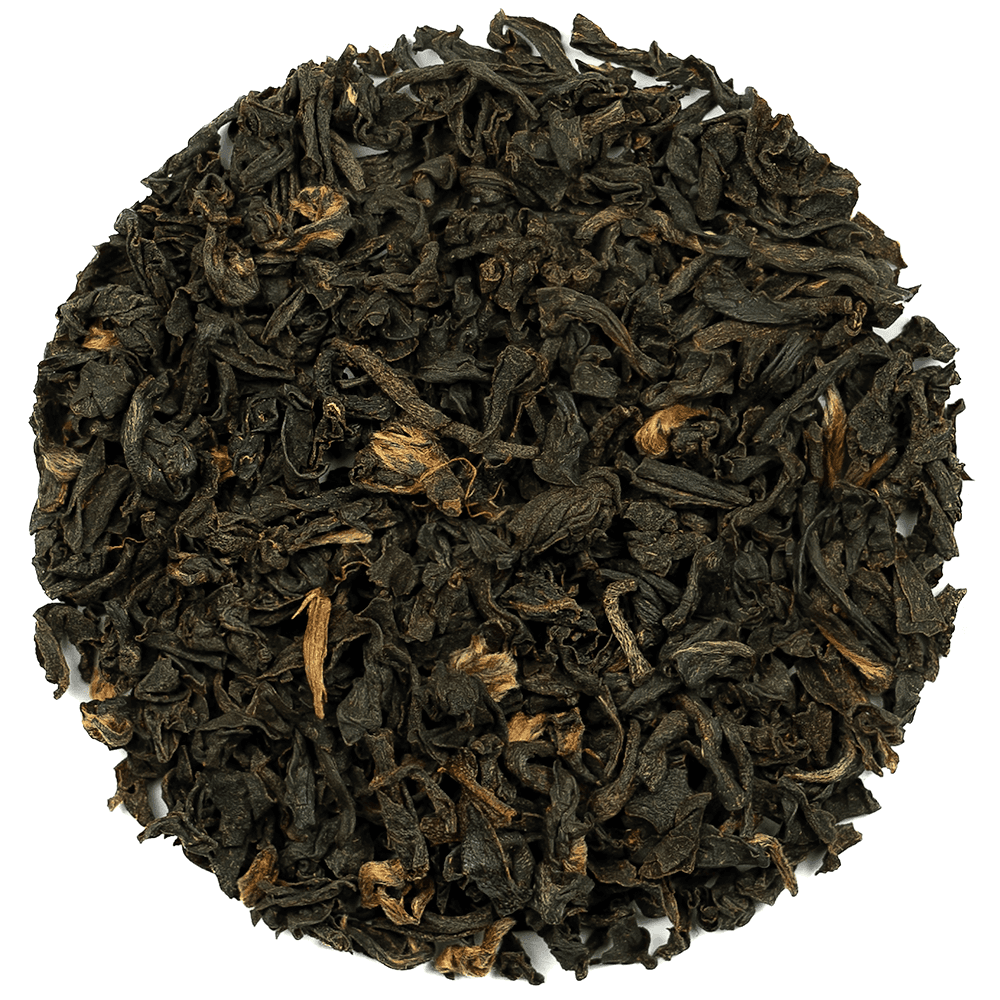
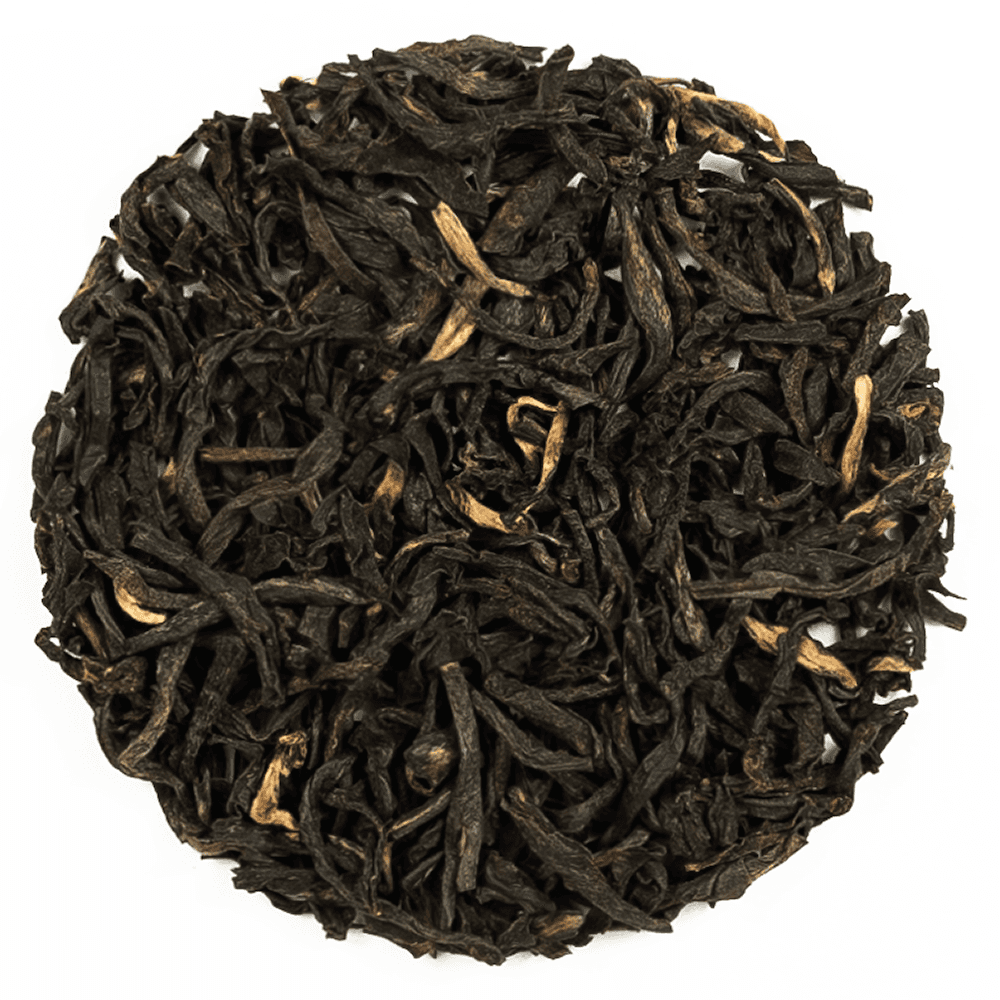
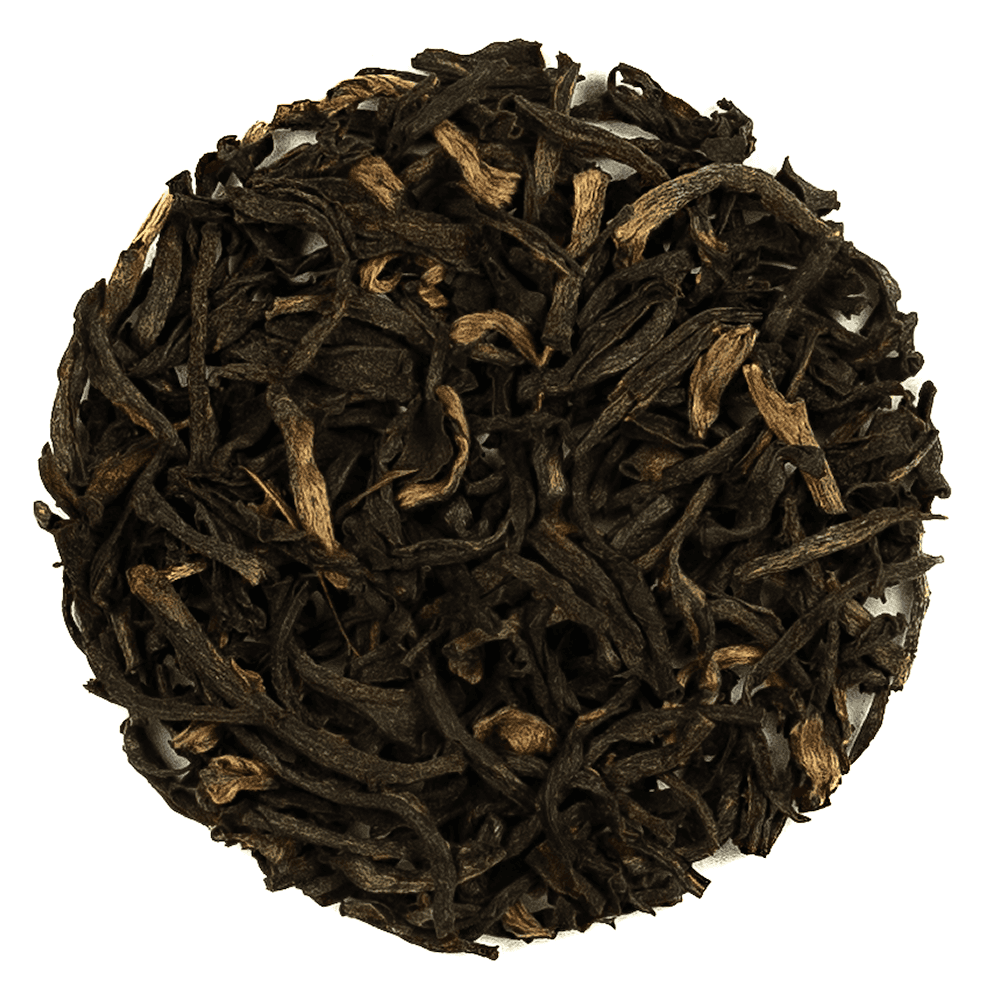
This leaf tea shows the classic Kenyan profile: a smooth, well-rounded black tea with sweet maltiness running through it, a light nutty edge, and a lingering, refreshing finish. There's citrus in there too, lemon and orange alongside honey, with a coffee-like depth underneath. In the cup it pours a light, orangey liquor.
Steep it in freshly boiled water for three to five minutes. It takes milk, sugar, honey or lemon well, or drink it black — the maltiness holds up either way.