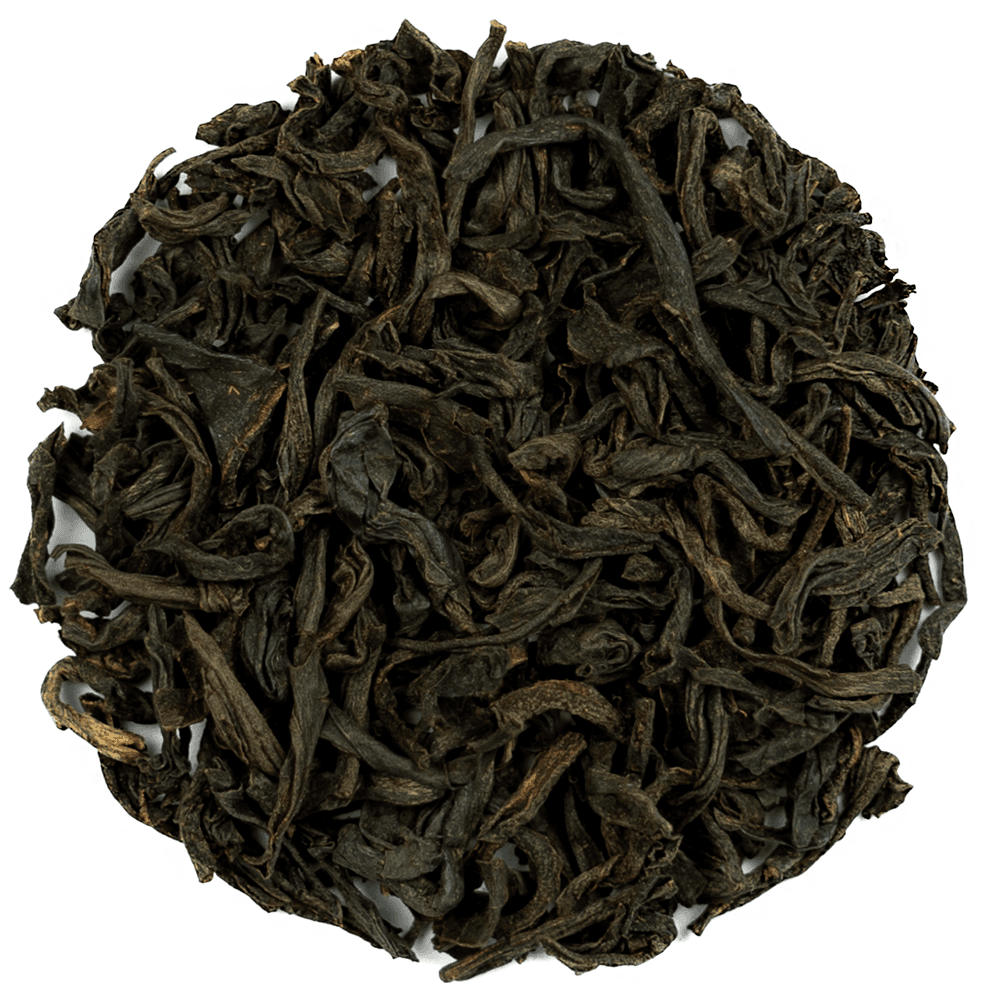
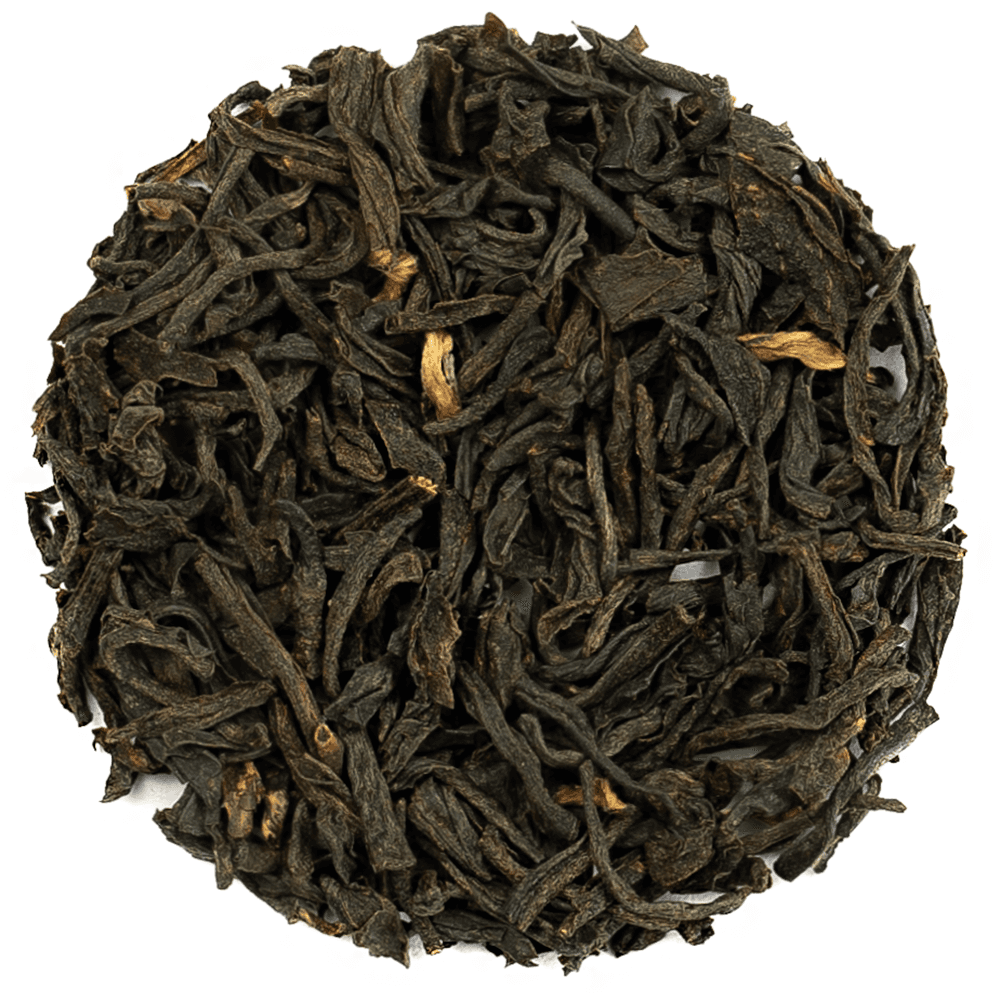
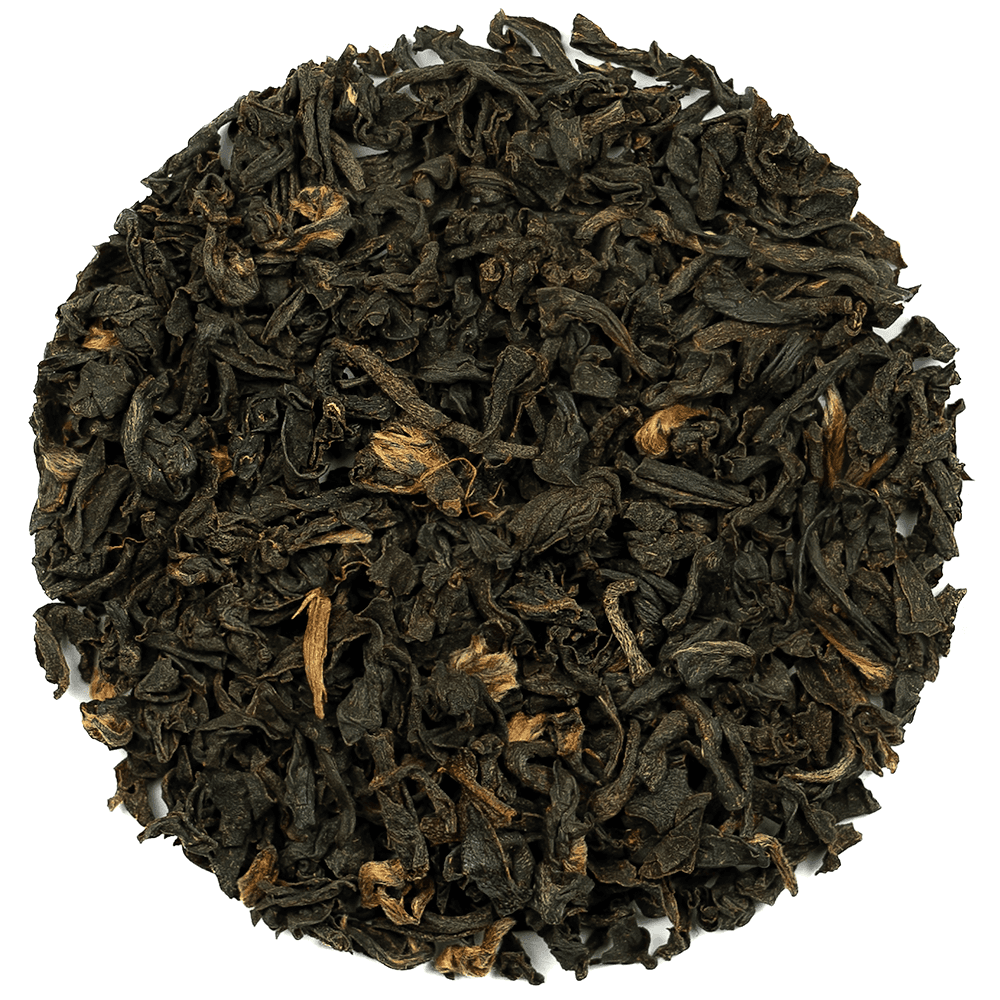
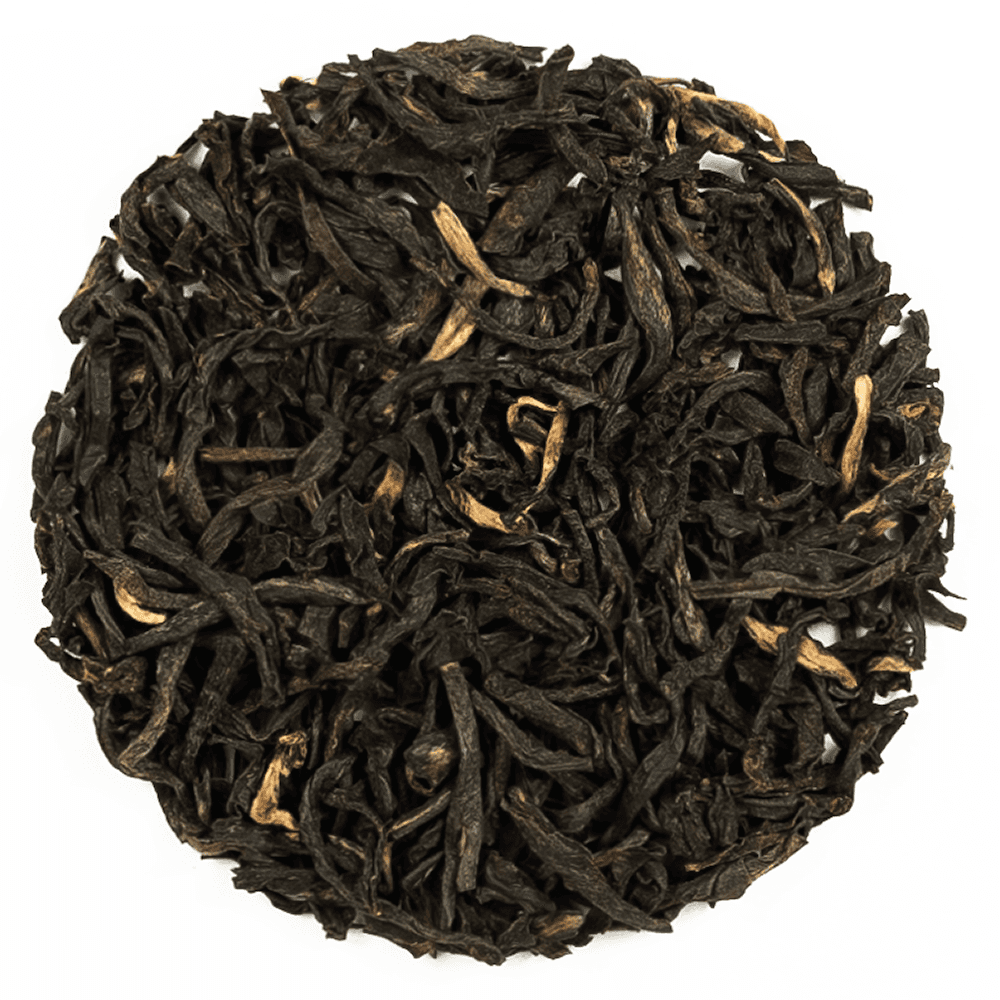
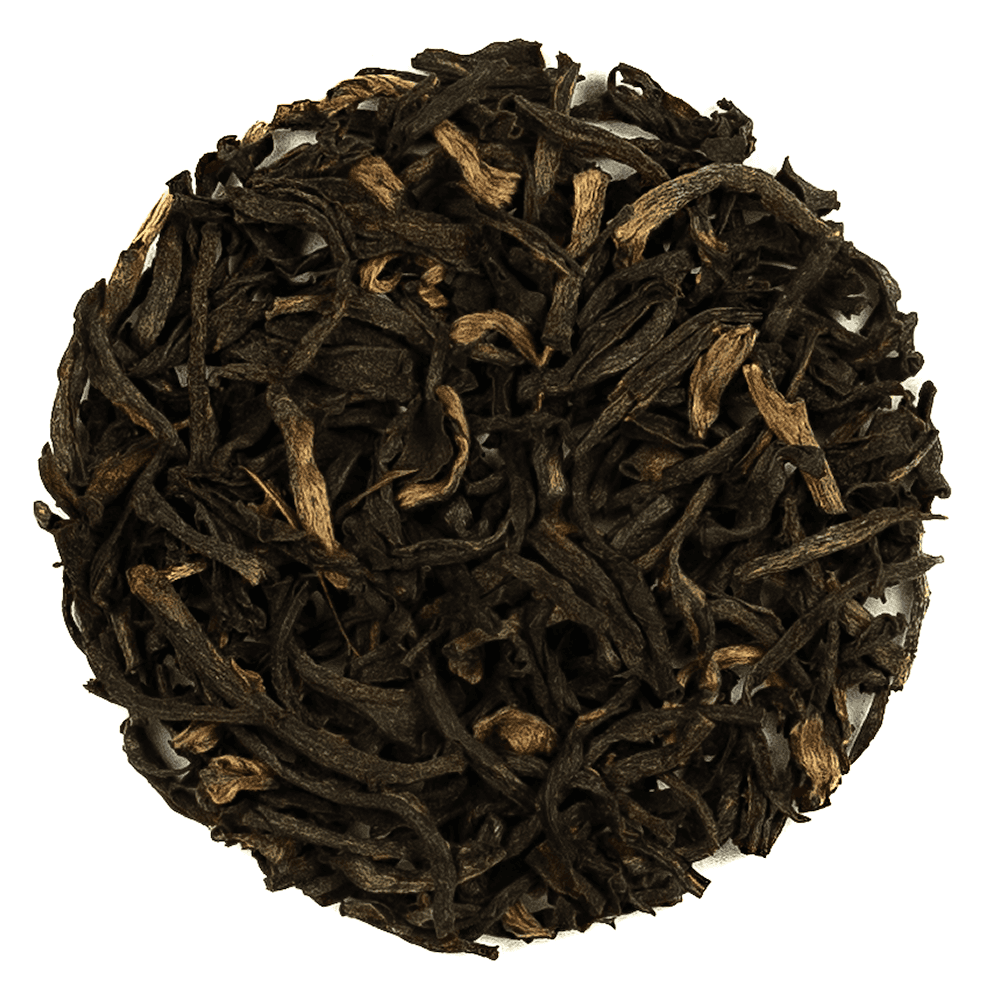
Kericho, in the highlands west of Kenya's Rift Valley, is home to the only factory in East Africa that still processes tea by the orthodox method, and Milima is one of its results. The leaves grow above 6,000 feet — Milima means "high place" in Swahili — and come from the same Assamica plant used across most Kenyan tea, which explains why the cup shares some character with Assam. The liquor pours a light, coppery orange, floral on the nose, with a malty backbone and threads of lemon, orange, honey, malt and even something vegetal and coffee-like running through it.
Kenya's tea industry only took shape in the last century or so. A Briton, G.W.L. Caine, planted the country's first tea in 1903, purely as an ornamental plant. It took a Scotsman, Arnold Butler, to see its commercial potential in 1918. Butler had bought Kiambethu Farm, twenty miles from Nairobi at 7,200 feet, intending to grow coffee — the coffee failed, along with everything else he tried, until tea took. He built the planting up to twenty acres of Assamica, and the farm still belongs to the McDonnell family today.
To brew it, use freshly boiled water and steep for three to five minutes. It holds up black, but takes milk, sugar, honey or lemon without falling apart, so serve it whichever way suits the moment. Tea has long been credited with supporting heart health, aiding weight management, boosting immunity and helping guard against diabetes — claims tied to its antioxidant content, though worth taking as traditional lore rather than settled fact.