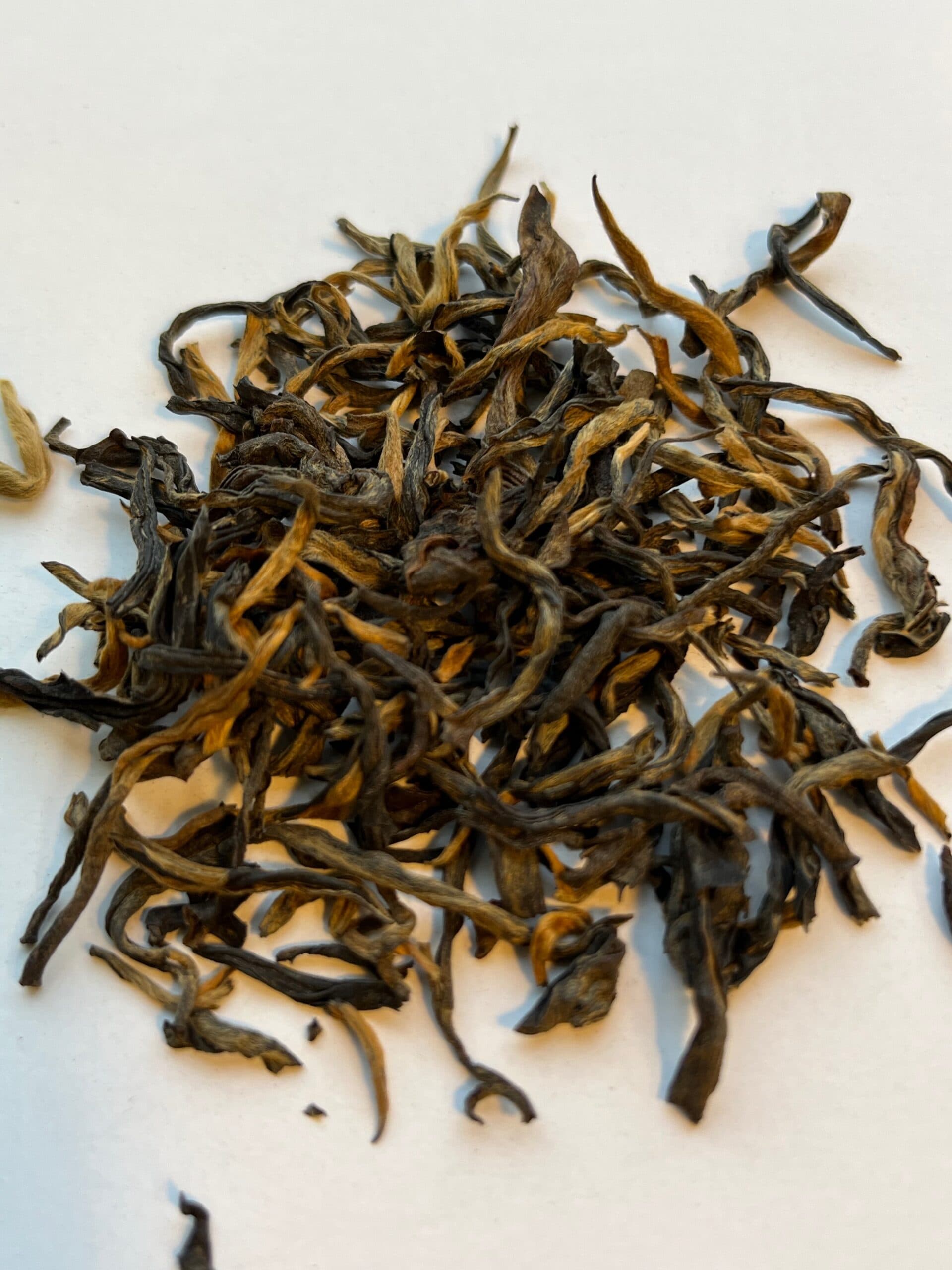
Lychee's history reads like a fable before it ever becomes a drink: prized by Chinese emperors, the fruit gave its name to a black tea blend that's now one of the more requested pours at The Kent and Sussex Tea and Coffee Company, who pack it fresh to order. The name traces back to the Chinese "Lee Chee," loosely rendered as "donor of the joy of living" — a fitting tag for something this vivid. Botanically, lychee comes from Litchi chinensis, the sole species in its genus and a relative of soapberry trees, grown across warm, humid regions and capable of reaching close to 30 metres. The fruit itself is a small drupe, three to five centimetres across, with a thin, tough skin guarding sweet white pulp; that pulp is what gives the tea its fruit-forward sweetness against a base of black tea.
In the cup, expect rose and fruit up front, lychee and grape running through the middle, with malt and a faint coffee note underneath from the black tea base. It drinks as a balance of brisk and sweet rather than one overpowering the other, and it holds up equally well hot or poured over ice.
To brew it, bring fresh water to a full boil, around 100°C, and use roughly one teaspoon of leaf per 200ml. Steep for three to five minutes depending on how strong you like it — longer steeps pull more intensity from the leaf. Strain before drinking. It takes a sweetener without complaint, though tasting it plain first is worth doing, since the black tea and lychee already balance each other. Keep the leaf in an airtight container, away from light and heat, to hold onto that flavour. A cup made this way carries a moderate caffeine content, closer to a gentle afternoon lift than a jolt.