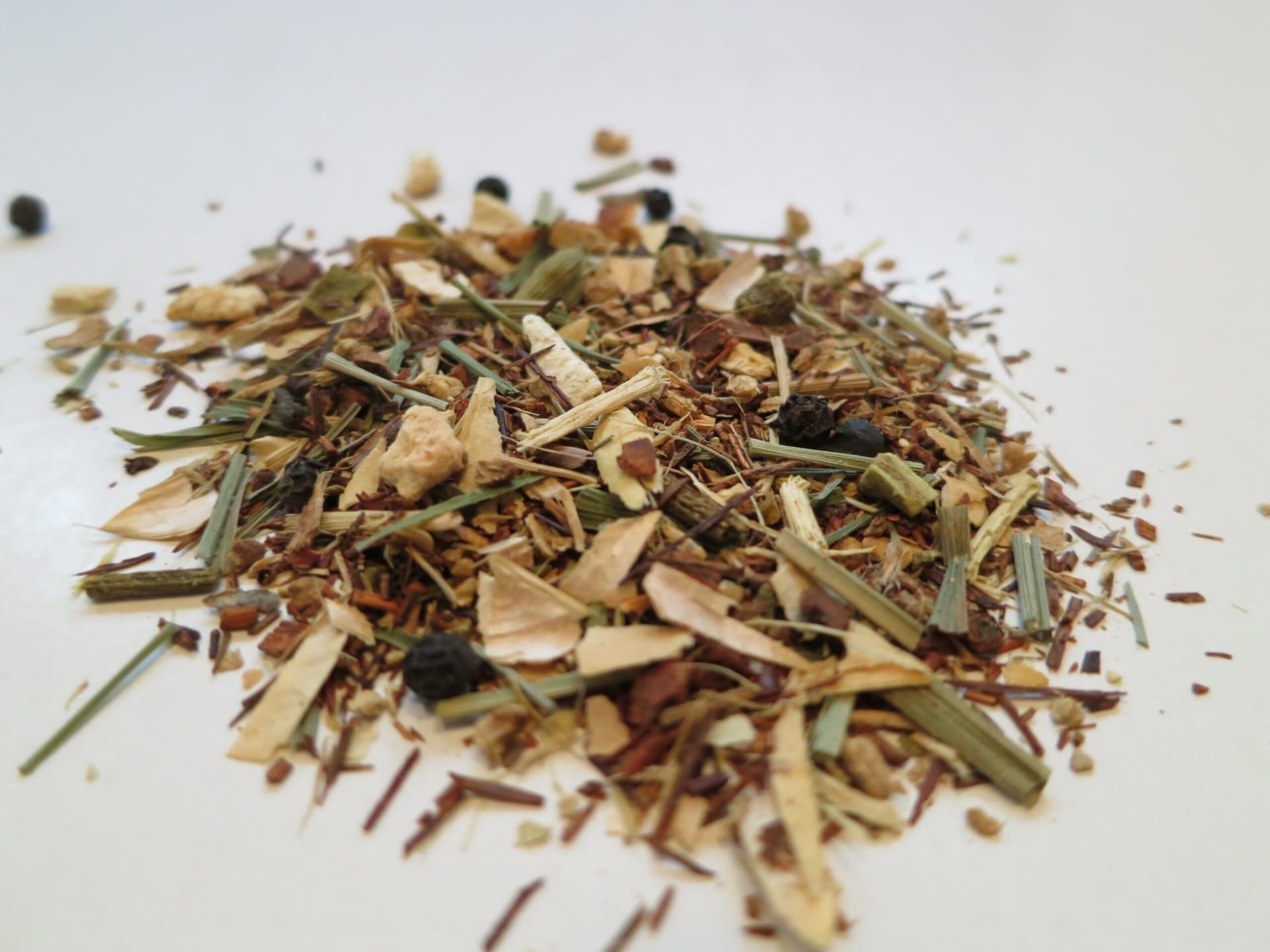
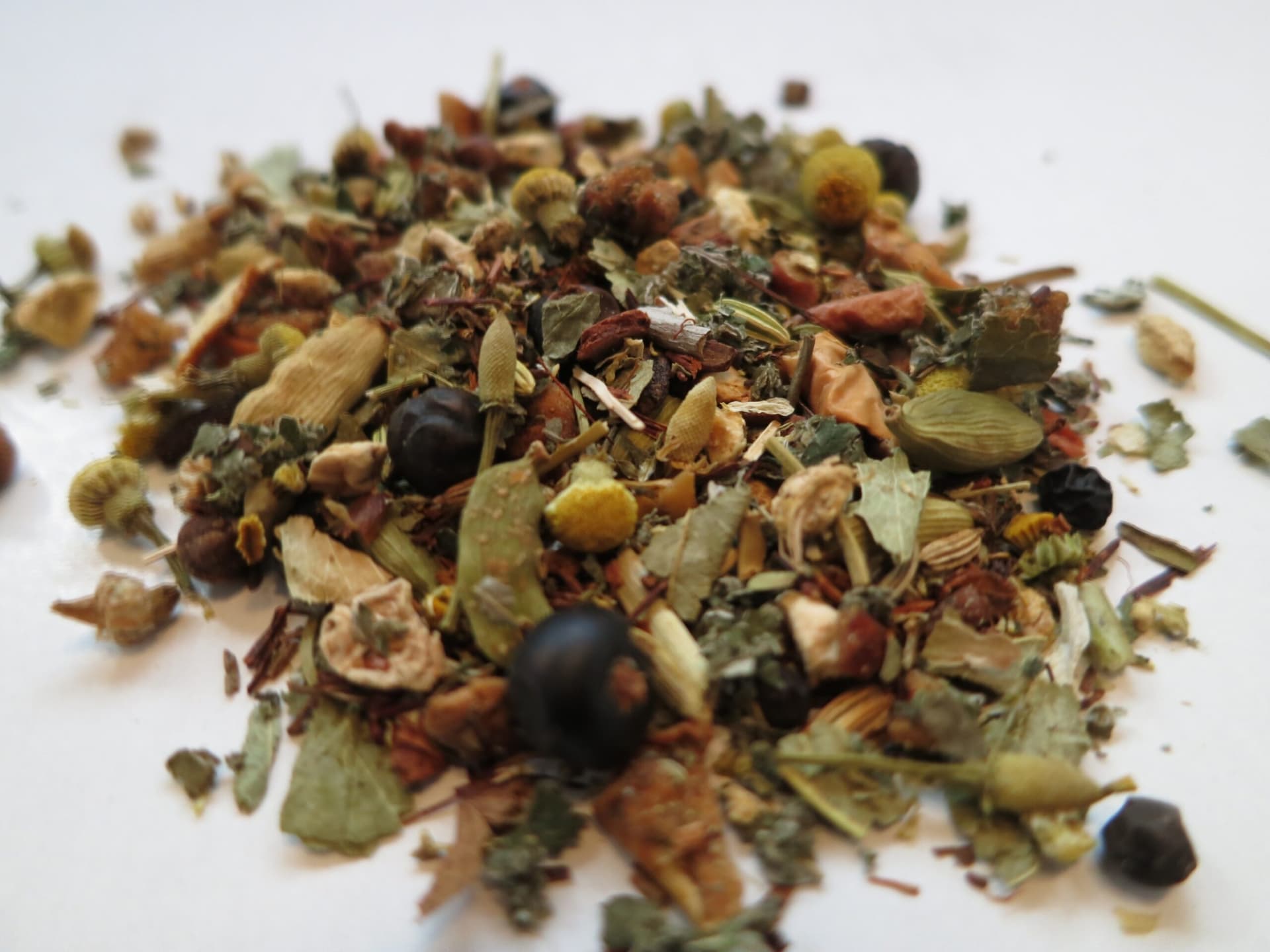
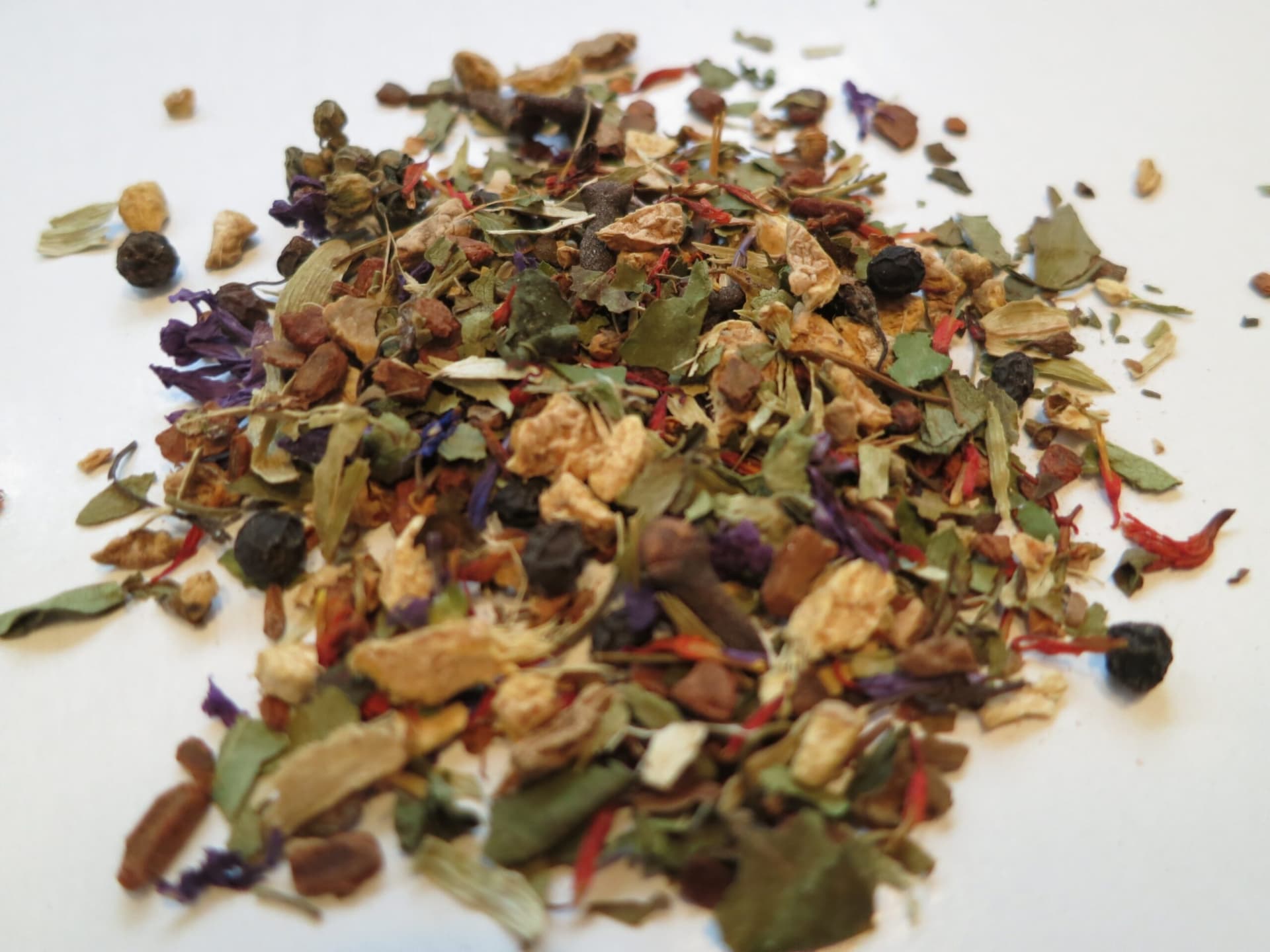
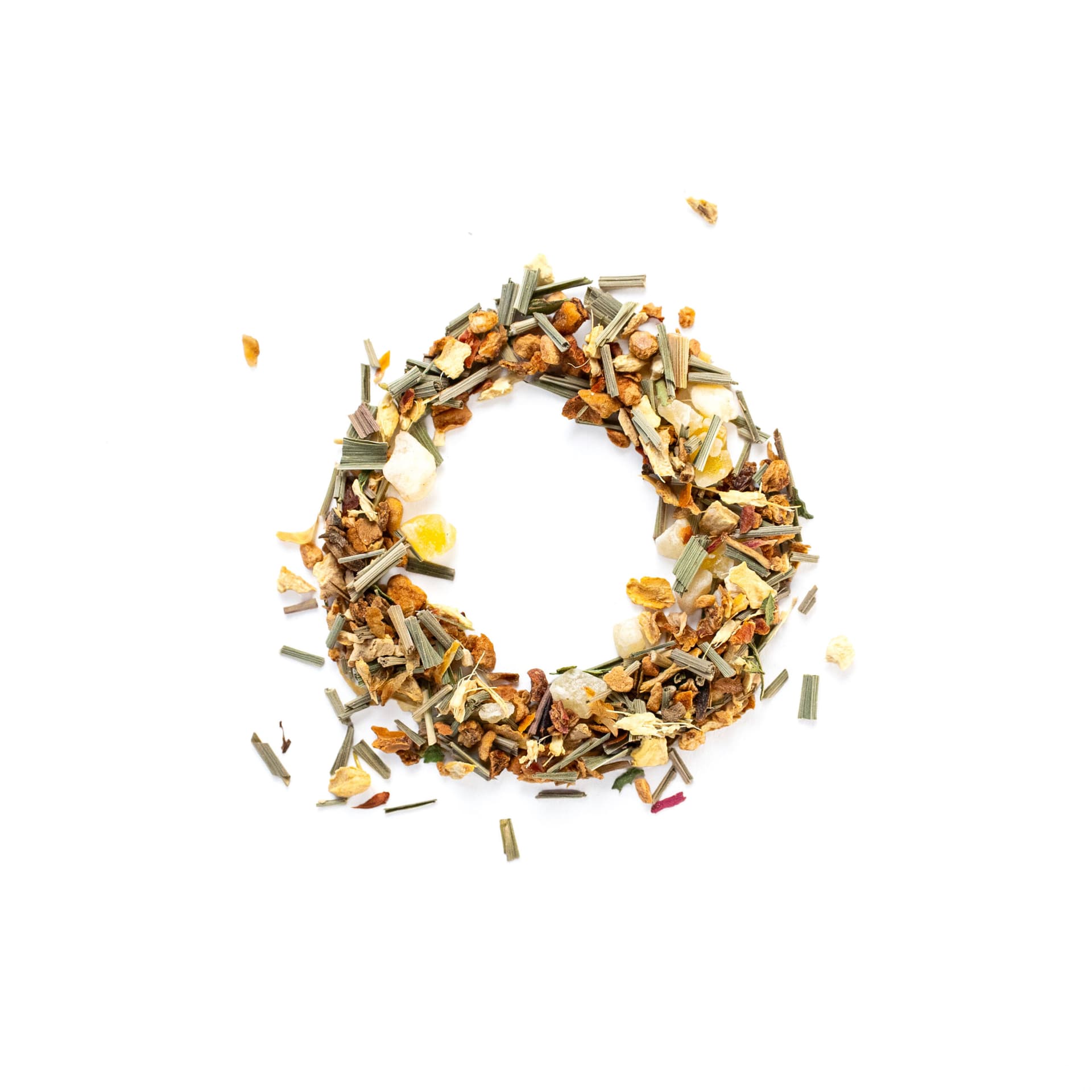
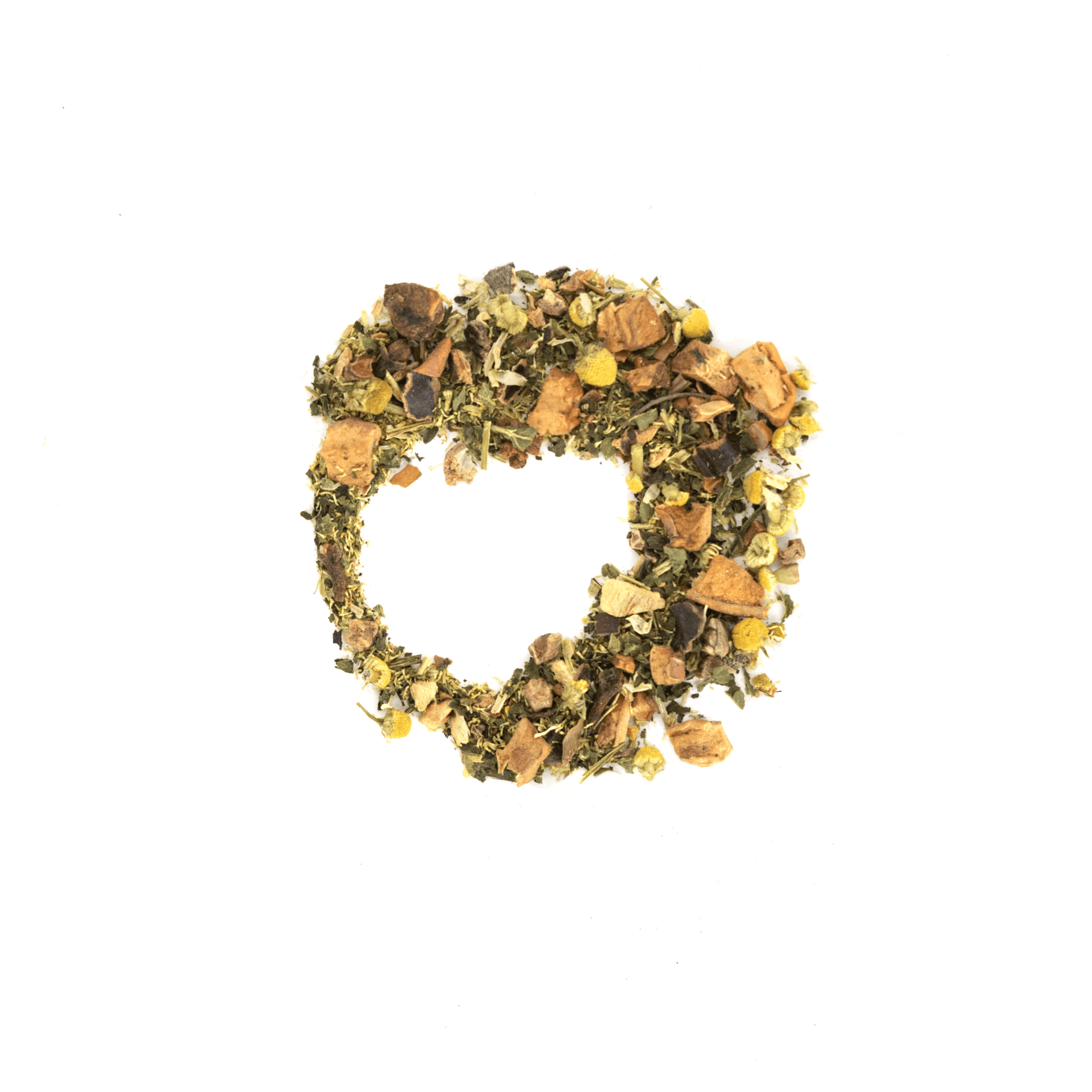
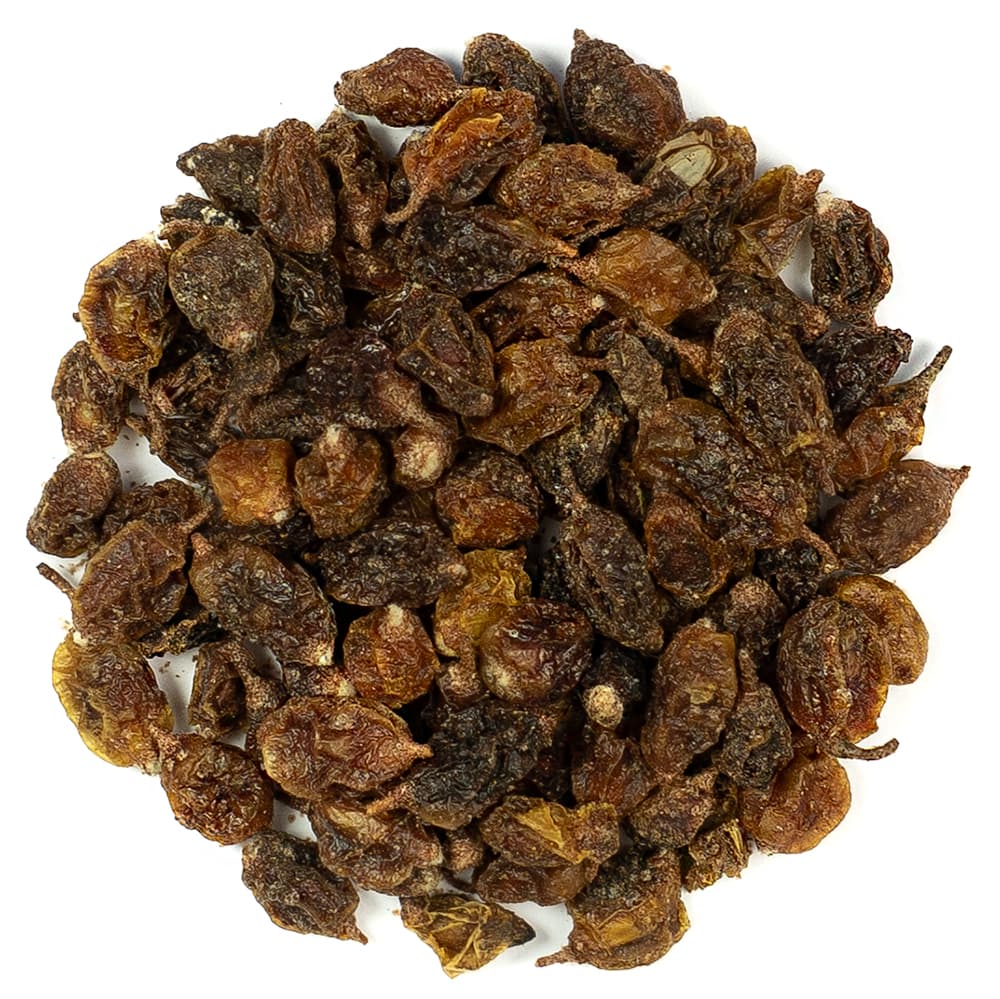
A cup of Turkish apple tea is really a fruit infusion built around dried apple, brewed the way Turkish tea traditionally is: simmered rather than steeped, with sugar and warming spices worked into the pot. Cinnamon, cloves and cardamom are the usual additions, sometimes with a touch of lemon or rosewater, and the result is sweet and fruity with a spiced undertone that lingers. Some blends fold in pineapple cubes alongside the apple for extra brightness, and ascorbic and citric acid are often included to sharpen the flavour and keep it tasting fresh. It carries no caffeine, so it works as an evening cup as well as a morning one, and it has long been drunk in Turkey, the Middle East and Central Asia as a warming winter drink, though it holds up cold in summer too.
The tea's roots are in Turkish tea culture more broadly, where offering a cup is a basic gesture of hospitality and turning one down is considered impolite. It is traditionally served in small glasses, which let the colour show through and help the tea stay warm longer. Etiquette aside, it is a genuinely versatile pour: baklava's nuttiness suits it well, as does Turkish delight, and a squeeze of lemon or a pinch of extra spice can be added to taste at the table.
To brew it, simmer black tea with sugar, spices and apple slices in water rather than a quick infusion, which is what produces the concentrated, syrupy character typical of the style. A rough guide is a teaspoon of tea per person plus one for the pot, given around 7 to 8 minutes to release the flavour — long enough to draw out the fruit and spice, but any longer and it turns bitter. Serve hot in the colder months, or chill and pour over ice in summer. Once opened, it keeps best stored airtight in a cool, dark place, away from moisture, and is at its most flavourful used within a year.