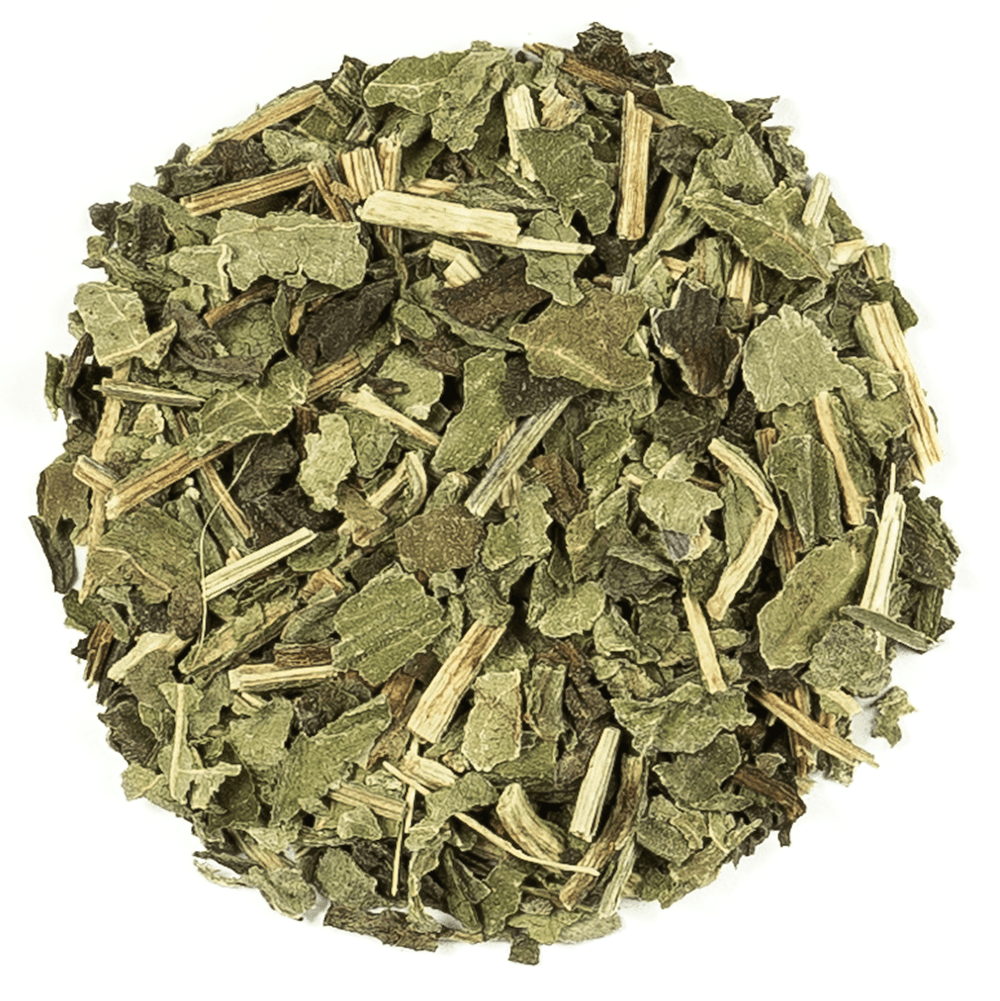
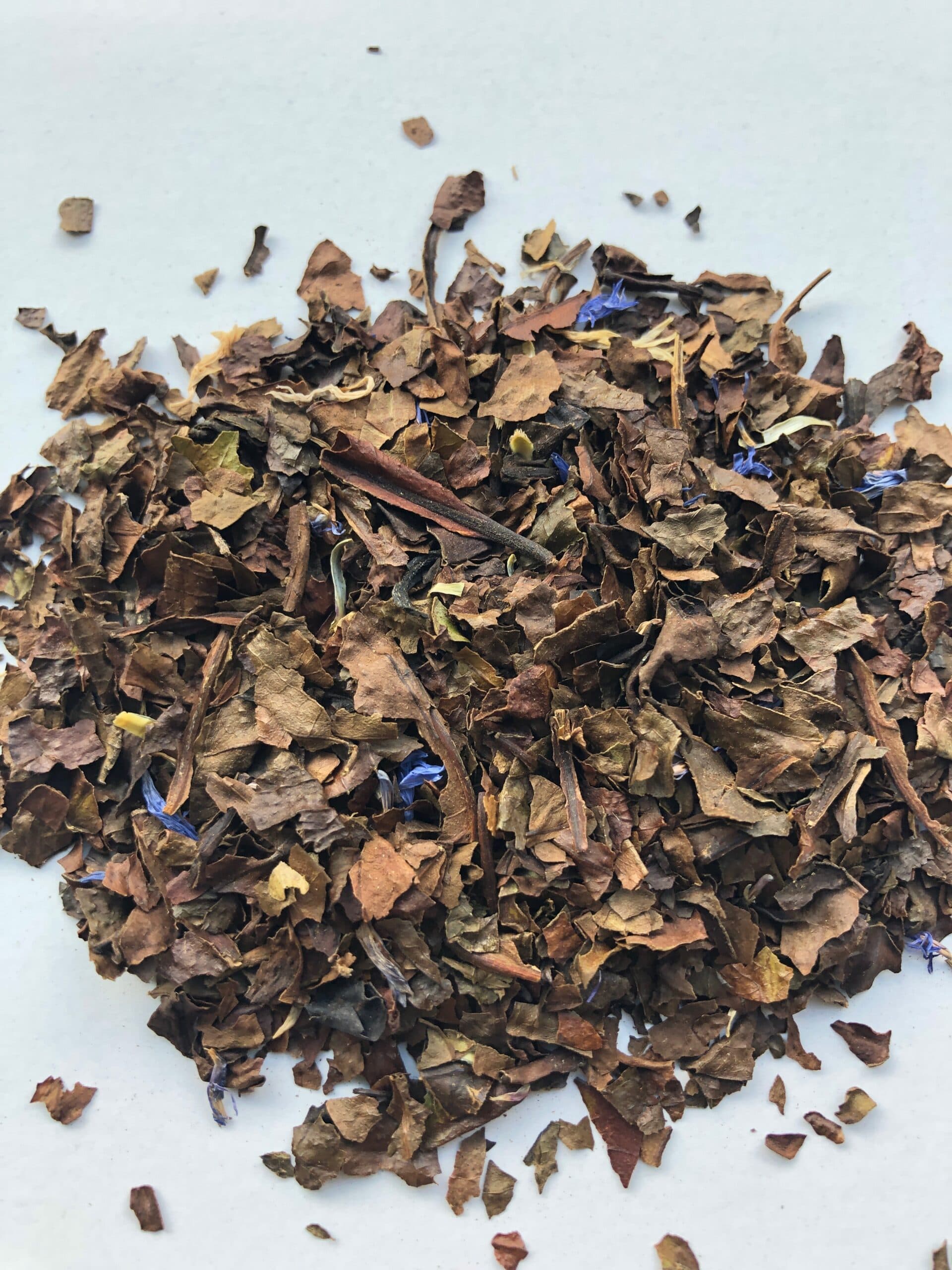
Yerba mate comes from the dried, hollow-holly leaves of Ilex paraguariensis, a tree native to the subtropical highlands of Brazil, Paraguay, Uruguay and Argentina, where it grows wild in humid, fertile ground. Left alone it can reach 15 metres, but for harvesting it's kept pruned low, and the leaves are still hand-picked by workers known as tareferos. What follows is a two-stage drying process: a fast pass under direct heat called sapecado, then a slower drying to bring the moisture down further, followed by ageing to build up the flavour before the leaves are ready to steep.
The cup itself sits in its own category, somewhere between tea and coffee. Expect an earthy, slightly bitter base with herbal, smoky undertones, and depending on origin and preparation you may pick out pepper, hay, lemon, honey, grain or roasted, vegetal notes alongside the smoke. It's a robust flavour rather than a delicate one, mellow enough to drink often once you're used to it.
Traditionally it's brewed in a gourd with a bombilla: a spoonful or two of leaves, tilted to one side, moistened first with a little cool water to protect the nutrients, then topped up with hot water (Teatico brews it around 85°C) to about three-quarters full, sipped slowly through the metal straw and topped up again as needed. Tea & Coffee notes it's traditionally passed communally from person to person, though it's just as easily drunk alone, plain or with honey or a twist of lemon.
A cup contains around 75 mg of caffeine, less than coffee but more than most teas, and the source describes the lift as smooth and sustained rather than a sharp spike and crash. It has long been drunk to support digestion, ward off fatigue and sharpen mental clarity, and in South America it carries a social dimension, traditionally shared in company. As with any caffeinated drink, it's worth keeping to moderate amounts, and anyone pregnant, nursing or managing a medical condition should check with a doctor first.